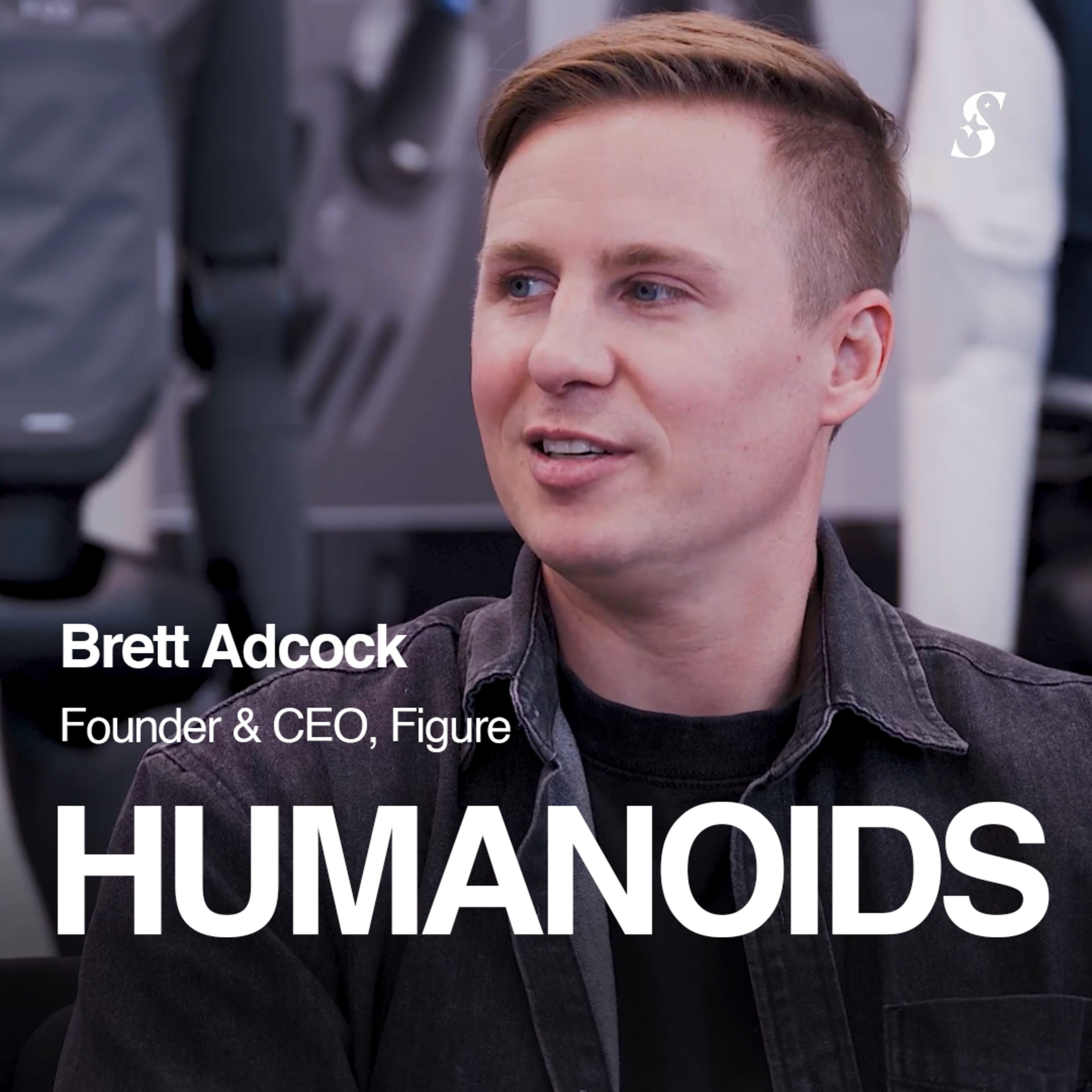
Despite OpenAI leading Figure's Series B, Adcock terminated their AI model collaboration. His specialized internal robotics AI team was 'running circles around' the generalist OpenAI team, proving more effective at training and testing models for their specific hardware and use case.
Figure designs nearly every component of its robots in-house, from motors to batteries. This extreme vertical integration, though costly upfront, prevents being at the mercy of third-party vendor timelines, code problems, or supply chain issues, enabling faster iteration and deeper system control.
For his school safety startup, Cover, Brett Adcock didn't just license its core weapons-detection technology from NASA's Jet Propulsion Lab—he purchased the IP outright. This move secured a powerful, foundational technology moat from day one and helped him recruit the original NASA team that developed it.
CEO Brett Adcock states Figure has 'overwhelming' commercial demand. The real constraint on growth is ensuring robots can operate reliably at human-level performance. They intentionally limit deployments to avoid a '1,000 robots, 1,000 problems' scenario, prioritizing AI and hardware reliability over rapid sales.
Adcock founded not only Figure but also Cover (weapons detection) and HARC (AI). His thesis for serial entrepreneurship is to intervene in critical sectors he feels are progressing too slowly or with flawed engineering decisions, believing his direct involvement is necessary to correct their trajectory and accelerate progress.
To run multiple deep-tech companies, Adcock made a radical decision five years ago to cut out all non-essential social activities, such as annual trips with friends. He dedicates his time strictly to his family and his companies, viewing this extreme focus as necessary for high performance.