Get your free personalized podcast brief
We scan new podcasts and send you the top 5 insights daily.
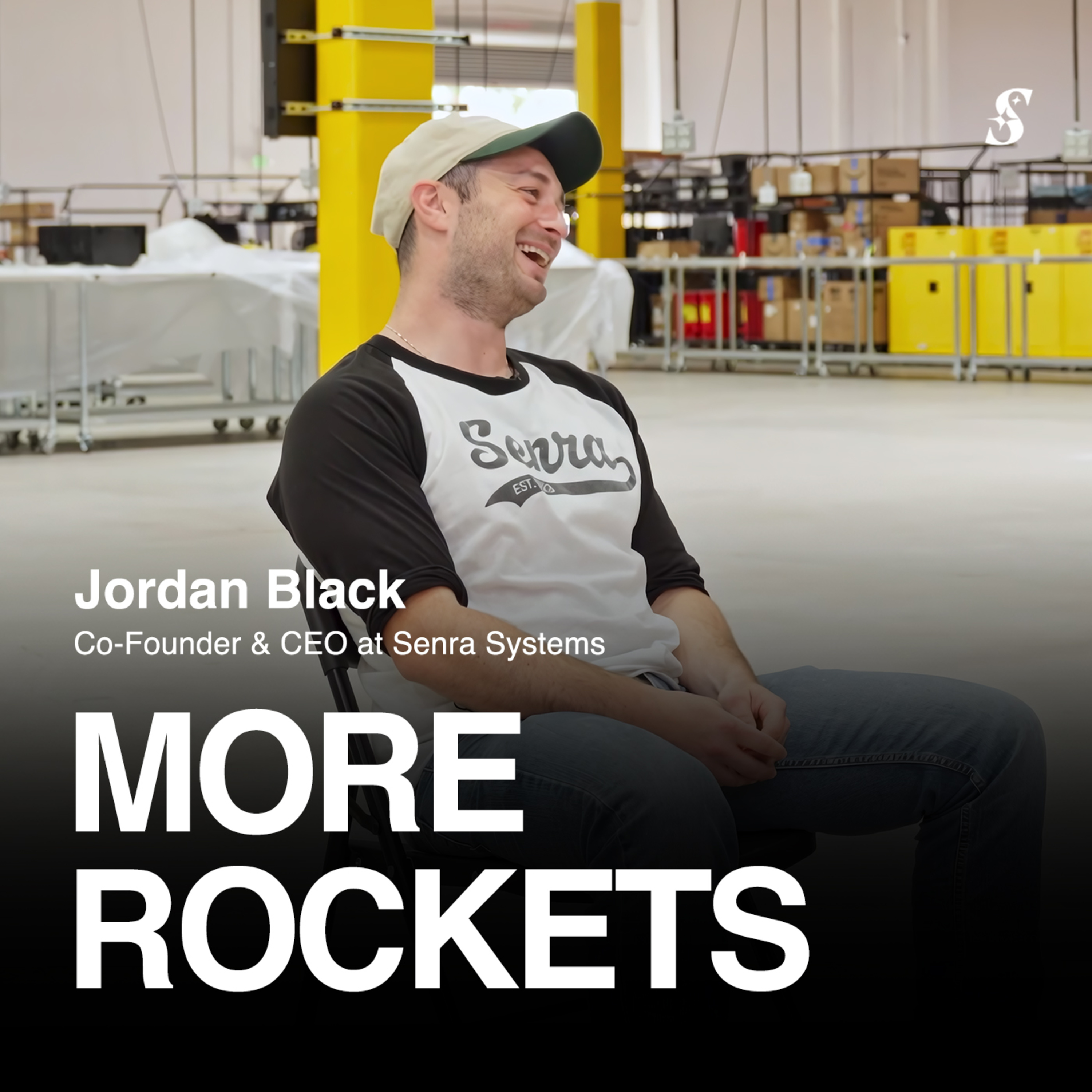
Companies like SpaceX built their own operating systems (like Warp Drive) because off-the-shelf solutions couldn't handle their complexity and speed. For Senra, this means building custom software and automation. Vertical integration is not a choice but a necessity when the external industrial base is a bottleneck to growth.
Related Insights
Major US tech-industrial companies like SpaceX are forced to vertically integrate not as a strategic choice, but out of necessity. This reveals a critical national infrastructure gap: the absence of a multi-tiered ecosystem of specialized component suppliers that thrives in places like China.

Beyond acquiring massive compute, Elon Musk's xAI is building its own natural gas power plant. This represents a deep vertical integration strategy to control the power supply—the ultimate bottleneck for AI infrastructure—gaining a significant operational advantage over competitors reliant on public grids.

Zipline initially tried buying off-the-shelf components, which proved expensive and unreliable, leading to constant crashes. This forced them, part by part, to design everything from scratch—motor controllers, GPS modules, etc.—to meet the specific reliability and cost requirements of their new hardware category.

Relying on a traditional supply chain means inheriting its slow pace, costs, and outdated technology. By bringing core manufacturing in-house, Tesla controls its innovation speed, allowing it to move much faster and develop more integrated products than its competitors.

SpaceX's iconic vertical integration wasn't an initial strategic choice but a reaction to crisis. An early plan to outsource manufacturing was shattered when their fastest vendor abruptly closed. This forced them to insource talent and machinery out of necessity, creating the model they are known for today.

Planet Labs had to build most of its satellite components, like custom radios and telescopes, in-house because a robust supplier ecosystem didn't exist when they started. This contrasts with today's space startups that can leverage a mature market of specialized third-party vendors.

For zero-to-one technologies like humanoid robotics, relying on a supply chain is too slow. ONE X develops everything in-house, from new materials to foundation AI models. This enables rapid, cross-disciplinary iteration, as key discoveries happen at the intersection of hardware, software, and materials science.
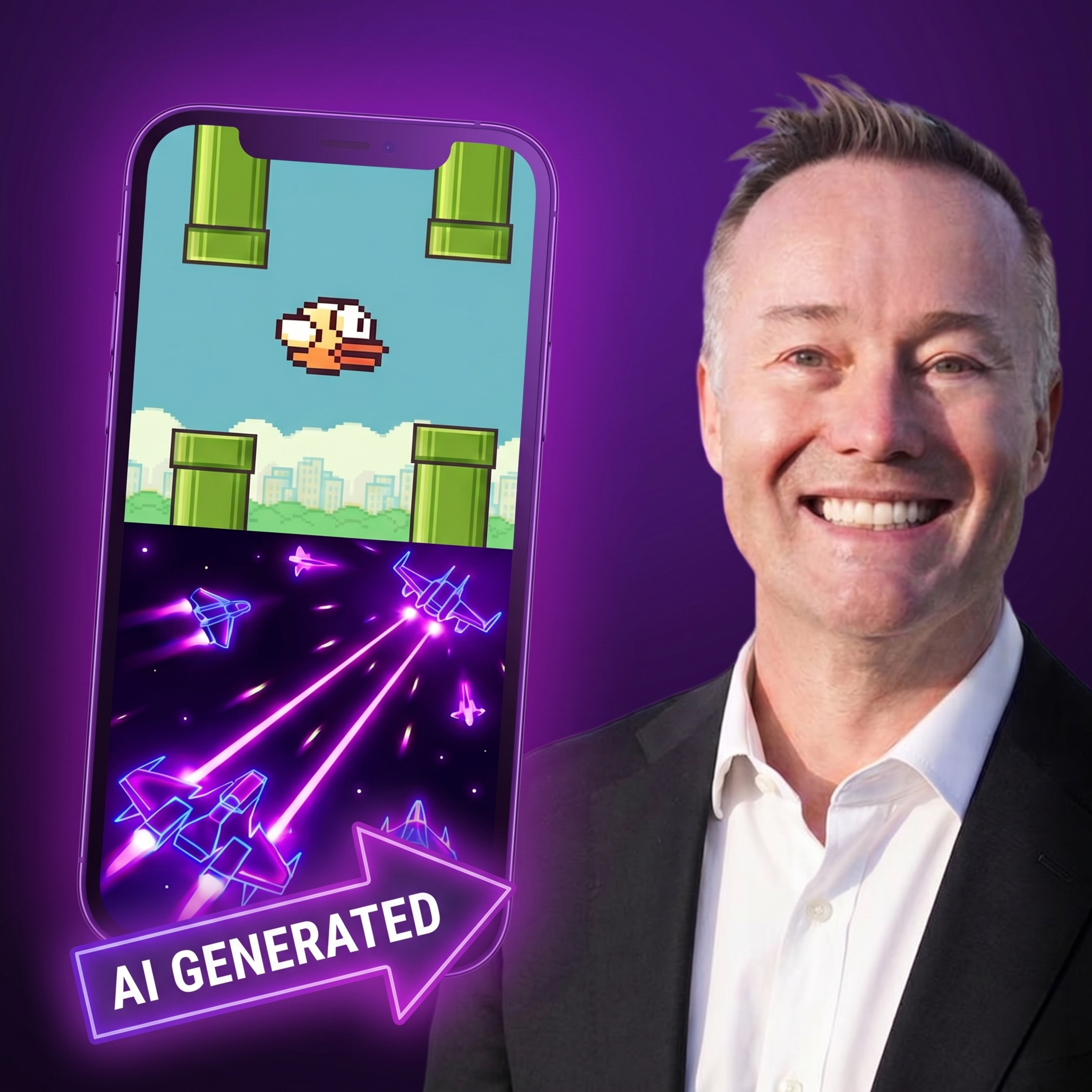
Zipline had to build its own components because the market only offered two extremes: cheap, unreliable consumer drone parts or prohibitively expensive military-grade systems. This "automotive grade" gap for reliable, cost-effective components forced them to vertically integrate to achieve their performance and cost goals.
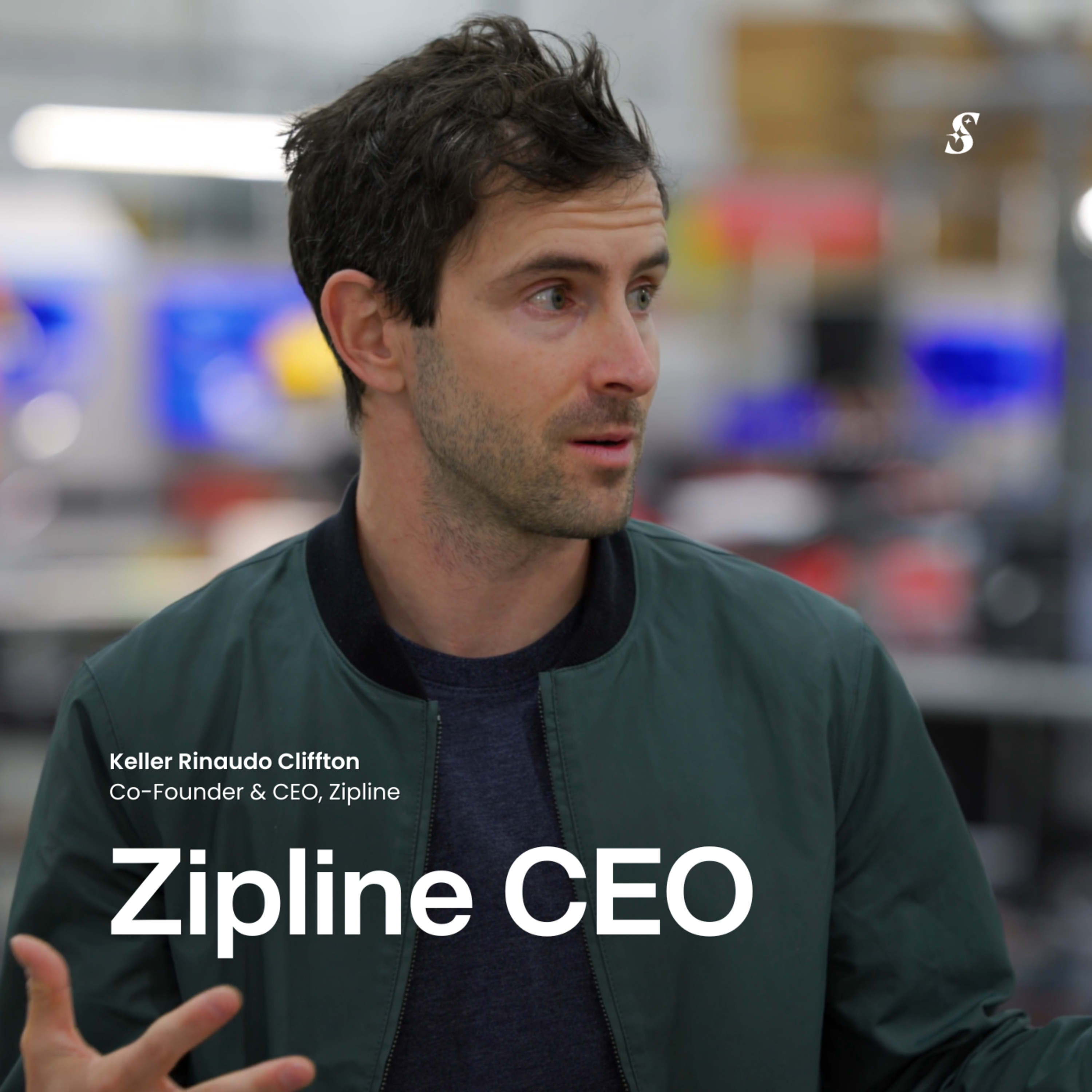
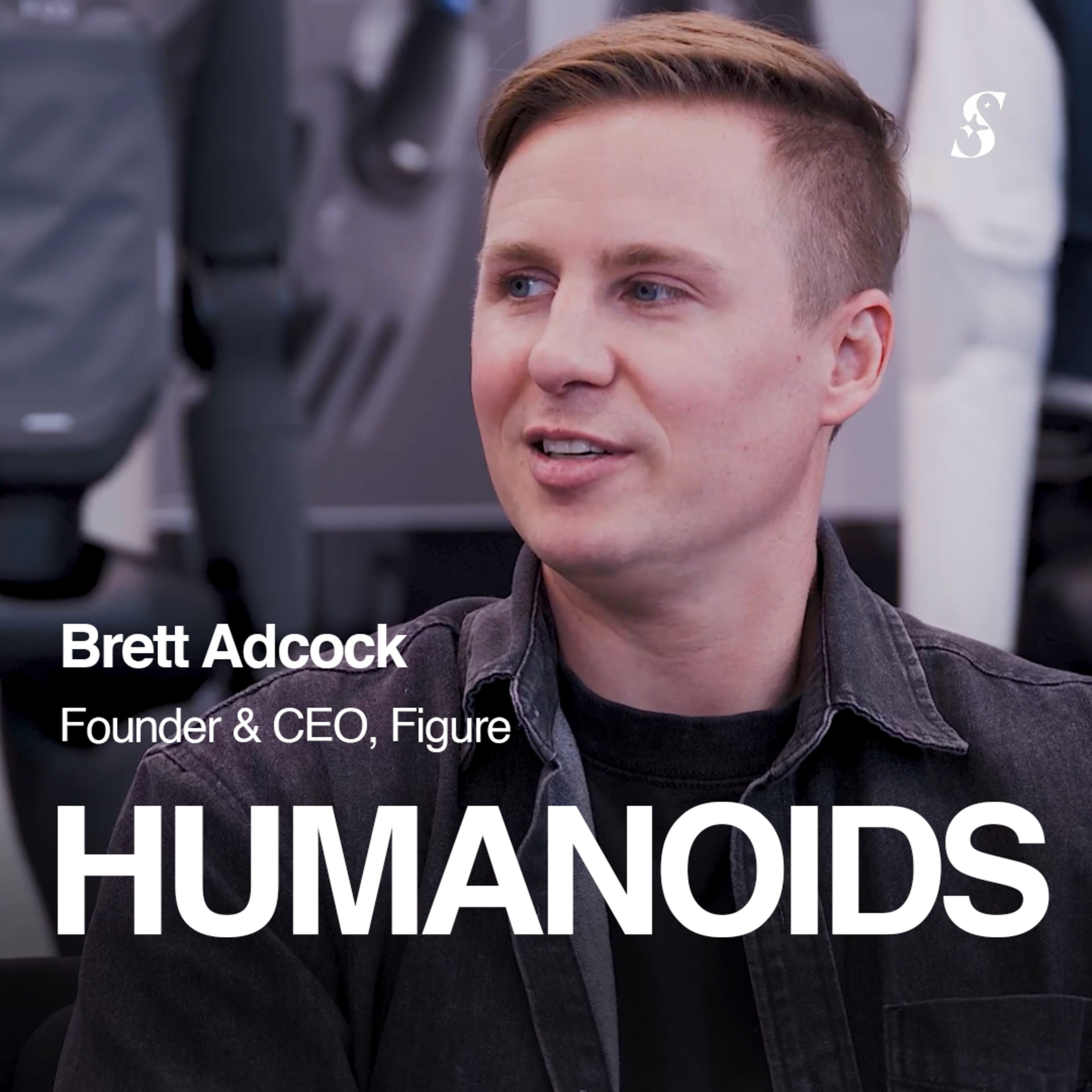
Figure designs nearly every component of its robots in-house, from motors to batteries. This extreme vertical integration, though costly upfront, prevents being at the mercy of third-party vendor timelines, code problems, or supply chain issues, enabling faster iteration and deeper system control.
For early-stage hard tech startups, the decision to vertically integrate isn't about margin improvement. It's a question of survival. You should only take on the immense risk and capital intensity of vertical integration if the company literally cannot exist without controlling that part of the supply chain or tech stack.