Get your free personalized podcast brief
We scan new podcasts and send you the top 5 insights daily.
By designing and owning critical components like motors, batteries, and software in-house, Pika delivers a simple, integrated user experience for its complex drones, a strategy used by companies like Apple and Tesla.
Related Insights
Instead of waiting for a formal requirements document, Pika developed its Dropship drone based on direct, actionable feedback from military users (Air Force, Army) on a prior model, accelerating the design cycle.
Relying on a traditional supply chain means inheriting its slow pace, costs, and outdated technology. By bringing core manufacturing in-house, Tesla controls its innovation speed, allowing it to move much faster and develop more integrated products than its competitors.

Drone company Pika stresses that going from an initial working prototype to a commercially viable product that customers can rely on for daily, intensive operations constitutes 99% of the development effort.
Apple crushed competitors by creating its M-series chips, which delivered superior performance through tight integration with its software. Tesla is following this playbook by designing its own AI chips, enabling a cohesive and hyper-efficient system for its cars and robots.

While first-wave defense tech leaders like Anduril pursue a vertically integrated "Apple" model (hardware and software), a new approach is emerging. Companies like Auterion are building a common, open operating system for drones from various manufacturers. This "Android for drones" strategy focuses on creating a wide, interoperable ecosystem rather than a closed, proprietary one.

Boom Supersonic accelerates development by manufacturing its own parts. This shrinks the iteration cycle for a component like a turbine blade from 6-9 months (via an external supplier) to just 24 hours. This rapid feedback loop liberates engineers from "analysis paralysis" and allows them to move faster.

While competitors focus on software, Square believes designing hardware "from the chip up" is a key advantage. This control allows for a superior, integrated experience for both customers and staff at the physical counter, making the technology feel seamless and delightful.

For zero-to-one technologies like humanoid robotics, relying on a supply chain is too slow. ONE X develops everything in-house, from new materials to foundation AI models. This enables rapid, cross-disciplinary iteration, as key discoveries happen at the intersection of hardware, software, and materials science.
Zipline had to build its own components because the market only offered two extremes: cheap, unreliable consumer drone parts or prohibitively expensive military-grade systems. This "automotive grade" gap for reliable, cost-effective components forced them to vertically integrate to achieve their performance and cost goals.
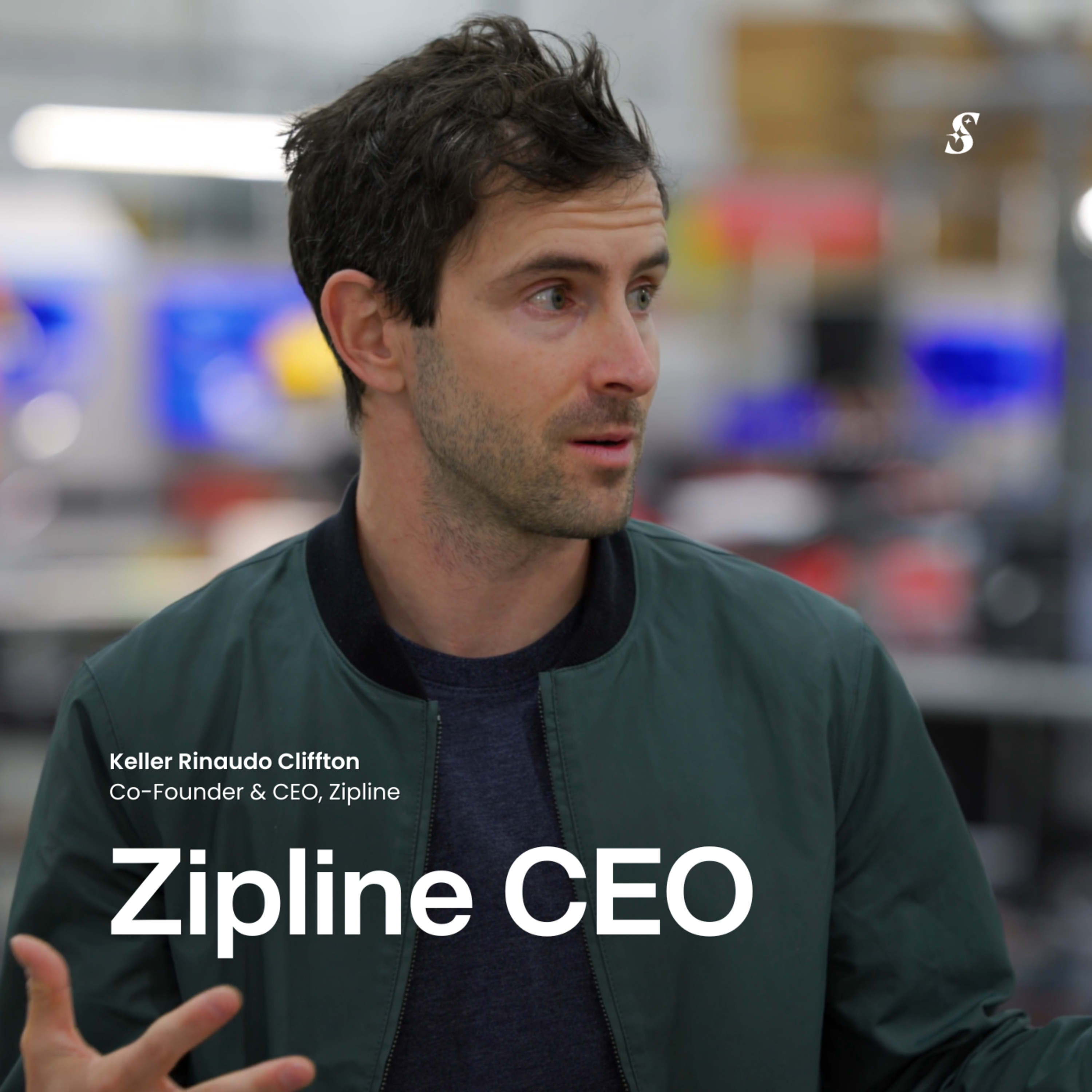
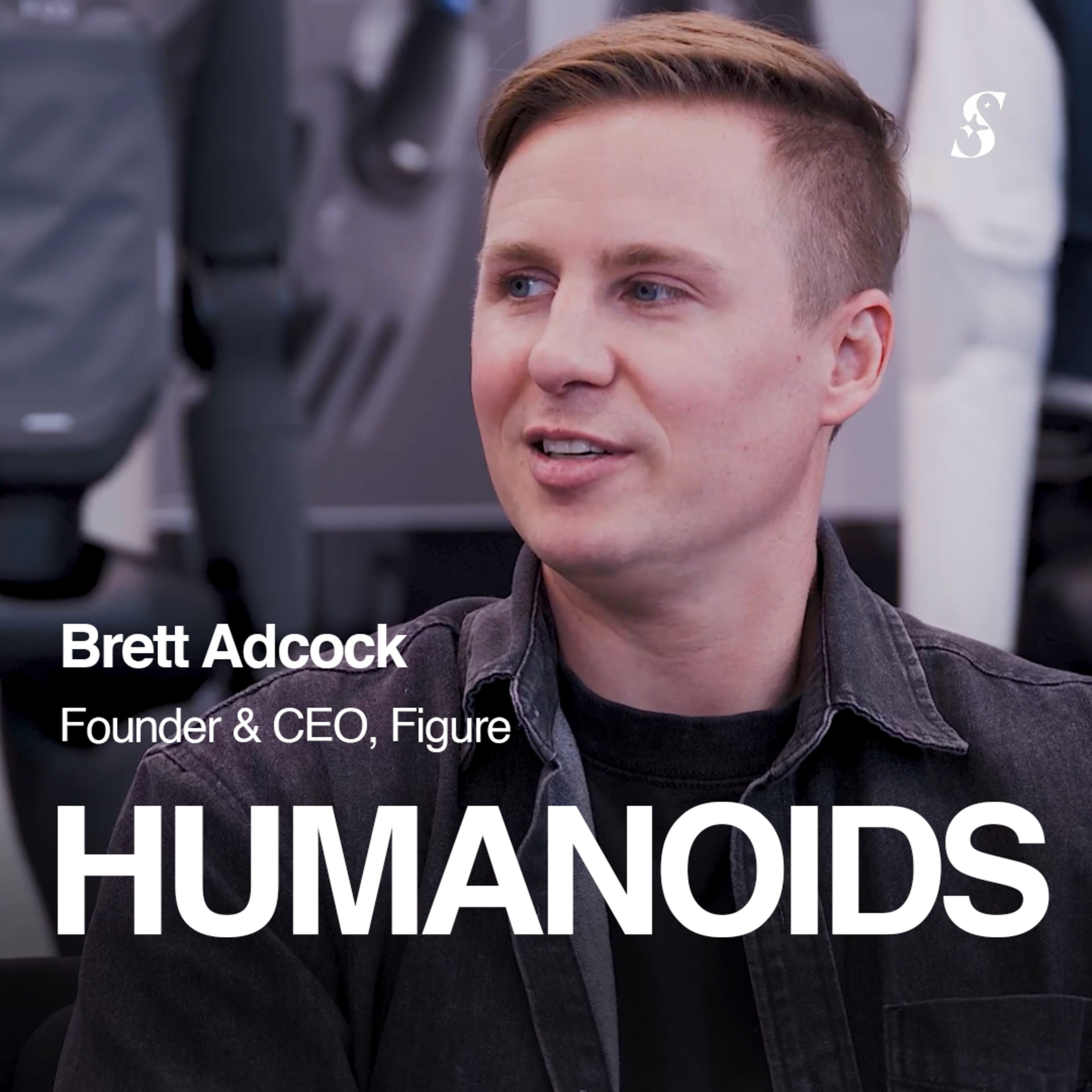
Figure designs nearly every component of its robots in-house, from motors to batteries. This extreme vertical integration, though costly upfront, prevents being at the mercy of third-party vendor timelines, code problems, or supply chain issues, enabling faster iteration and deeper system control.