Get your free personalized podcast brief
We scan new podcasts and send you the top 5 insights daily.
A writer learned to handle editorial feedback by thinking of it as "weather"—an unavoidable, impersonal part of the creative process. This perspective shift neutralizes the emotional reaction and allows one to focus on navigating the feedback constructively.

Related Insights
A three-step structure for feedback: state a neutral observation ("What"), explain its impact ("So What"), and suggest a collaborative next step ("Now What"). This focuses on the work, not the person, making the feedback more likely to be received well and acted upon.
When receiving harsh feedback, avoid a defensive posture by mentally reframing the interaction. Instead of seeing it as a personal attack across a table, visualize both of you on the same side, collaborating on a problem written on a whiteboard. This shifts the focus to the idea, not the person.

Fear of negative feedback prevents many professionals from posting content. Reframe this fear by understanding the psychology of trolls. People who leave hateful comments are often in pain themselves, and lashing out is their way of seeking temporary relief. Their comments are a reflection of them, not you.

When feeling attacked, zoom out. Affirming core values, considering the issue from a future perspective, or imagining a wise role model's response creates psychological distance. This detaches your self-worth from the specific criticism, allowing you to engage with it more openly.
The "99% Invisible" team uses shorthand phrases like "CWGHF" (Can We Get Here Faster?). This coded language transforms potentially harsh criticism into a shared, objective problem to solve, depersonalizing feedback and protecting creative morale during intense group edits.

Reframe negative comments as a reflection of the commenter's own unhappiness, not a valid critique of your work. People who take time to spread negativity are in a sad place. Letting their misery stop you from building your business is a choice rooted in your own insecurity, not a rational response to feedback.
Learn to emotionally detach from the delivery of feedback. A hockey coach's screaming taught Steve Munn to filter out anger to focus on the core message. This skill is directly applicable to handling difficult prospects or clients without reacting emotionally and taking criticism personally.

Overcome the fear of negative feedback by reframing it. A person leaving a hateful comment is likely deeply unhappy. Instead of feeling attacked, feel pity for their state of mind. This psychological shift neutralizes the comment's emotional power over you.
People are more willing to accept and incorporate feedback about traits they see as secondary, like being "well-spoken" or "witty." Tying feedback to core identity traits, such as kindness or integrity, is more likely to be perceived as a threat and trigger a defensive response.
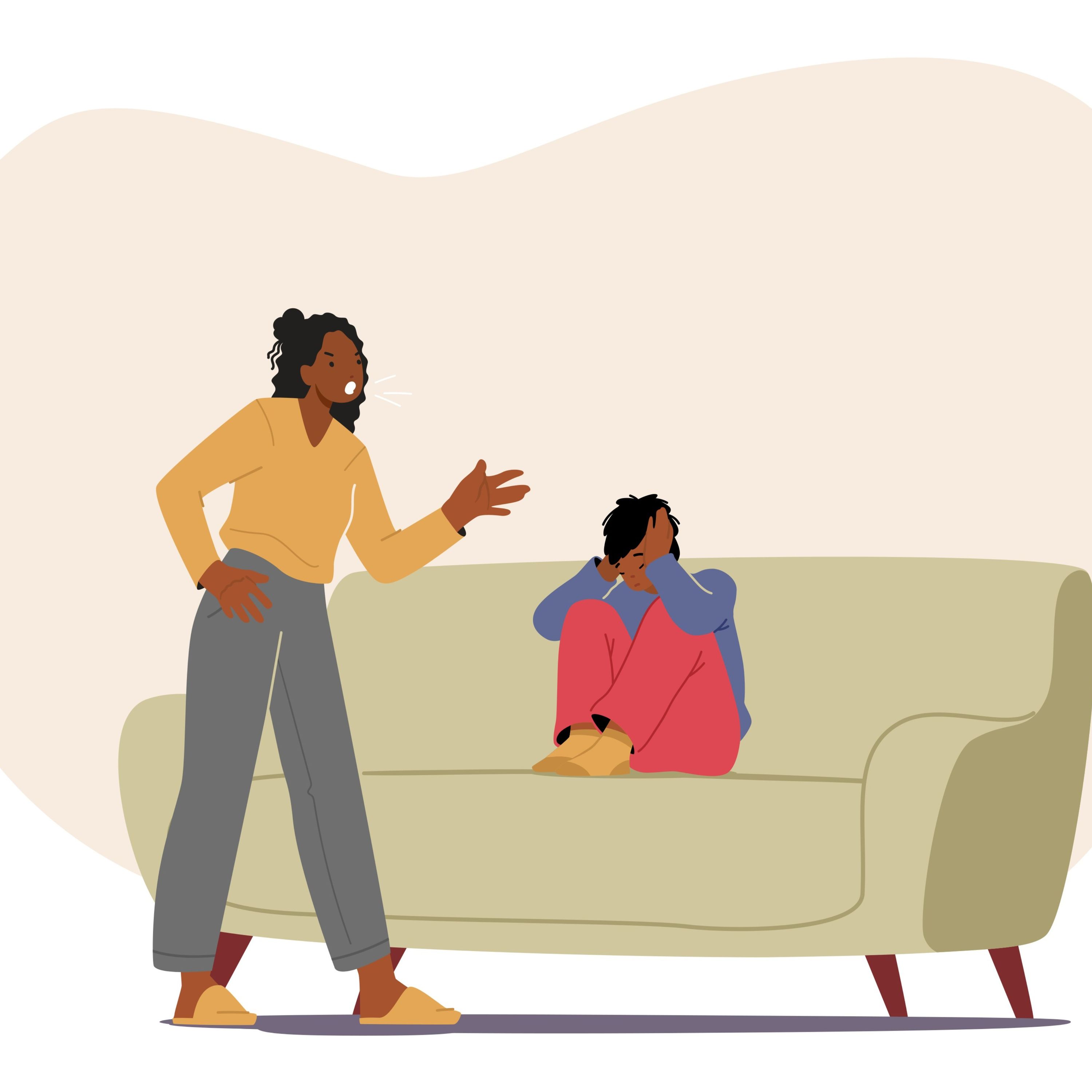
The brain processes stories and direct facts differently. Stories activate regions associated with empathy and understanding other people's minds, allowing listeners to absorb a critical message or lesson without feeling personally attacked and becoming defensive.