Get your free personalized podcast brief
We scan new podcasts and send you the top 5 insights daily.
Fear of negative feedback prevents many professionals from posting content. Reframe this fear by understanding the psychology of trolls. People who leave hateful comments are often in pain themselves, and lashing out is their way of seeking temporary relief. Their comments are a reflection of them, not you.

Related Insights
The primary barrier to starting content creation is not a lack of money, equipment, or ideas; it's deep-seated insecurity and the fear of judgment from one's social circle. People use practical excuses to mask their fear of being perceived differently. Overcoming this internal, emotional hurdle is the first and most critical step to finding your voice online.
To handle constant rejection, mentalist Oz Perlman created a separate professional persona. When a trick was rejected, it was "Oz the magician" who failed, not Oz Perlman the person. This emotional distancing prevents personalizing failure and builds resilience, a crucial skill for any public-facing role.

A person can be incredibly candid in public content but deeply fear one-on-one confrontation. This paradox often stems from past negative experiences with candor. Overcoming this requires reframing it as an act of kindness ('kind candor') to separate the tool from its past negative deployment.
Values affirmation—actively thinking about what truly matters to you (family, creativity, etc.)—broadens your sense of self. This psychological buffer makes specific criticism feel less like an all-encompassing attack on your identity, thus reducing defensiveness and improving openness to the message.
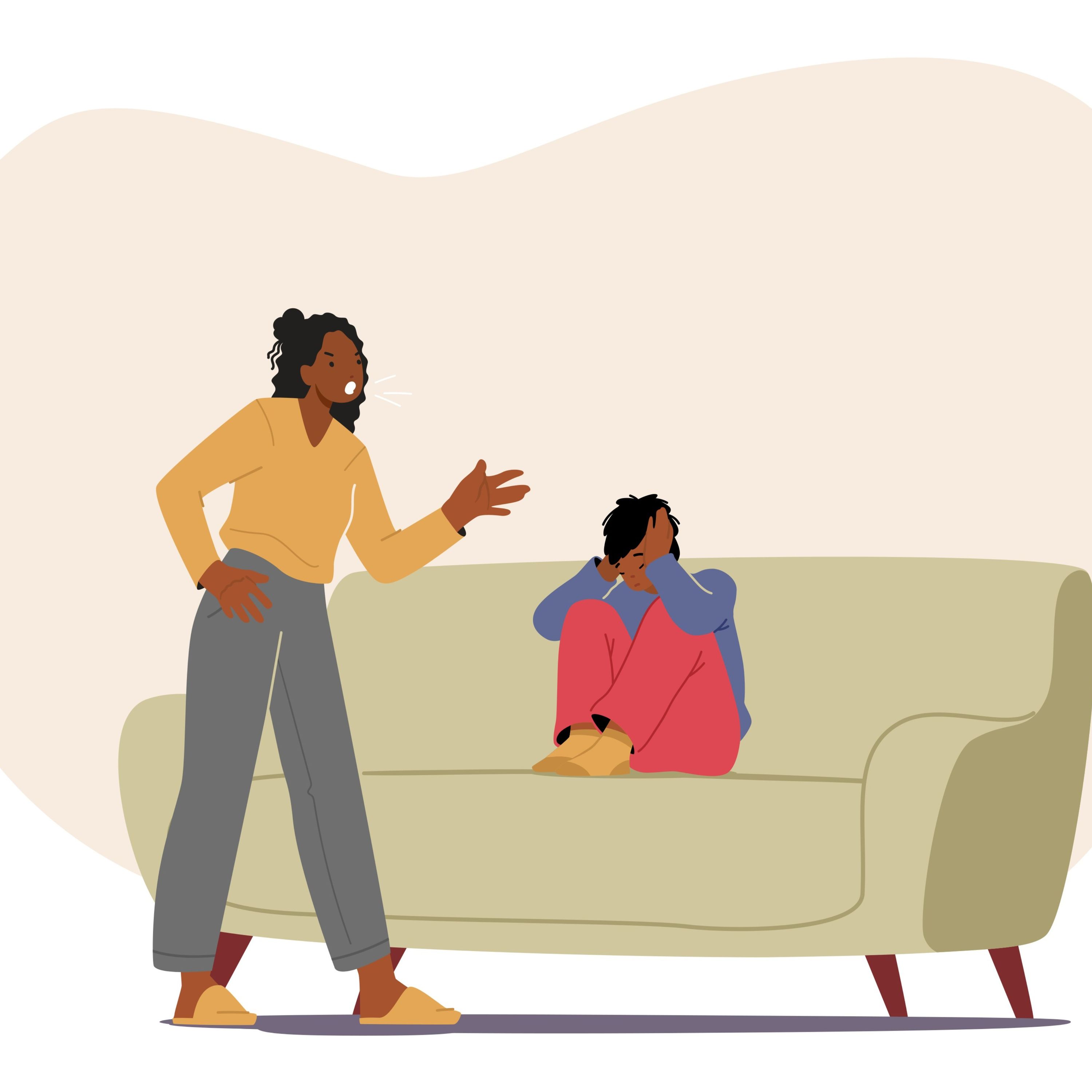
Instead of trying to find the perfect words, preface difficult feedback by stating your own nervousness. Saying, "I'm nervous to share this because I value our relationship," humanizes the interaction, disarms defensiveness, and makes the other person more receptive to the message.

Don't just develop thicker skin to deal with online negativity; develop compassion. The act of leaving hateful comments comes from a place of deep unhappiness. By feeling genuine sympathy for the commenter's state, you neutralize their power and protect your own emotional well-being, allowing you to continue creating.
People are more willing to accept and incorporate feedback about traits they see as secondary, like being "well-spoken" or "witty." Tying feedback to core identity traits, such as kindness or integrity, is more likely to be perceived as a threat and trigger a defensive response.
The impulse to harshly judge yourself before others can is a defense mechanism rooted in past pain. A more powerful, healed stance is to simply become unavailable for external criticism, effectively removing the "button" that others can push.

Entrepreneurs often believe their biggest fear is judgment from anonymous internet users. However, the real psychological barrier is the anticipated criticism or misunderstanding from their close friends and family. These are people who are unlikely to ever be customers, yet their opinions are given disproportionate weight.

A growing trend in psychology suggests relabeling emotions like anger as “unpleasant” rather than “negative.” This linguistic shift helps separate the aversive sensation from the emotion's potential long-term benefits or consequences, acknowledging that many difficult feelings have upsides.