Get your free personalized podcast brief
We scan new podcasts and send you the top 5 insights daily.
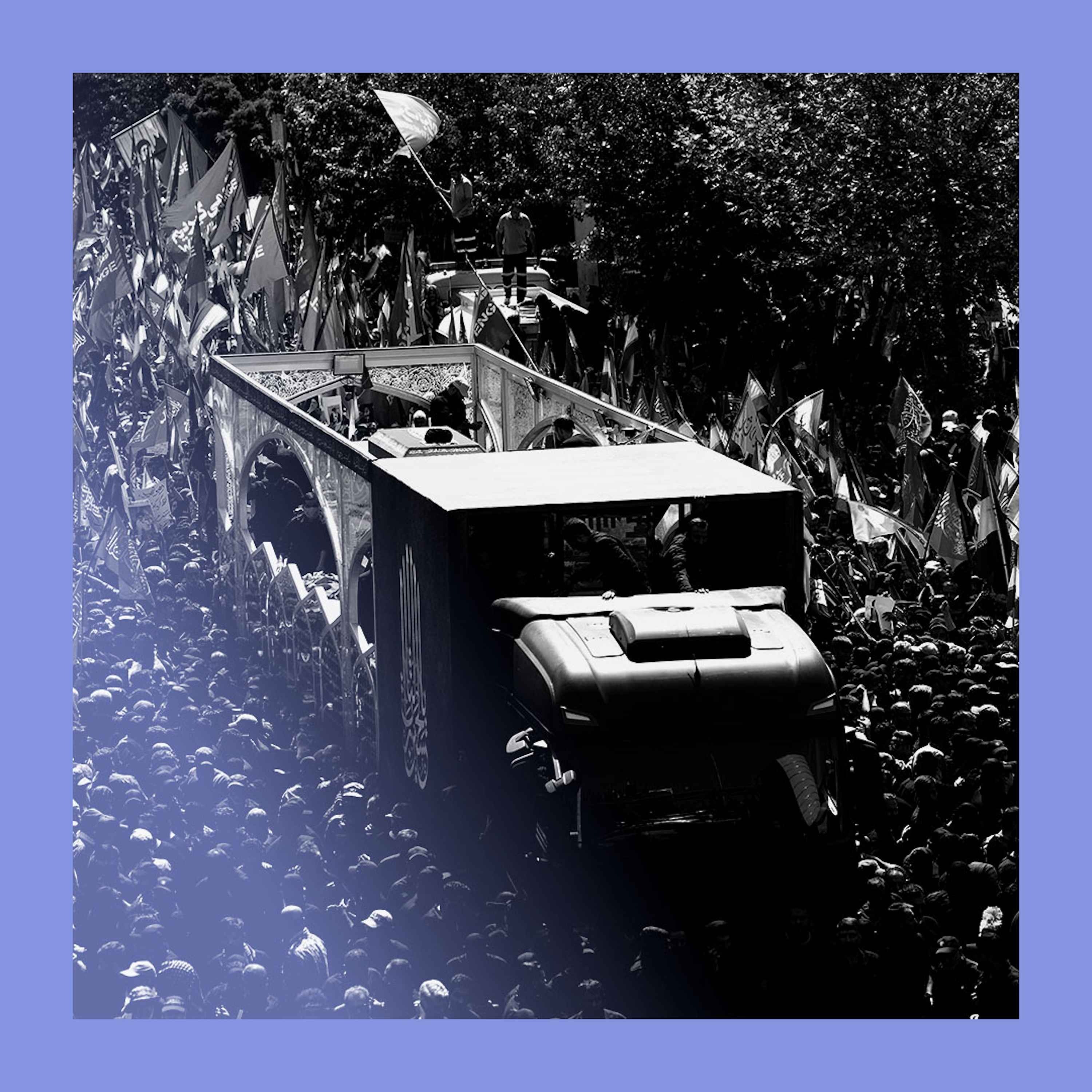
The new Supreme Leader, Mushtaba Khamenei, has been unseen since his appointment. His failure to lead his father's funeral prayers, a key religious duty, is raising significant questions within Iran about who is truly in charge, suggesting potential instability at the top of the regime.
Related Insights
Meaningful reform in Iran is unlikely until the succession of the 86-year-old Supreme Leader is resolved. Deep uncertainty over who will hold power paralyzes the political system, preventing any faction from making significant changes and forcing the country into a holding pattern until the leadership transition occurs.
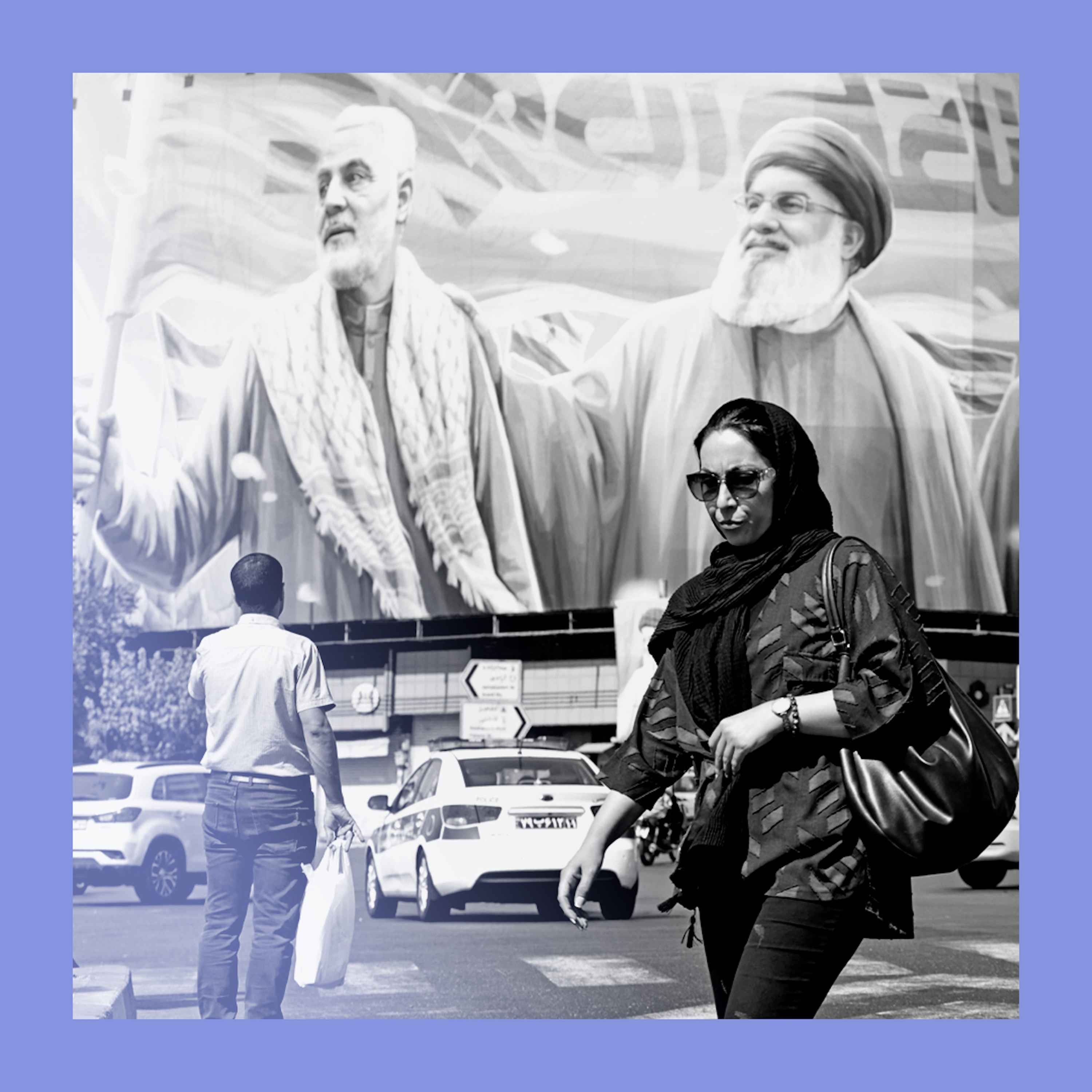
The IRGC increasingly wields the true power in Iran, while the Supreme Leader's role is becoming more symbolic. He serves as a "sacred totem" and a "lightning rod for criticism" but is ultimately a facilitator of IRGC influence rather than a check on its power.

Iran is at a critical inflection point as its aging and ill Supreme Leader, Ayatollah Khamenei, has no clear successor. The constitutional requirements for the role were tailored specifically for his predecessor, Khomeini. With no one in the wings who meets the criteria, the country faces significant instability upon his death.

The selection of Mojtaba Khamenei is meant to project stability. However, it's unpopular even among the regime's base, who view it as a return to the monarchy they overthrew in 1979, creating significant internal political risk.
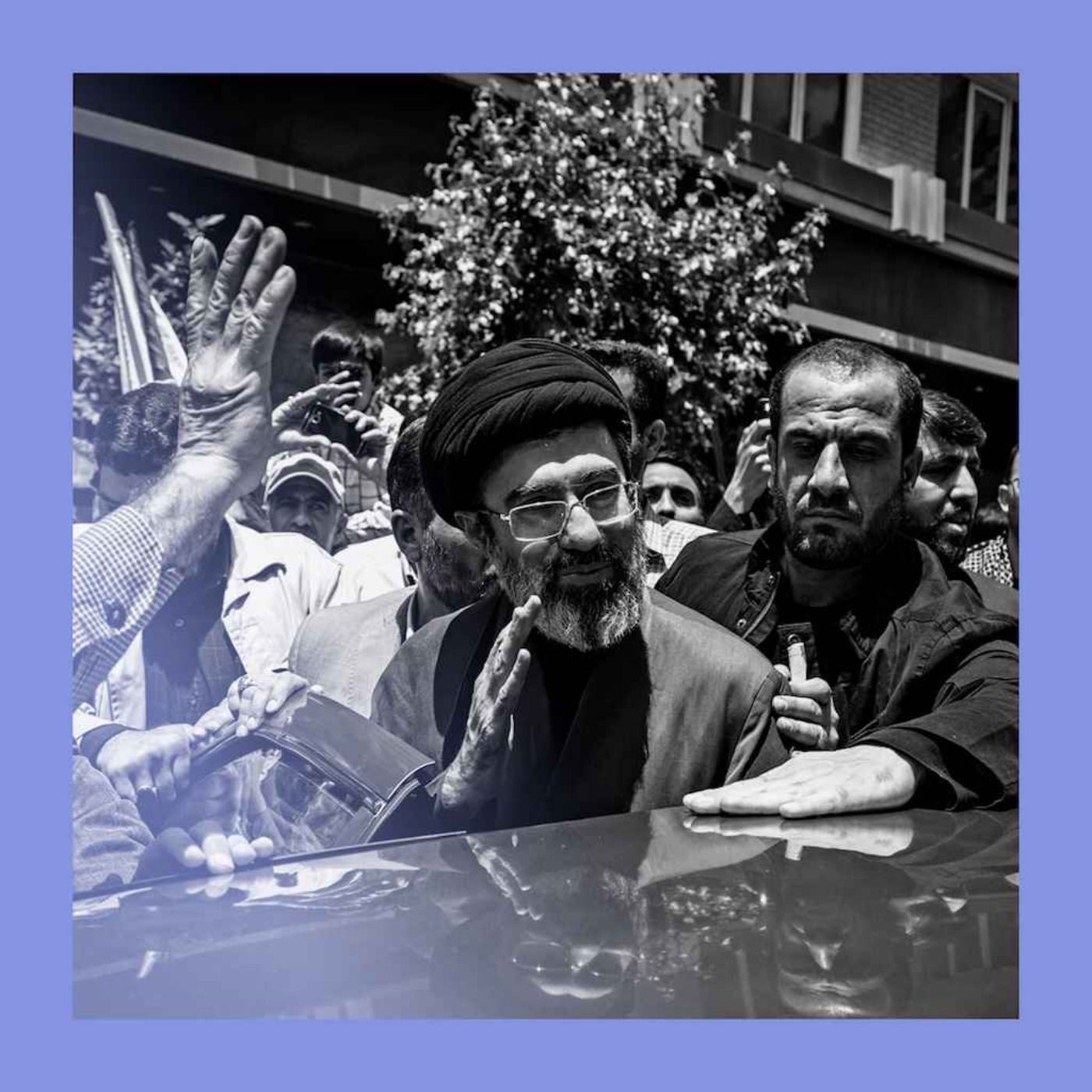
While the previous Supreme Leader's caution kept Iran from weaponizing, his death and the rise of a leader closer to the IRGC increases the likelihood of a push for a nuclear bomb. The new leadership is more risk-tolerant and convinced a nuclear deterrent is necessary for survival.
While Mojtaba Khamenei is now supreme leader, his actual control is questionable. Iran is navigating a wartime transition with leaders in hiding, allowing factions like the Revolutionary Guard to vie for influence and pull the strings, suggesting a period of fragmented authority.
The transition to Mojtaba Khamenei represents a generational shift, not just a succession. It is the beginning of a process where younger officials—who experienced the regime's rise but missed its rewards—are taking control. This "coup" is more of a gradual replacement than a sudden seizure of power.
The Islamic Revolutionary Guard Corps (IRGC), Iran's most powerful institution, is the true kingmaker. A Supreme Leader without the IRGC's backing is effectively powerless, regardless of constitutional or religious standing. This makes any assassination of the leader a less effective strategy for regime change.
Beyond being the IRGC's favored candidate, Mojtaba Khamenei's selection was pragmatic. As his father's right-hand man, he intimately understands the complex business and institutional mechanics of the Supreme Leader's office, allowing him to "hit the ground running" during a crisis.
Despite losing key leaders, including the newly named Supreme Leader, Iran's state apparatus continued to function effectively. This resilience demonstrated a 'well-oiled machine' not dependent on specific individuals, a structure underestimated by US strategists.