Get your free personalized podcast brief
We scan new podcasts and send you the top 5 insights daily.
Meaningful reform in Iran is unlikely until the succession of the 86-year-old Supreme Leader is resolved. Deep uncertainty over who will hold power paralyzes the political system, preventing any faction from making significant changes and forcing the country into a holding pattern until the leadership transition occurs.
Related Insights
The argument for term limits isn't just about constitutional law; it's a fundamental recognition of human psychology. Power corrupts, and leaders who stay too long become convinced only they are right. The system is designed to forcibly introduce new perspectives and prevent the slide into tyranny, regardless of a president's popularity.

A strategic reason for a leader to resign is to de-escalate public tension. After a crisis, the leader can become a symbol of that difficult period. By stepping down, they absorb the negative sentiment, lower the political temperature, and allow their organization to move forward.

Widespread suffering alone doesn't trigger a revolution. Historically, successful uprisings require a politically savvy, well-organized group with a clear agenda and influential leadership. Disparate and unorganized populations, no matter how desperate, tend to see their energy dissipate without causing systemic change.

When a political movement is out of power, it's easy to unify against a common opponent. Once they gain power and become the establishment, internal disagreements surface, leading to factions and infighting as they debate the group's future direction.

Deteriorating debt fundamentals are a known long-term risk, but markets often remain complacent until a specific political event, like an election or leadership change, acts as a trigger. These upheavals force an immediate re-evaluation of what is sustainable, transforming abstract fiscal worries into concrete, costly market volatility.

Once a country falls into the unstable “anocracy” zone, its chances of recovery are slim, with only 20% returning to a full democracy. Data shows this reversal, or "U-turn," must happen quickly, typically within a single electoral cycle of five to eight years. The longer a nation lingers, the harder it is to escape.

In times of extreme polarization, the political middle is not a safe haven but a kill zone. Moderates are targeted by both sides because they have no tribe to defend them. The escalating cost of neutrality forces everyone to pick a side, eliminating compromise and accelerating conflict.

Dara Khosrowshahi theorizes the Shah of Iran's regime collapsed because he modernized too fast, focused excessively on military power over industrial growth, and failed to bring along rural populations and integrate Islam into his vision, creating a power vacuum for the Islamic regime to exploit.

Geopolitical adversaries with long-term leadership, like Iran, view the U.S.'s frequent changes in administration as a temporary inconvenience rather than a fundamental policy shift. They see the U.S. as an "obnoxious guy on the bus" whom they can simply ignore and outlast by staying their course.

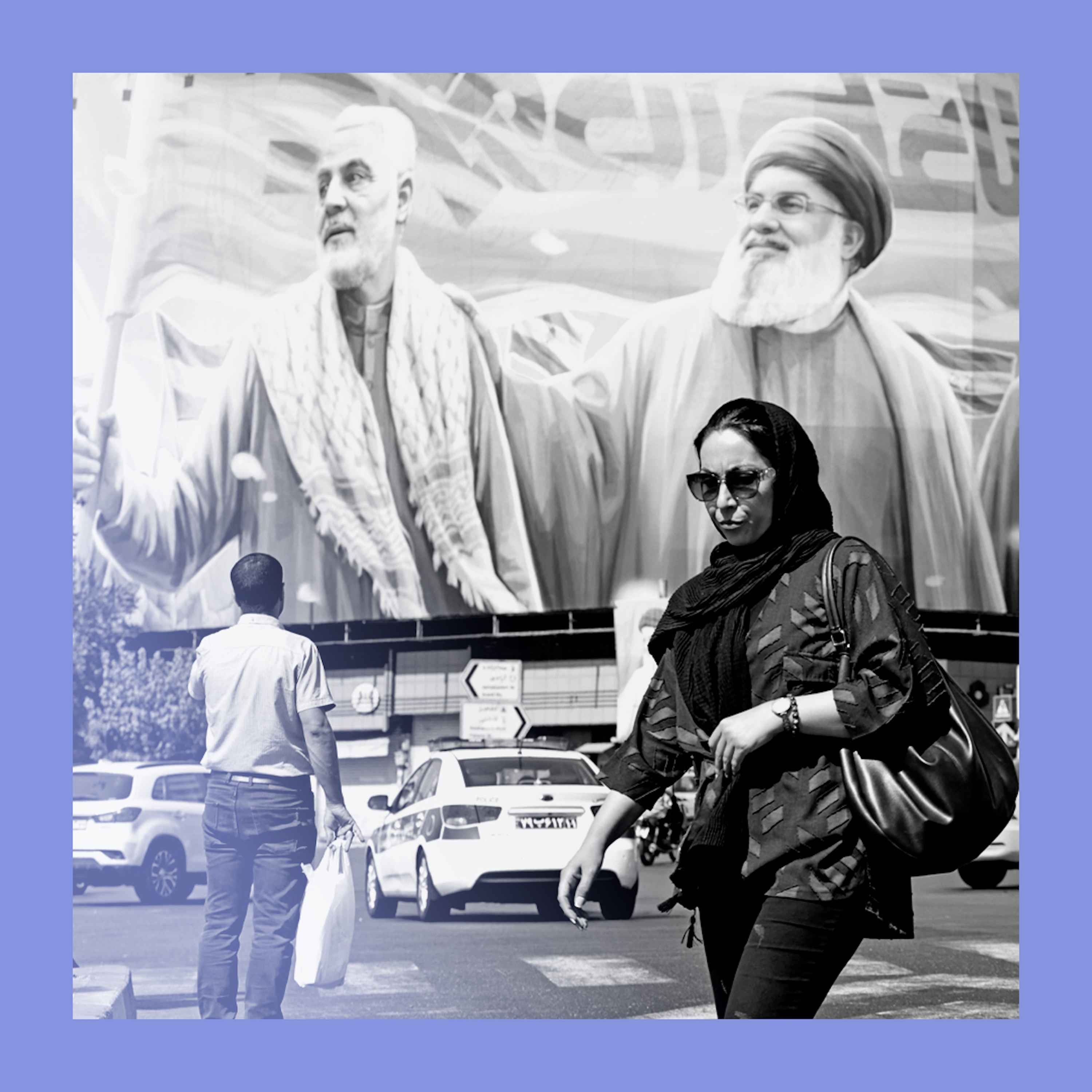
Facing severe economic pressure from sanctions and inflation, the Iranian government has relaxed enforcement of the hijab law. This is a calculated concession to appease the population and release social pressure, effectively trading social freedom for economic stability without ceding significant political power.