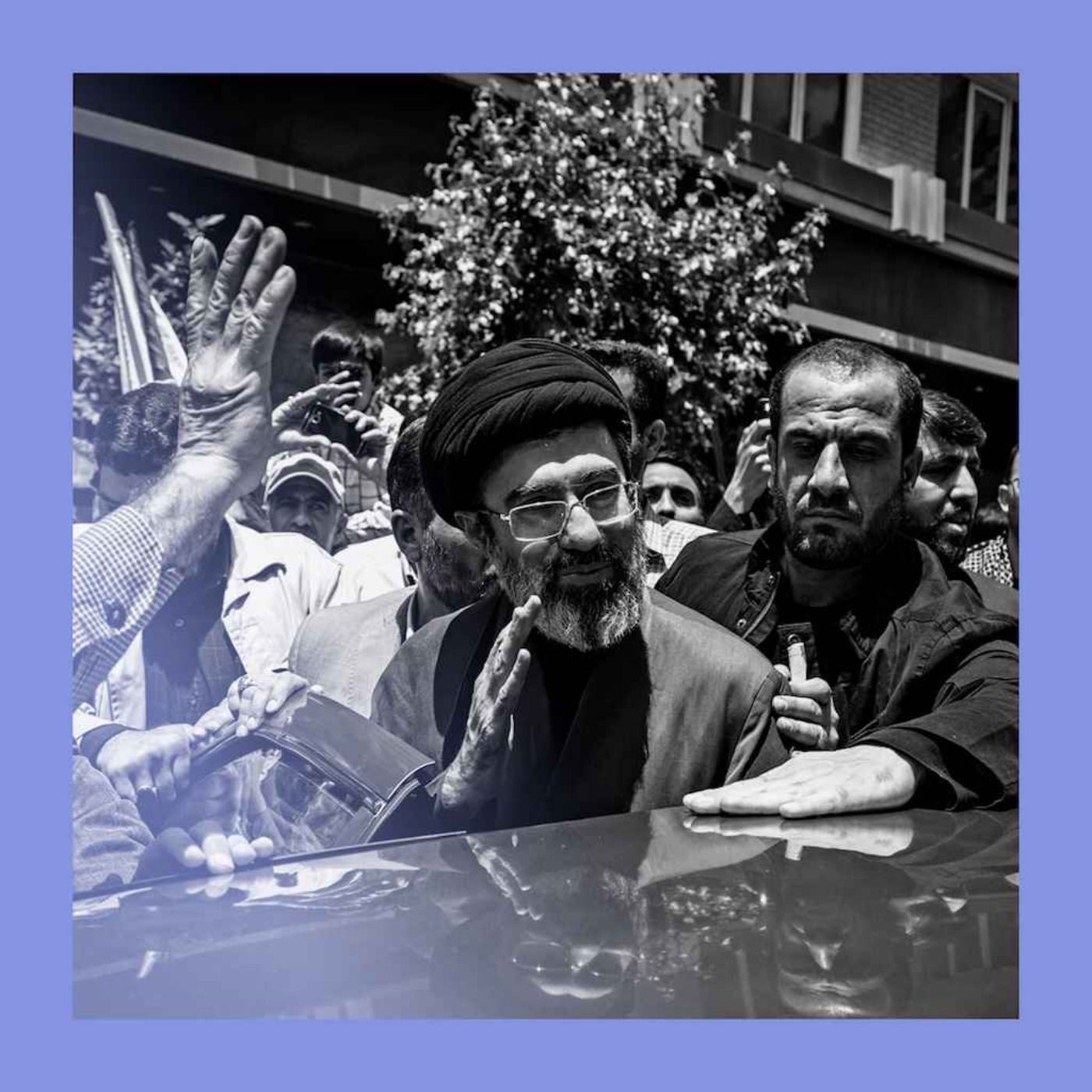
The selection of Mojtaba Khamenei is meant to project stability. However, it's unpopular even among the regime's base, who view it as a return to the monarchy they overthrew in 1979, creating significant internal political risk.
The conflict's new phase focuses on inflicting economic pain. Both sides are attacking vital, non-military infrastructure like oil fields, fuel depots, and water desalination plants to test which economy can withstand more damage.
Contrary to partisan expectations, Republicans in Congress actively pushed back against the Trump administration's proposed deep cuts to scientific research. Lawmakers rejected billions in cuts and even increased budgets for key agencies like the NIH and NASA.
The greatest threat from the administration's actions isn't budget cuts, but the erosion of trust in the scientific process itself. By creating instability and politicizing advisory bodies, it risks making public skepticism seem rational, a far more damaging long-term legacy.
The scarcity of tenors is a global issue because the tenor voice is often developed through training, not naturally occurring. Most untrained male singers are baritones. Becoming a tenor requires significant work and specific technique to sing the physically and musically difficult harmony parts.
While Mojtaba Khamenei is now supreme leader, his actual control is questionable. Iran is navigating a wartime transition with leaders in hiding, allowing factions like the Revolutionary Guard to vie for influence and pull the strings, suggesting a period of fragmented authority.