Get your free personalized podcast brief
We scan new podcasts and send you the top 5 insights daily.
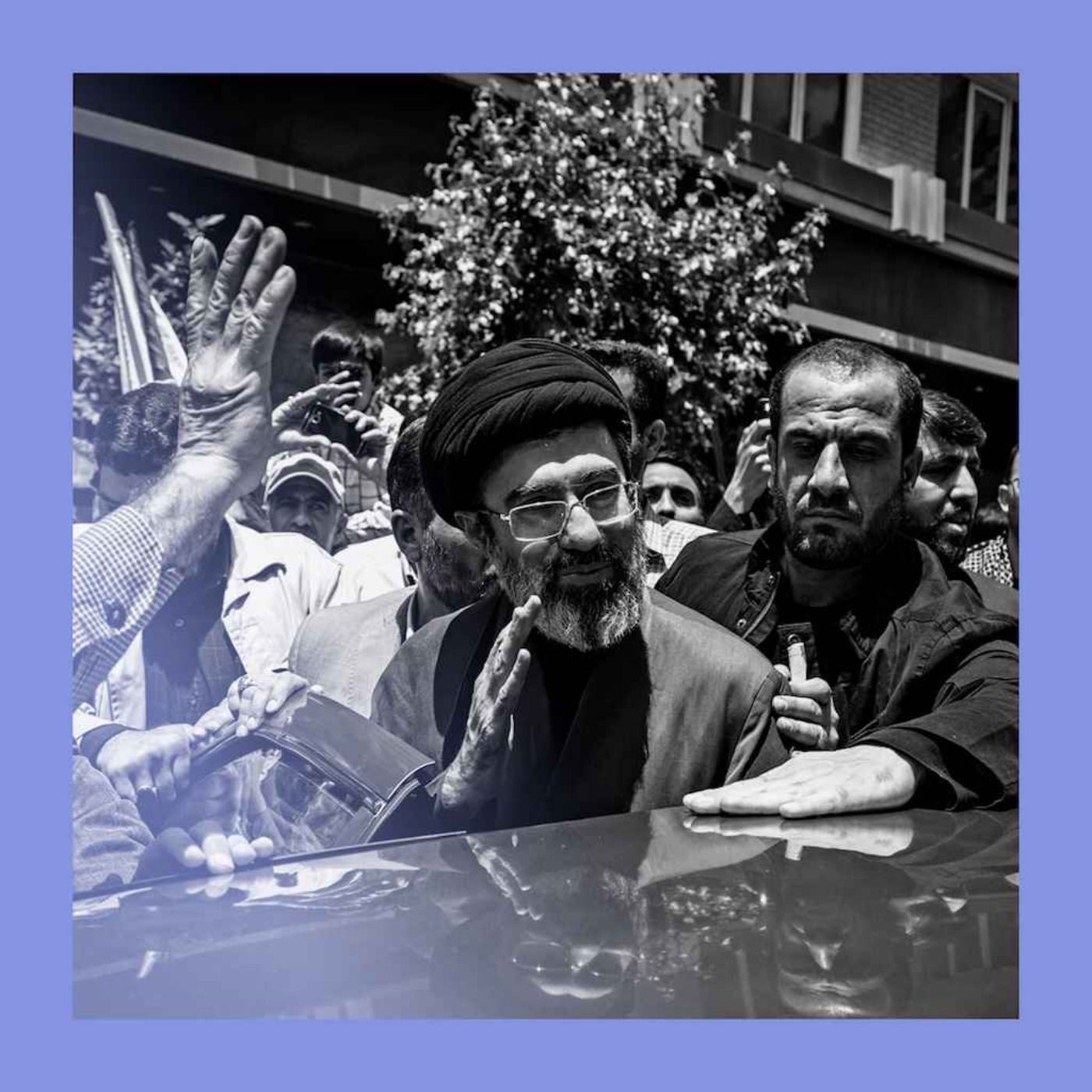
The selection of Mojtaba Khamenei is meant to project stability. However, it's unpopular even among the regime's base, who view it as a return to the monarchy they overthrew in 1979, creating significant internal political risk.
Related Insights
The US raid to capture Venezuela's president has sparked talk within Iran's elite about a similar "solution": removing Supreme Leader Khamenei to appease protestors and preserve the system, rather than allowing it to collapse entirely under external and internal pressure.
Meaningful reform in Iran is unlikely until the succession of the 86-year-old Supreme Leader is resolved. Deep uncertainty over who will hold power paralyzes the political system, preventing any faction from making significant changes and forcing the country into a holding pattern until the leadership transition occurs.
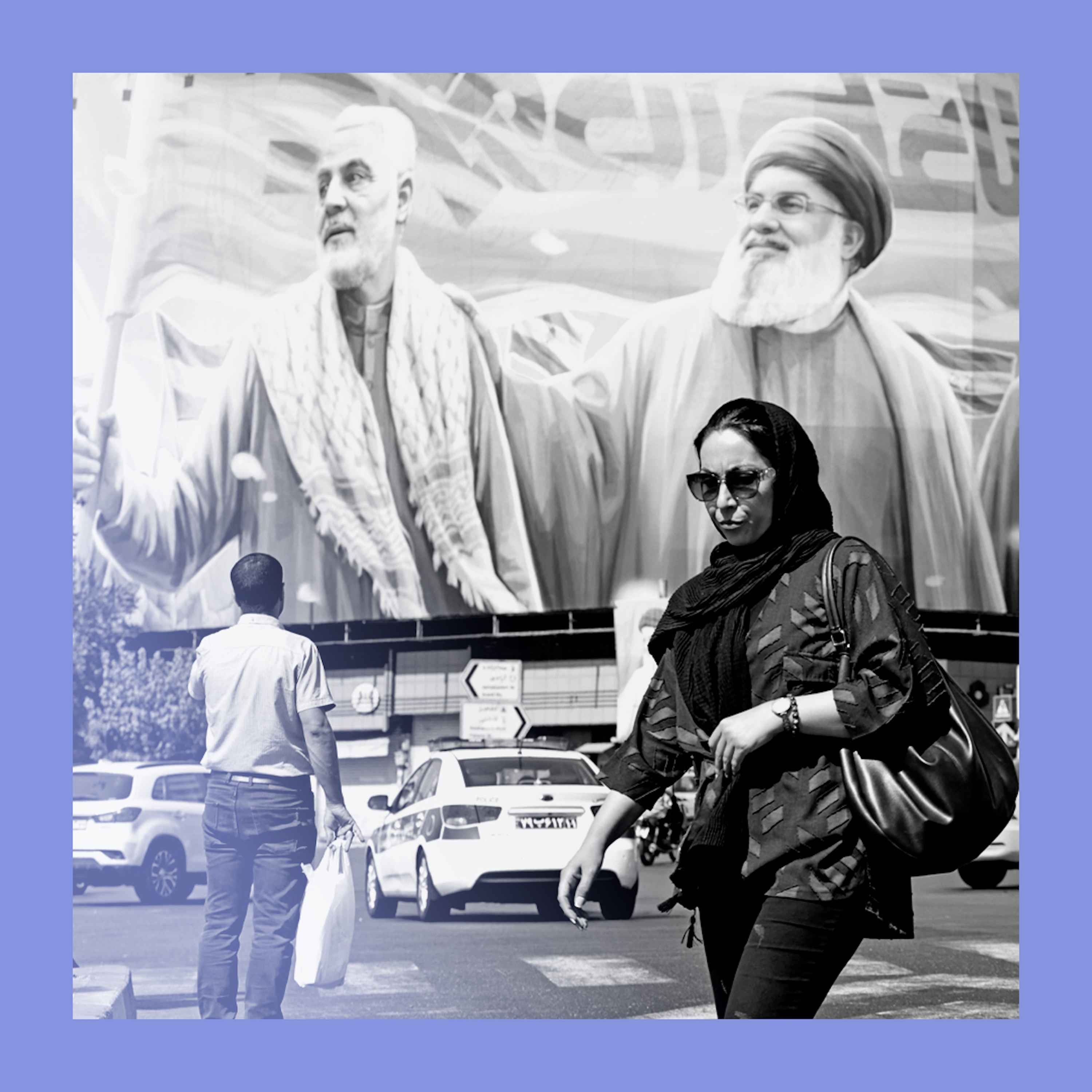
The Islamic Revolutionary Guard Corps (IRGC) has eclipsed the clergy, controlling major political and economic institutions. Ayatollah Khamenei maintains power through a symbiotic relationship with the IRGC, leveraging their military and economic might, rather than just religious authority.

Iran is at a critical inflection point as its aging and ill Supreme Leader, Ayatollah Khamenei, has no clear successor. The constitutional requirements for the role were tailored specifically for his predecessor, Khomeini. With no one in the wings who meets the criteria, the country faces significant instability upon his death.

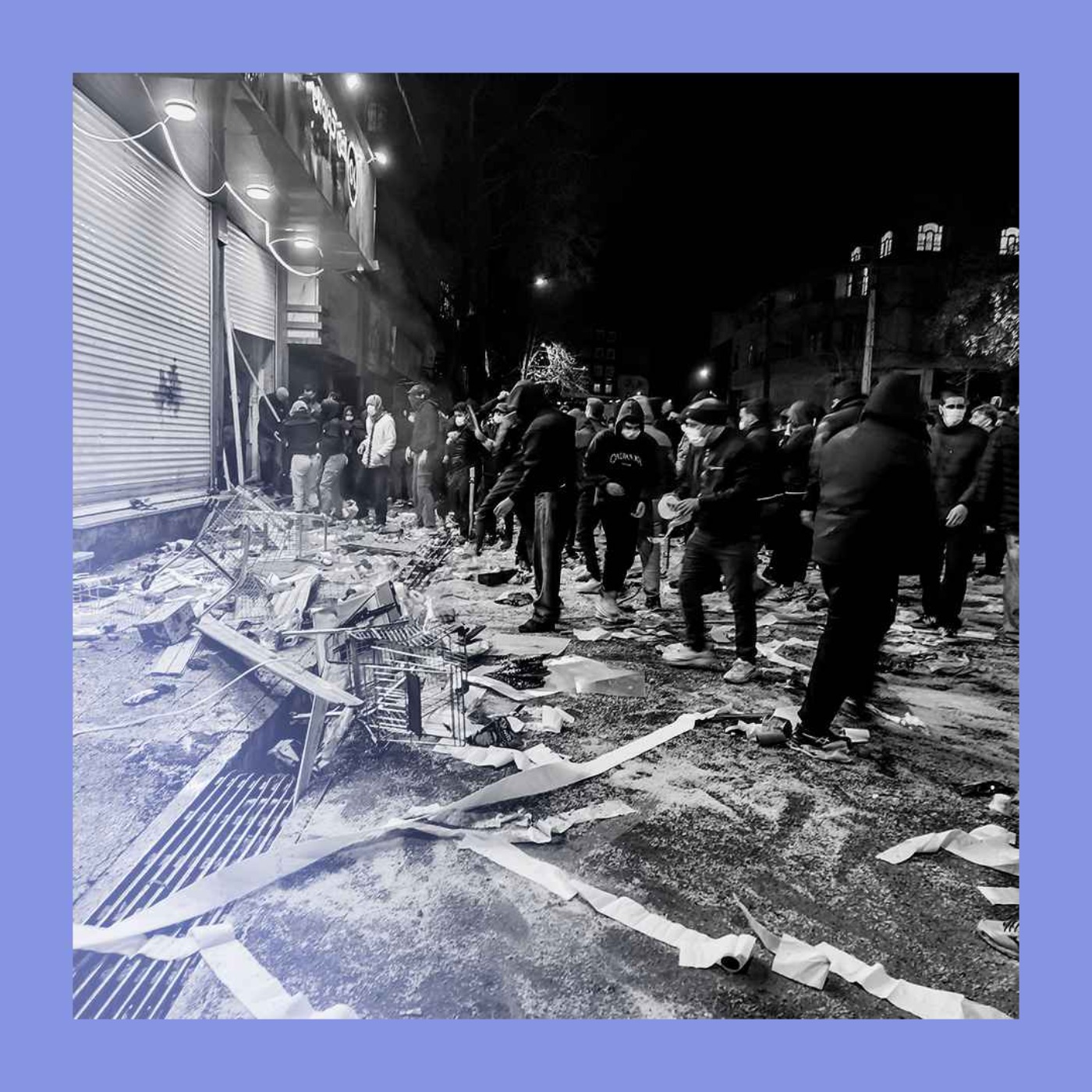
The intense violence from Iran's regime has eliminated political middle ground. The conflict is increasingly framed as a binary choice between the current Islamic Republic and a restored monarchy, marginalizing moderate voices who advocate for a democratic republic.
The ruling elite has inverted from 80% ideologues at the revolution's start to 80% charlatans today. Expedience and financial gain, not revolutionary zeal, now bind the regime's core. This ideological hollowness makes the regime more brittle than its rhetoric suggests.
While Mojtaba Khamenei is now supreme leader, his actual control is questionable. Iran is navigating a wartime transition with leaders in hiding, allowing factions like the Revolutionary Guard to vie for influence and pull the strings, suggesting a period of fragmented authority.
The Islamic regime's support base is limited to an aging demographic that participated in or benefited from the 1979 revolution. The country's overwhelmingly young population, a result of a post-revolution population boom, bears the brunt of the regime's failures and is staunchly opposed to it.

The Iranian populace is exhausted with theocratic rule after five decades. Any future authoritarian leader will likely be a product of the intelligence or security services, appealing to nationalism rather than revolutionary ideology. The era of the turban-wearing ruler is over.
Ayatollah Khamenei believes that any attempt at reform, like Gorbachev's in the USSR, would accelerate the regime's collapse rather than prolong it. This formative experience informs his rigid refusal to cede ground on core principles like the mandatory hijab, ensuring a brutal response to dissent.