Get your free personalized podcast brief
We scan new podcasts and send you the top 5 insights daily.
When begged to send troops to Belfast, British Home Secretary Jim Callaghan offered a prophetic warning: "I can get the army in, but it's gonna be a devil of a job to get it out." This statement perfectly encapsulates the strategic trap of military intervention. It appears as a quick fix for acute violence but often leads to a long, costly entanglement with no clear exit.

Related Insights
An act of aggression can become so popular domestically that leaders feel compelled to see it through, even if initially intended as a negotiating tactic. The Argentine junta found the Falklands invasion was "the most popular thing they'd ever done," trapping them in a conflict they couldn't easily abandon.

A president who campaigned against 'forever wars' can be trapped by the political need for a clear victory. If a diplomatic off-ramp isn't found quickly, the pressure to escalate increases, ironically risking the very type of prolonged conflict they opposed.
Sending troops after an attack in Nigeria can be counterproductive. The military is too overstretched to maintain a presence, so the intervention often provokes reprisal attacks against local communities once the soldiers have left, increasing long-term risk for civilians.

When a leader initiates a conflict, an exit that leaves the situation worse than before is politically untenable. This dynamic creates immense pressure to avoid withdrawal and instead escalate involvement, as backing out becomes "political suicide."

American military operations often begin with impressive displays of technological and operational excellence, much like a Bond film's opening scene. However, they frequently devolve into confusion and mediocrity due to a lack of coherent long-term strategy, leading to costly and disastrous outcomes.
Initial military actions, like successful bombings, can feel like victories. However, they often fail to solve the core political issue, trapping leaders into escalating the conflict further to achieve the original strategic goal, as they don't want to accept failure.

Nations like the US and USSR prolong involvement in failed conflicts like Afghanistan primarily due to "reputational risk." The goal shifts from achieving the original mission to avoiding the perception of failure, creating an endless commitment where objectives continually morph.

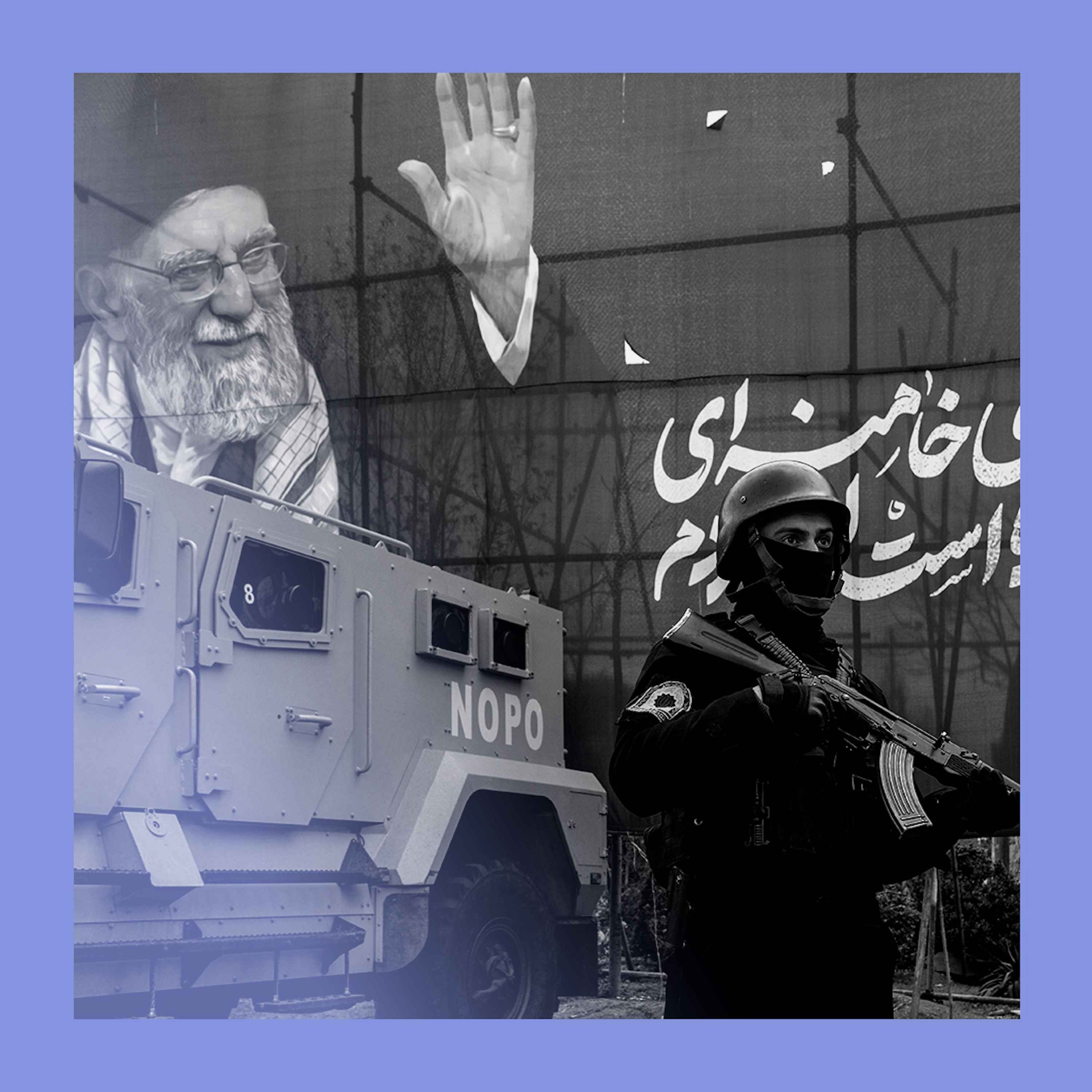
The Iran conflict illustrates how quagmires are born from a failure of imagination. Leaders don't ask the critical question: "What is our strategy if this drags on for years?" When you cannot achieve military victory and cannot govern the opposition, you become stuck in a perpetual conflict that should have been foreseen.

The core weakness of U.S. foreign intervention isn't a lack of military or economic power, but a lack of seriousness about the aftermath. The U.S. lacks the patience, humility, and stamina for the difficult, unglamorous work of post-conflict planning and nation-building, dooming interventions to failure.
Initially, British troops were welcomed as saviors by Northern Ireland's Catholic community, who brought them tea and sandwiches. This brief "honeymoon period" masked the underlying reality. The army's presence inevitably shifted perceptions from peacekeeping to occupation, turning soldiers from protectors into targets for the very people they were sent to defend.