Get your free personalized podcast brief
We scan new podcasts and send you the top 5 insights daily.
When a leader initiates a conflict, an exit that leaves the situation worse than before is politically untenable. This dynamic creates immense pressure to avoid withdrawal and instead escalate involvement, as backing out becomes "political suicide."

Related Insights
An act of aggression can become so popular domestically that leaders feel compelled to see it through, even if initially intended as a negotiating tactic. The Argentine junta found the Falklands invasion was "the most popular thing they'd ever done," trapping them in a conflict they couldn't easily abandon.

The greatest risk of nuclear weapon use is not a peacetime accident but a nation facing catastrophic defeat in a conventional war. The pressure to escalate becomes immense when a country's conventional forces are being eradicated, as it may see nuclear use as its only path to survival.
A president who campaigned against 'forever wars' can be trapped by the political need for a clear victory. If a diplomatic off-ramp isn't found quickly, the pressure to escalate increases, ironically risking the very type of prolonged conflict they opposed.
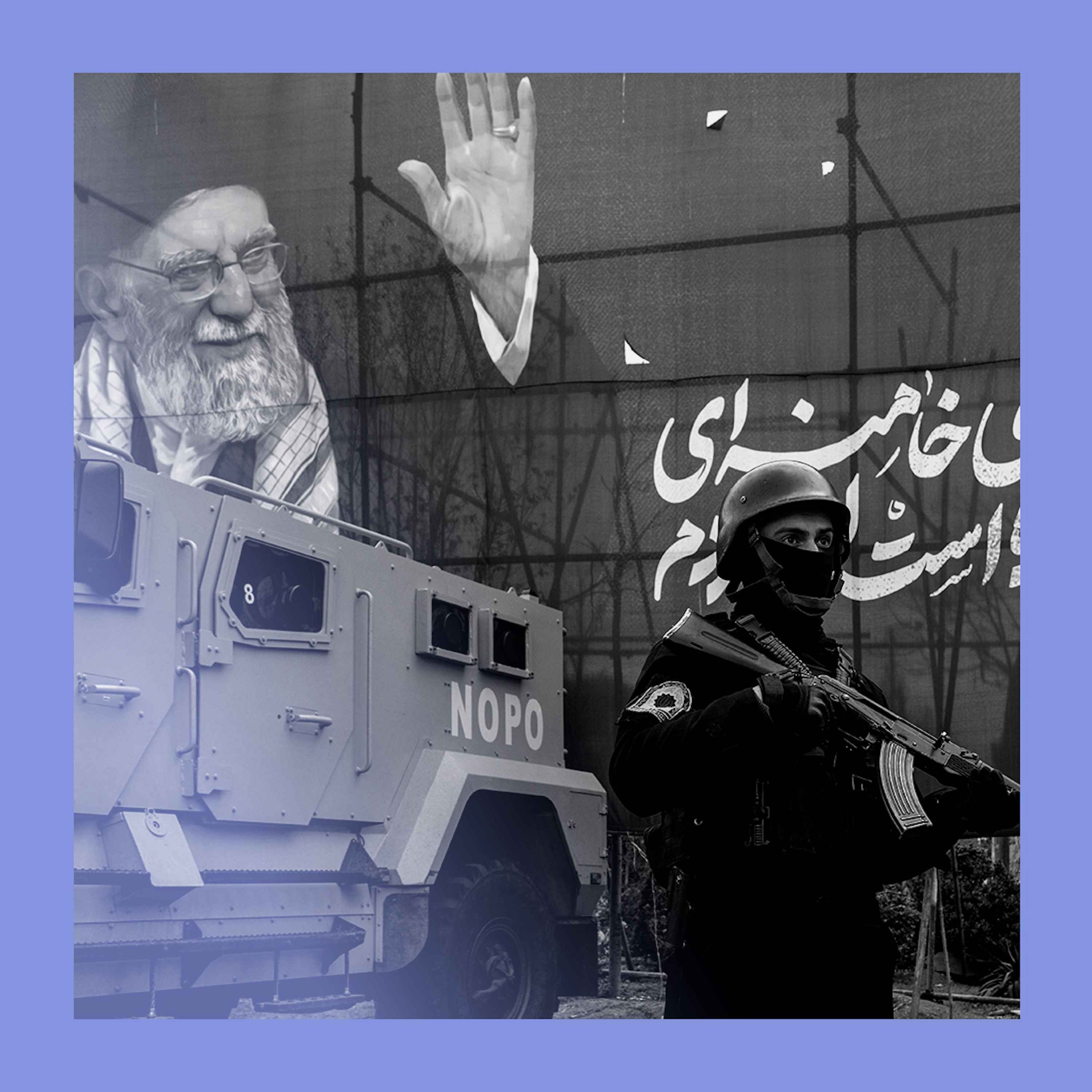
A population can be habituated to war through gradual escalation. By starting with seemingly small, contained "lightning strikes," each subsequent step feels less shocking. This incremental approach can lead a nation into a major conflict without a single decisive moment of public debate or consent.

The podcast uses a video game analogy to stress that in real-world conflicts, there's no option to restart after a mistake. Decisions, like the current Iran strategy, have permanent, cascading consequences that cannot be undone by simply changing tactics.
The US is trapped. Withdrawing from Iran would signal imperial collapse, causing allies to defect and the dollar to fail. Therefore, leaders feel forced to double down and escalate, like a gambler chasing losses.

Initial military actions, like successful bombings, can feel like victories. However, they often fail to solve the core political issue, trapping leaders into escalating the conflict further to achieve the original strategic goal, as they don't want to accept failure.

Putin's desire to continue the war outweighs any potential benefits offered in negotiations. This persistence is not based on a reasonable assessment of the situation but on sunk costs, personal legacy, and a belief that Russia's sheer will can outlast Western support.

Nations like the US and USSR prolong involvement in failed conflicts like Afghanistan primarily due to "reputational risk." The goal shifts from achieving the original mission to avoiding the perception of failure, creating an endless commitment where objectives continually morph.

When a leader faces severe legal and personal consequences upon leaving office, the rational choice becomes prolonging a crisis. War provides a pretext for emergency powers and suspending elections, a dynamic observed in Ukraine.