Get your free personalized podcast brief
We scan new podcasts and send you the top 5 insights daily.
American military operations often begin with impressive displays of technological and operational excellence, much like a Bond film's opening scene. However, they frequently devolve into confusion and mediocrity due to a lack of coherent long-term strategy, leading to costly and disastrous outcomes.
Related Insights
The removal of Maduro was a technological showcase, employing cyber tools to knock out power and air defenses, communications jamming, and suicide drones. This demonstrates a significant evolution in U.S. military capabilities beyond conventional special operations.

The raid on Maduro is presented as an opportunity for special forces units to demonstrate their value to an administration wary of large, troop-intensive occupations. This "surgical strike" model offers a politically palatable alternative to the costly nation-building efforts of the 2000s in Iraq and Afghanistan.
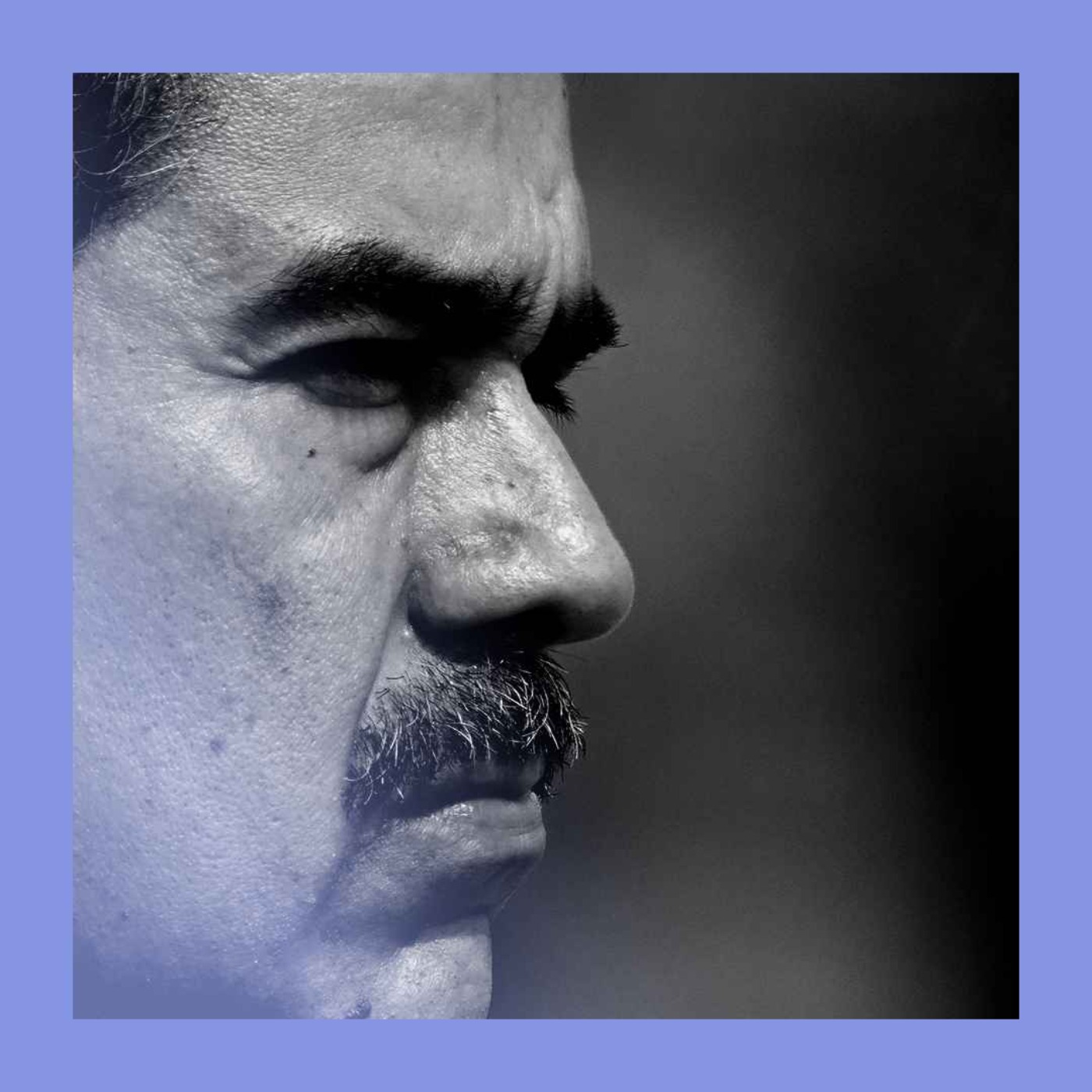
The "absolutely clinical" US raid to capture Venezuela's president is lauded as a military success. However, historical precedents from Afghanistan in 2001 and Iraq in 2003 show that initial military prowess in toppling a regime is no guarantee of long-term strategic success, which depends on far more complex political factors.
Trump's direct, aggressive actions often achieve immediate goals (first-order consequences). However, this approach frequently fails to anticipate the strategic, long-term responses from adversaries like China (second and third-order consequences), potentially creating larger, unforeseen problems down the road.

Executing complex military operations publicly reveals sensitive tactics, techniques, and procedures (TTPs). Adversaries like Russia and China study these events to deconstruct US capabilities, from mission sequencing to electronic warfare. This exposure of the 'revolver's shots' depletes the element of surprise for future, more critical conflicts.
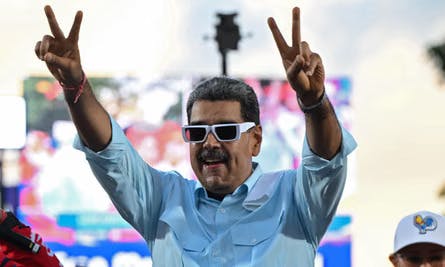
Despite an administration staffed by veterans weary of foreign entanglements, the U.S. has amassed its largest military force in the Caribbean since the Cuban Missile Crisis. This contradiction highlights a deep strategic incoherence, which the speaker calls a "strategic cacophony," making it difficult to formulate consistent national policy.

The core weakness of U.S. foreign intervention isn't a lack of military or economic power, but a lack of seriousness about the aftermath. The U.S. lacks the patience, humility, and stamina for the difficult, unglamorous work of post-conflict planning and nation-building, dooming interventions to failure.
The US military operation in Venezuela is interpreted as a display of global military dominance aimed at China and Russia. This action suggests a strategic pivot towards becoming a global empire rather than retreating to a regional, isolationist Monroe Doctrine.

When complex situations are reduced to a single metric, strategy shifts from achieving the original goal to maximizing the metric itself. During the Vietnam War, using "body counts" as a proxy for success led to military decisions designed to increase casualties, not to win the war.

The US military's 30-year strategy, born from the Gulf War, of relying on small numbers of technologically superior weapons is flawed. The war in Ukraine demonstrates that protracted, industrial-scale conflicts are won by mass and production volume, not just technological sophistication.