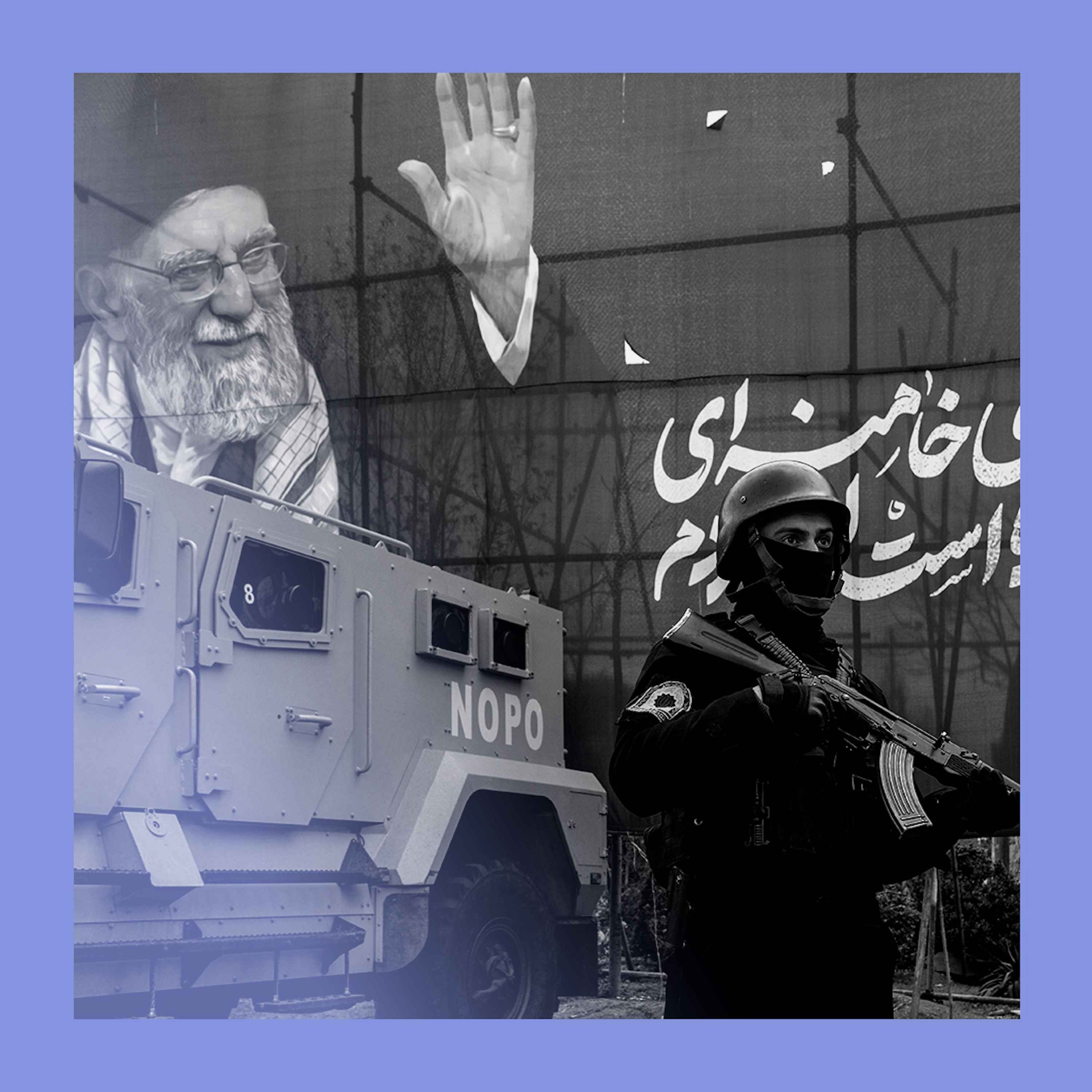
Counterintuitively, Iran's regime feels it has the upper hand in the war because the conflict has driven up oil prices. Even as its military sites are targeted, the country is earning more from oil exports than before the war, feeding its perception of strategic success.
A military strategy of capturing key territory, like islands in the Strait of Hormuz, may seem decisive but often fails to end a conflict. The occupying force can become stuck defending the territory indefinitely, unable to guarantee safety for commercial interests and risking further escalation.
A president who campaigned against 'forever wars' can be trapped by the political need for a clear victory. If a diplomatic off-ramp isn't found quickly, the pressure to escalate increases, ironically risking the very type of prolonged conflict they opposed.
The Houthi's missile attacks on Israel are militarily minor. Their real power lies in attacking commercial shipping in the Red Sea, which would disrupt Saudi oil exports and could double the global oil shortfall, causing a massive price spike.
The Plessy v. Ferguson decision institutionalized segregation by arguing that if segregation created a 'badge of inferiority,' it was not due to the law itself. The court claimed it was because the 'colored race chooses to put that construction upon it,' blaming victims for their interpretation of discrimination.
The box office success of films like 'Project Hail Mary' indicates a broader trend. Viewers are drawn to stories that acknowledge overwhelming, world-ending threats—reflecting contemporary anxieties—but find resolution and appeal through themes of hope and personal connection, such as an unlikely friendship.