Get your free personalized podcast brief
We scan new podcasts and send you the top 5 insights daily.
Beyond its mountainous terrain and independent culture, Guerrero's chronic violence is explained by its closeness to the nation's capital. This proximity makes any local insurgency a direct threat to central power, leading to a relentless, centuries-long cycle of state repression and fierce local opposition.

Related Insights
The Yucatan Peninsula, once a site of rebellion, is now remarkably safe. This peace is driven by its tourism-centric economy, which creates a strong incentive for stability as foreigners are considered "untouchable." It has also ceased to be a primary drug trafficking route.
The "kingpin strategy" of targeting cartel leaders can be counterproductive. Removing a strong leader like El Mencho, who maintained vertical control, often leads to the cartel's fragmentation. This results in violent internecine conflicts as factions vie for power, ultimately increasing overall violence in the region.

The successful crackdown on the relatively business-minded Sinaloa cartel created a power vacuum. This void was filled by the more brutal Jalisco New Generation Cartel, which uses extreme violence as its primary business model. This inadvertently worsened the security situation by replacing a predictable actor with a chaotic one.

President Claudia Scheinbaum's hesitant response to cartel violence is framed not as weakness, but as a calculated political gamble. She may believe letting the violence 'blow over' is less risky than an all-out war that could threaten her family and destabilize her government.

Mexico avoided the coups and civil wars of its neighbors through a unique political formula. The one-party state provided stability, but locally rigged elections, when challenged by popular protest, offered a genuine path for representation. This was reinforced by a deep national trauma from the revolution, prioritizing peace above all.
Escalating civil unrest, like that in Minnesota, is not random but a direct result of local and state governments refusing to cooperate with federal agencies. This antagonism creates a permissive environment for conflict and encourages public resistance, turning policy disputes into street-level violence.

Mexico's progress against crime is highly localized. While states like Zacatecas see murder rates fall steeply due to methodical police reform, others like Sinaloa remain nightmarish 'war zones' controlled by cartels. This demonstrates that national-level policies do not produce uniform results on the ground.
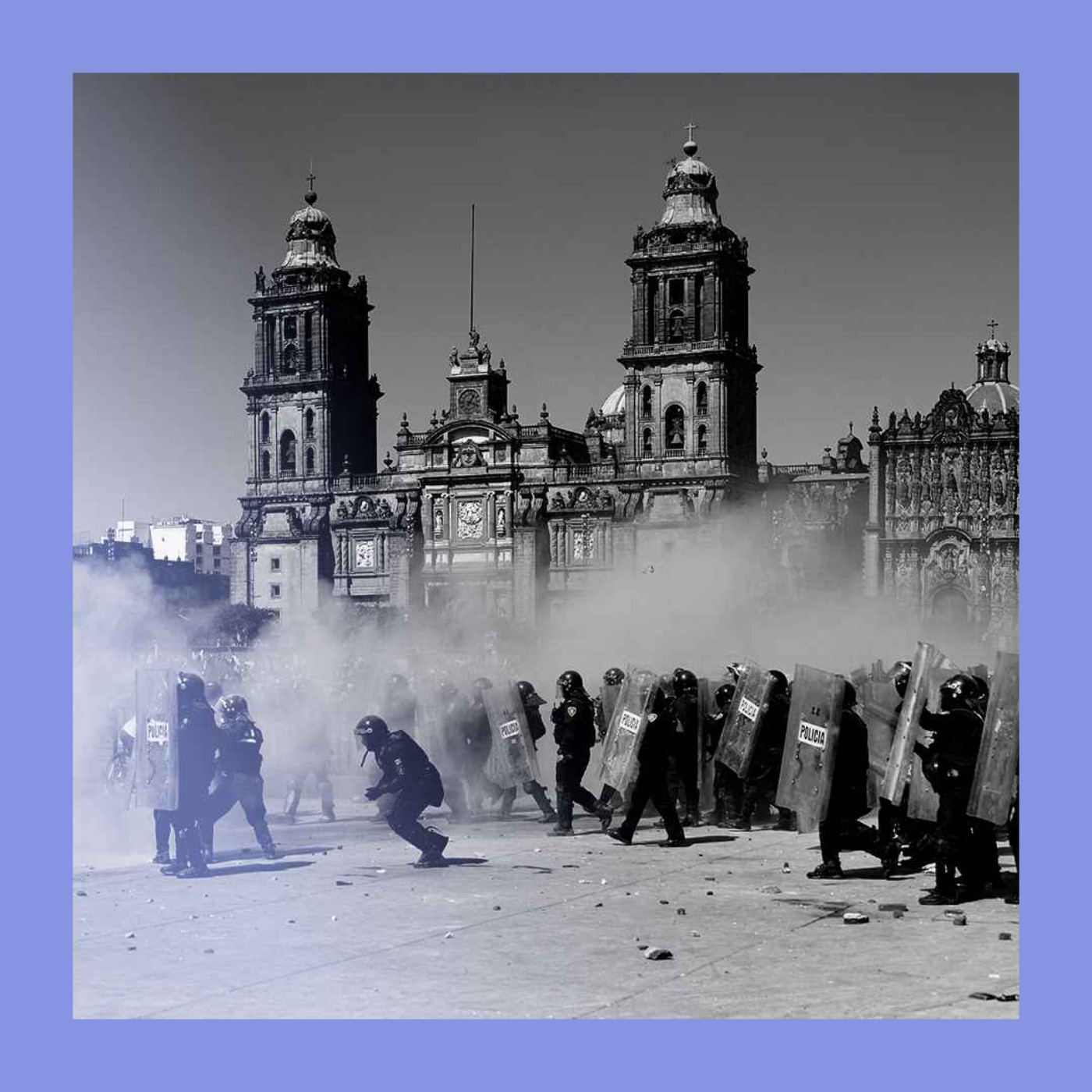
The nature of cartel violence in Mexico has shifted from traditional drug wars to battles for local economic power. Cartels are deeply integrated into the economy and government, competing for diversified revenue streams like fuel theft, extortion, and control over local supply chains.

Oaxaca's overrepresentation in national politics isn't accidental. Its mountainous terrain fostered a history of political independence. After Mexico's independence, villages eagerly established local governments, creating a deeply competitive political environment that functions as a training ground for skilled politicians.
Unlike other large post-colonial American states that fragmented, Mexico remained intact. Its mountainous geography necessitated a decentralized, hands-off governance style, which fostered a deep-rooted federalism that ultimately prevented regions from breaking away.