Get your free personalized podcast brief
We scan new podcasts and send you the top 5 insights daily.
The Yucatan Peninsula, once a site of rebellion, is now remarkably safe. This peace is driven by its tourism-centric economy, which creates a strong incentive for stability as foreigners are considered "untouchable." It has also ceased to be a primary drug trafficking route.

Related Insights
Despite a strong regional identity and a near-successful secession attempt, Yucatan remained part of Mexico. The key factor was not federal suppression but deep internal racial divisions, as the ruling white plantocracy had no interest in leading a unified independence movement.
Mexico avoided the coups and civil wars of its neighbors through a unique political formula. The one-party state provided stability, but locally rigged elections, when challenged by popular protest, offered a genuine path for representation. This was reinforced by a deep national trauma from the revolution, prioritizing peace above all.
Mexico's progress against crime is highly localized. While states like Zacatecas see murder rates fall steeply due to methodical police reform, others like Sinaloa remain nightmarish 'war zones' controlled by cartels. This demonstrates that national-level policies do not produce uniform results on the ground.
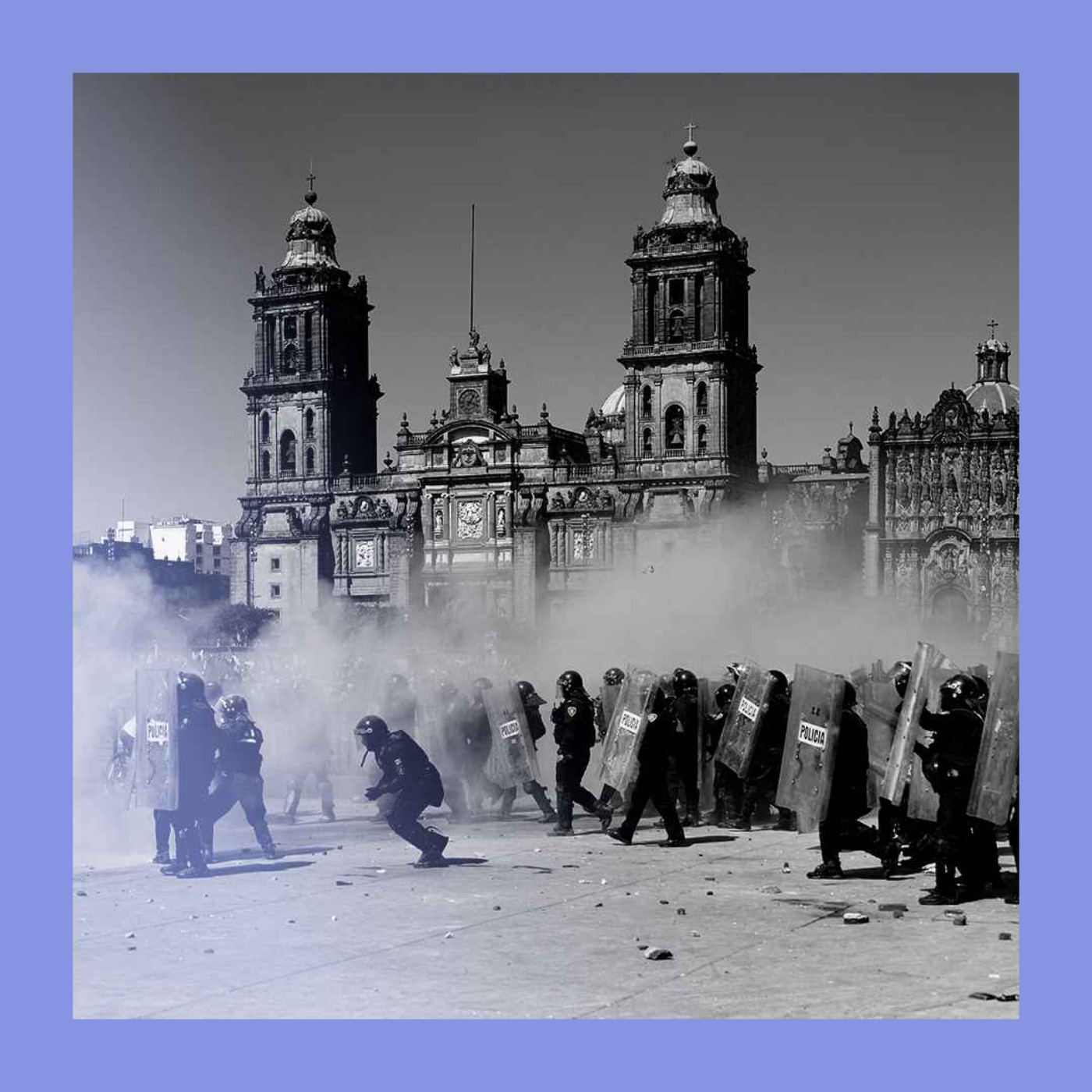
The nature of cartel violence in Mexico has shifted from traditional drug wars to battles for local economic power. Cartels are deeply integrated into the economy and government, competing for diversified revenue streams like fuel theft, extortion, and control over local supply chains.

Beyond its massive domestic market, China is strategically boosting inbound tourism through policies like expanded visa-free access. This initiative is projected to become a significant revenue source, accounting for 16% of the total tourism market by 2030.

The Jalisco New Generation Cartel's power stems from its diversified criminal portfolio. Beyond drug trafficking, it engages in fuel theft, extortion, and even timeshare fraud. This broad business model, combined with its presence in all 32 Mexican states, makes it a uniquely powerful and complex criminal organization.

Economist Marc Faber argues that countries like Thailand, sometimes labeled "failed states," can paradoxically offer higher degrees of personal freedom and safety. The lack of rigid state control can create a more peaceful and less restrictive environment than many Western nations.

Regional stability is an economic necessity for oil-rich nations. Peace allows them to accelerate monetization of their finite oil reserves and reinvest the capital into diversified, future-proof economies like AI and tourism before alternative energy devalues their primary asset.

To combat American fears about Mexico, clinics in Los Algodones engage in "performative safety." This includes creating an overwhelming smell of sanitizer, hiring American English speakers to sit in waiting rooms, and ensuring a visible police presence—all to make foreign tourists feel comfortable and secure.

Dubai's economy is fundamentally a "sentiment business," built on real estate, tourism, and commerce. This model is exceptionally fragile because its success hinges entirely on maintaining the perception of safety and stability. Geopolitical threats are therefore not just a risk but an existential threat to its core value proposition.
