Get your free personalized podcast brief
We scan new podcasts and send you the top 5 insights daily.
The "kingpin strategy" of targeting cartel leaders can be counterproductive. Removing a strong leader like El Mencho, who maintained vertical control, often leads to the cartel's fragmentation. This results in violent internecine conflicts as factions vie for power, ultimately increasing overall violence in the region.

Related Insights
President Sheinbaum's early success in reducing crime stems from appointing Omar Hafush, a data-driven former police officer, as security minister. Unlike his political predecessors, Hafush uses data, coordinates intelligence, and leverages financial crime units to target cartels more effectively, demonstrating the power of expert leadership.
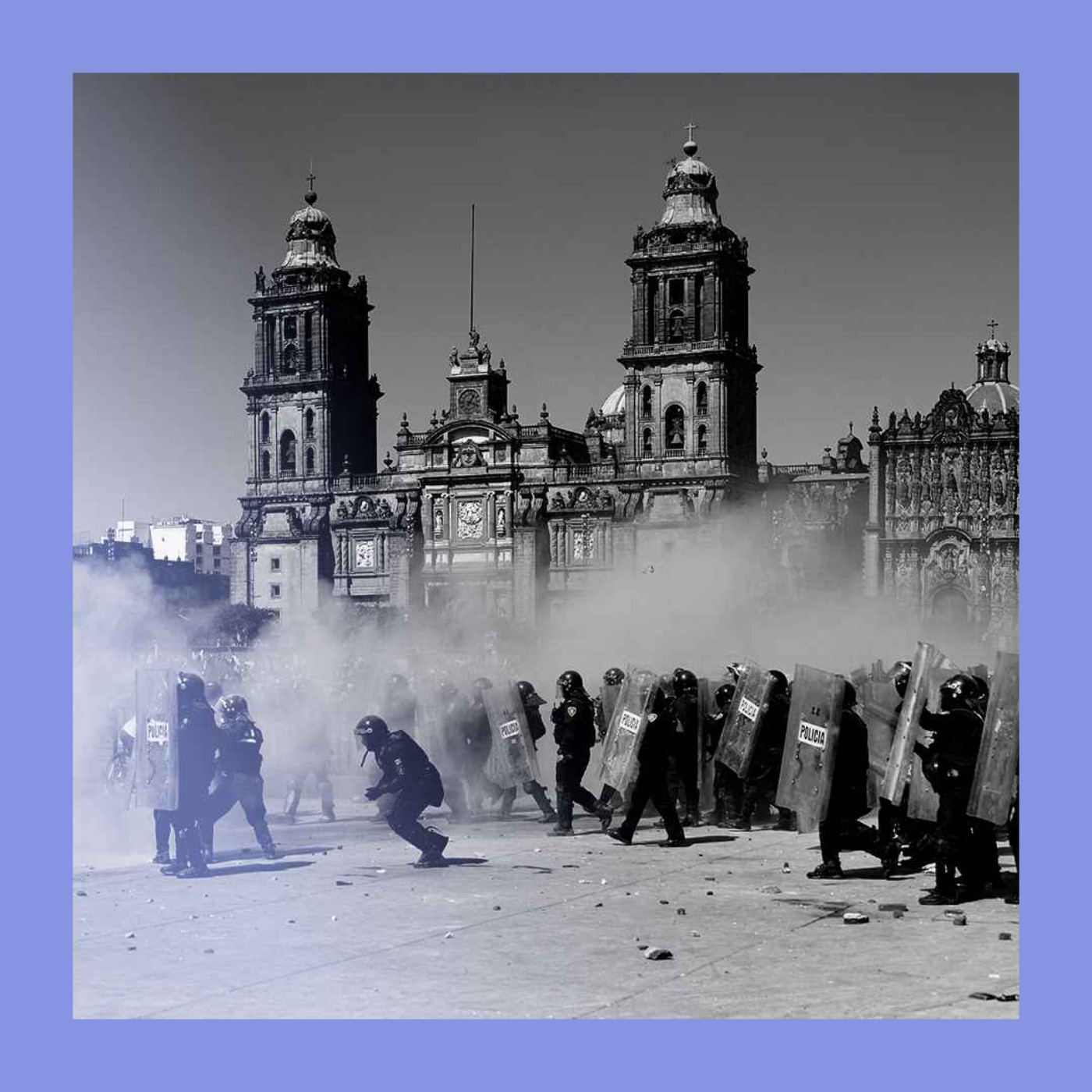
The successful crackdown on the relatively business-minded Sinaloa cartel created a power vacuum. This void was filled by the more brutal Jalisco New Generation Cartel, which uses extreme violence as its primary business model. This inadvertently worsened the security situation by replacing a predictable actor with a chaotic one.

President Claudia Scheinbaum's hesitant response to cartel violence is framed not as weakness, but as a calculated political gamble. She may believe letting the violence 'blow over' is less risky than an all-out war that could threaten her family and destabilize her government.

Directly attacking a charismatic leader can backfire due to personal loyalty. A more effective political strategy is to target their key advisors. Removing controversial figures can weaken the leader's power structure, as it is easier to build consensus against "bad actors" than the principal.

Mexico's progress against crime is highly localized. While states like Zacatecas see murder rates fall steeply due to methodical police reform, others like Sinaloa remain nightmarish 'war zones' controlled by cartels. This demonstrates that national-level policies do not produce uniform results on the ground.
Drug trafficking has shifted from vertically integrated cartels to a fluid network of specialized subcontractors. This model, similar to tech manufacturing, makes the supply chain more resilient to disruption and fosters innovation in cultivation, smuggling, and money laundering, making it harder for law enforcement to disrupt.
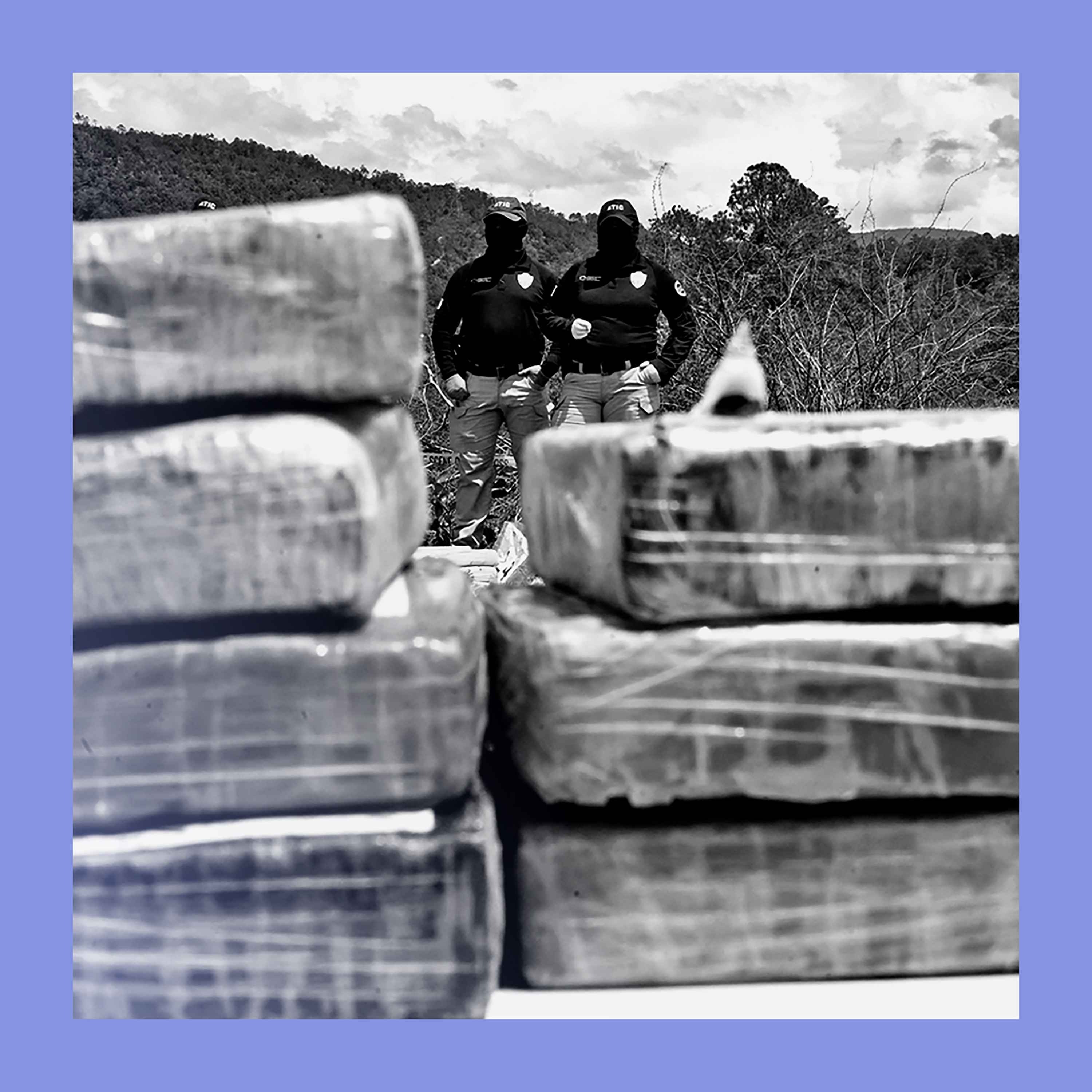
The nature of cartel violence in Mexico has shifted from traditional drug wars to battles for local economic power. Cartels are deeply integrated into the economy and government, competing for diversified revenue streams like fuel theft, extortion, and control over local supply chains.

The argument posits that allowing paramilitary groups like cartels to operate is analogous to letting a tumor metastasize. The necessary response, though devastating and violent like chemotherapy, must be a massive military push to 'smash these guys into oblivion,' as tolerating their existence is a fatal choice for the nation.
The Jalisco New Generation Cartel's power stems from its diversified criminal portfolio. Beyond drug trafficking, it engages in fuel theft, extortion, and even timeshare fraud. This broad business model, combined with its presence in all 32 Mexican states, makes it a uniquely powerful and complex criminal organization.
A dictator's attempts to consolidate power by purging potential rivals are counterproductive. This strategy creates a culture of fear where subordinates are too afraid to deliver bad news, isolating the leader from ground truth. This lack of accurate information increases the risk of catastrophic miscalculation and eventual downfall.
