Get your free personalized podcast brief
We scan new podcasts and send you the top 5 insights daily.
Frame difficult conversations by separating the problematic behavior (e.g., being late) from the person's identity (e.g., being lazy). This 'good person who is struggling with X' approach prevents defensiveness and allows for a productive discussion about the issue.

Related Insights
To give difficult feedback, use the Situation-Behavior-Impact (SBI) model. Instead of making accusations, state the situation, the specific behavior, and crucially, the impact it had on you. This approach prevents triggering a defensive, fight-or-flight response in the recipient.

People become defensive when given unsolicited advice. To create an opening for constructive criticism, first ask the other person for feedback on your own performance. This act of vulnerability establishes trust and often triggers a natural social tendency for them to reciprocate, making them more receptive to your feedback in return.

A three-step structure for feedback: state a neutral observation ("What"), explain its impact ("So What"), and suggest a collaborative next step ("Now What"). This focuses on the work, not the person, making the feedback more likely to be received well and acted upon.

When receiving harsh feedback, avoid a defensive posture by mentally reframing the interaction. Instead of seeing it as a personal attack across a table, visualize both of you on the same side, collaborating on a problem written on a whiteboard. This shifts the focus to the idea, not the person.

View poor performance or difficult behavior as a manifestation of 'feelings overpowering skills,' rather than a conscious bad choice. This transforms a leader's role from a disciplinarian to a coach focused on teaching the missing skills to manage the situation.
Instead of trying to find the perfect words, preface difficult feedback by stating your own nervousness. Saying, "I'm nervous to share this because I value our relationship," humanizes the interaction, disarms defensiveness, and makes the other person more receptive to the message.

The key to a successful confrontation is to stop thinking about yourself—whether you need to be seen as tough or be liked. The singular goal is to communicate the unvarnished truth in a way the other person can hear and act upon, without their defensiveness being triggered by your own emotional agenda.

People are more receptive to feedback when they feel seen. By first acknowledging their perspective and reality ('connecting'), you build a bridge that makes them willing to cooperate and change their behavior, rather than becoming defensive.
People are more willing to accept and incorporate feedback about traits they see as secondary, like being "well-spoken" or "witty." Tying feedback to core identity traits, such as kindness or integrity, is more likely to be perceived as a threat and trigger a defensive response.
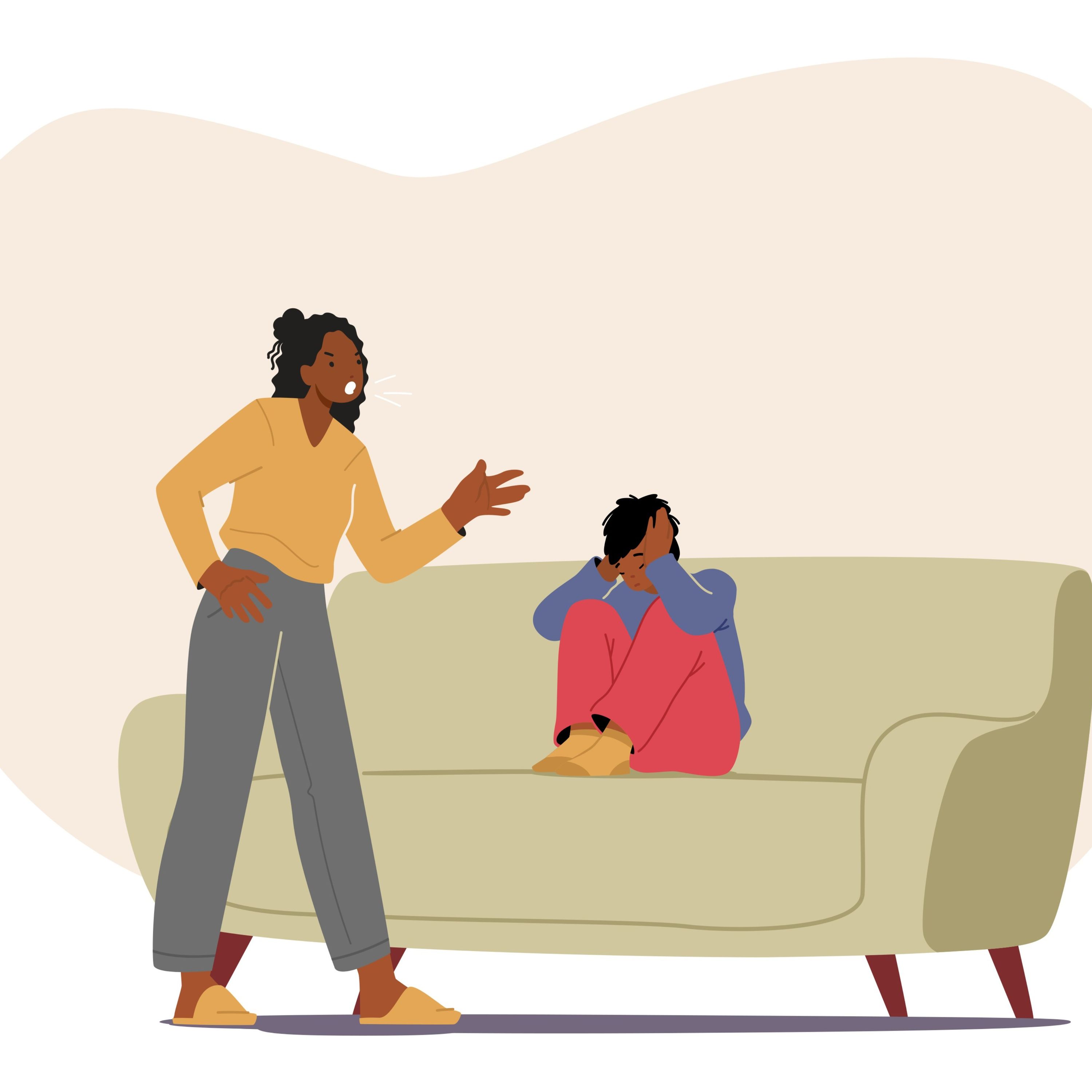
To prevent defensiveness when giving critical feedback, managers should explicitly state their positive intent. Saying "I'm giving this because I care about you and your career" shifts the focus from a personal attack to a supportive act of leadership aimed at helping them grow.
