Get your free personalized podcast brief
We scan new podcasts and send you the top 5 insights daily.
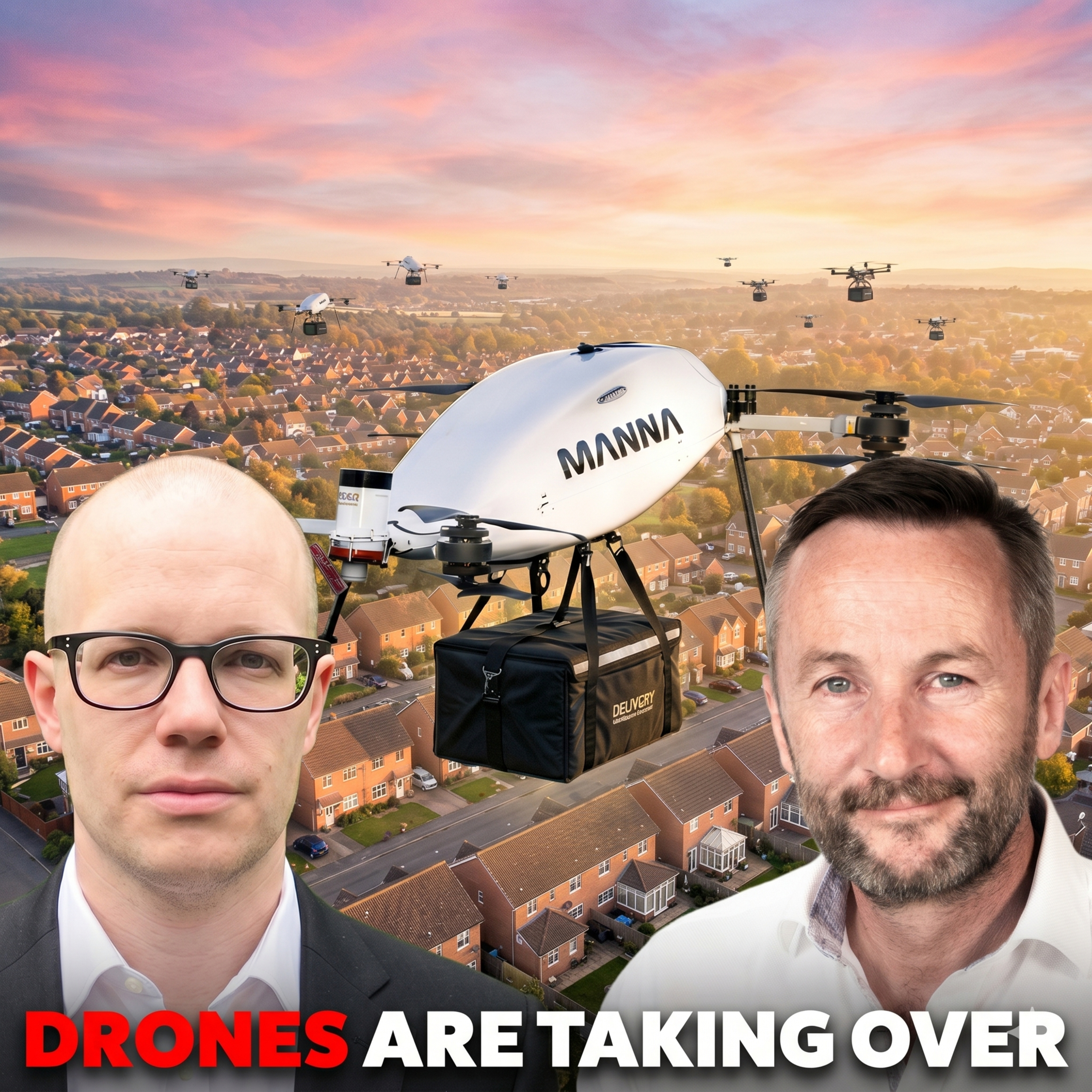
Beyond delivering restaurant food, Mana's ultimate goal is to create a platform for peer-to-peer delivery. This would empower individuals and small home-based businesses to sell and ship products hyper-locally, effectively creating a new, democratized logistics layer for neighborhood economies.
Related Insights
Before autonomous vehicles can dominate delivery, a more fundamental problem must be solved: creating a structured, real-time catalog of the tens of millions of items available in a city. Without knowing what exists and where, advanced fulfillment technology is useless.
Middlemen like retailers exist because of information asymmetry. Personal AI agents, with deep knowledge of individual needs, will aggregate demand and purchase goods directly from producers like farmers and manufacturers. This will eliminate the need for advertisers and retailers and enable hyper-efficient supply chains.

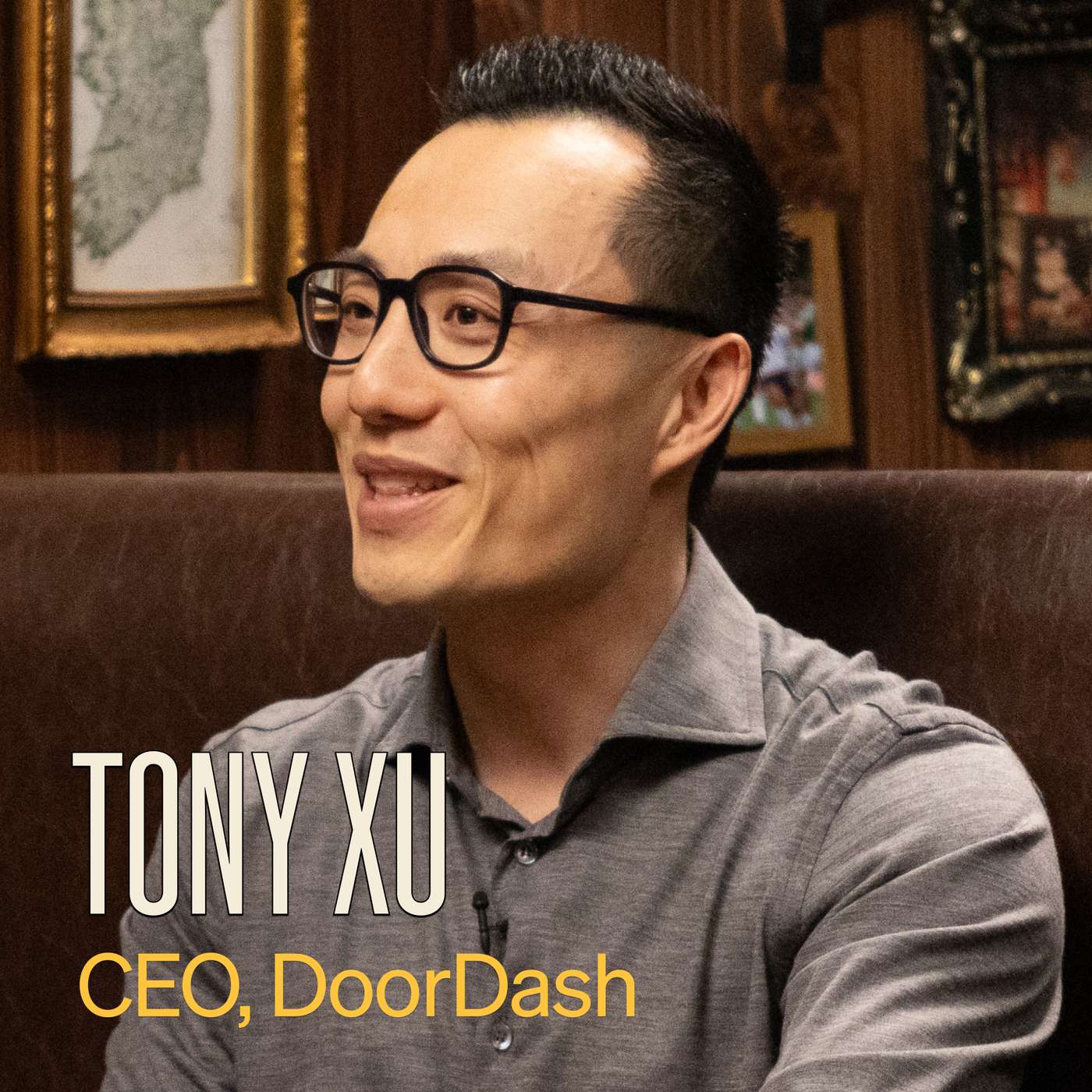
Square views its role as taking complex technology, from financial tools to AI, that is usually only accessible to large corporations and making it simple and available to small businesses. The ultimate goal is to improve their survival rate and help revitalize local economies.

Autonomous commerce will be a multimodal ecosystem using drones, sidewalk bots, and AVs. This creates a massive integration problem for retailers. The winning strategy is not building one vehicle, but creating the universal orchestration layer that allows retailers to manage all autonomous delivery form factors seamlessly.

Instead of only marketing to end-users, a rental platform can accelerate growth by empowering new service providers. For a tool rental company, this means enabling locals to start their own power washing or lawn businesses using your equipment, creating a powerful B2B2C growth flywheel.

Mana views drone delivery not as a tech product but as a commodity for delivering goods like burritos. This forces an obsessive focus on operational efficiency and unit cost, adopting a low-cost airline mentality to win on price and scale, rather than on flashy technology.
Jane's strategy avoids direct competition with Amazon by digitizing existing brick-and-mortar retail inventory. This creates an "Amazon-like" online experience for consumers but funnels value back into local economies, a model applicable to groceries, alcohol, and other regulated goods.

Deliver's founder admits their logistics model (distributed inventory) wasn't a unique insight; Amazon had already mastered it. The true innovation was recognizing that the rise of Shopify created a new, underserved market of small merchants. By aggregating their inventory, Deliver could offer them Amazon-level fulfillment infrastructure.

The founder distinguishes between two models. A logistics layer like DoorDash makes existing businesses more accessible. A true marketplace like Airbnb aggregates fragmented supply that is otherwise impossible to find. CookUnity aimed for the latter by connecting users directly with individual chefs.

Instead of relying on a single central hub, Mana's drones fly out to various pre-set pads each morning. They then migrate between these locations throughout the day based on anticipated order flow, balancing rapid delivery times with capital expenditure on depots.