Get your free personalized podcast brief
We scan new podcasts and send you the top 5 insights daily.
The host says Trump couldn't get what he wanted from Putin, so he turned to Zelensky, whom he sees as weaker. The host calls it mercenary rather than revenge: Trump respects Putin's strongman path and will pressure whoever he can move. This shapes the Ukraine endgame.

Related Insights
Trump announced Stephen Hubbard's release without a swap, but the host notes Trump likely preemptively removed Russian diesel sanctions. That makes the free release misleading because it gives Putin leverage to keep cooperation going. The host thinks Trump is now pressuring Zelensky instead.
Envoys like Kushner and Witkoff are unable to act as effective mediators because they operate on a transactional, oligarchic model of power. They cannot articulate national interests, instead relating to figures like Putin as fellow oligarchs, which fundamentally misunderstands the nature of international relations.

Trump builds a mental model of how an opponent should react to threats (i.e., capitulate). When they don't, he is genuinely shocked and escalates further, believing more pressure will force them into his pre-scripted role. This reveals a rigid pattern behind seemingly chaotic behavior.
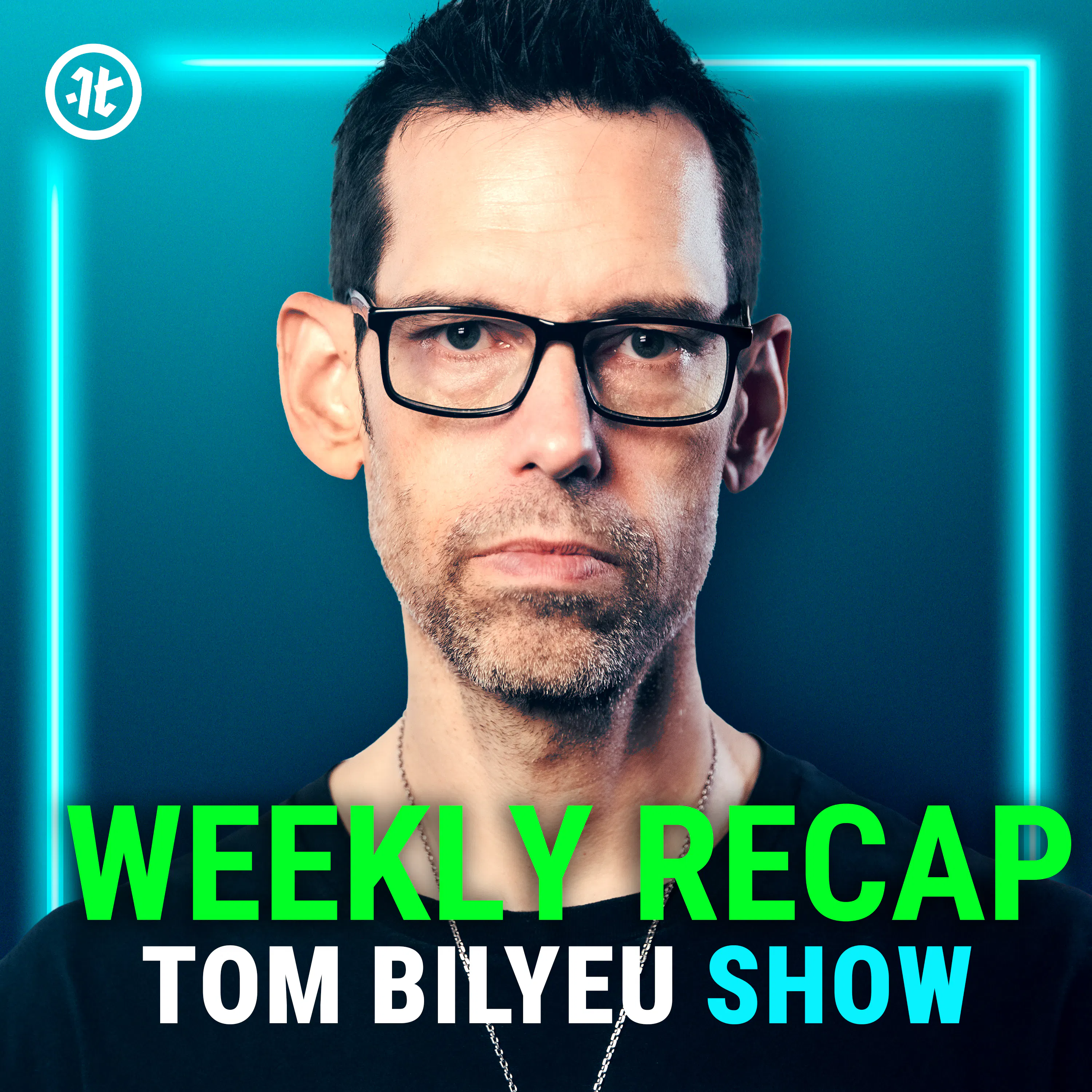
To manage Donald Trump's unpredictability, French hosts used informal choreography, like engineering a private meeting with Ukrainian President Zelenskyy. This strategic stage-management ensured direct communication occurred, highlighting the importance of soft power and back-channel orchestration in modern diplomacy.
Tom reads Trump's tweet and says the back-and-forth looks chaotic from outside. He maps Putin as a KGB manipulator who controls when the war ends and can take early concessions, rebuild his coffers, then reject terms. Without a hard line, Trump's desire for peace becomes leverage for Putin.
A peace plan, largely drafted without Ukrainian input and containing unfavorable terms, has emerged just as President Zelenskyy's government faces its biggest corruption crisis. This timing suggests the US may be using Ukraine's internal turmoil to push for otherwise unacceptable concessions.
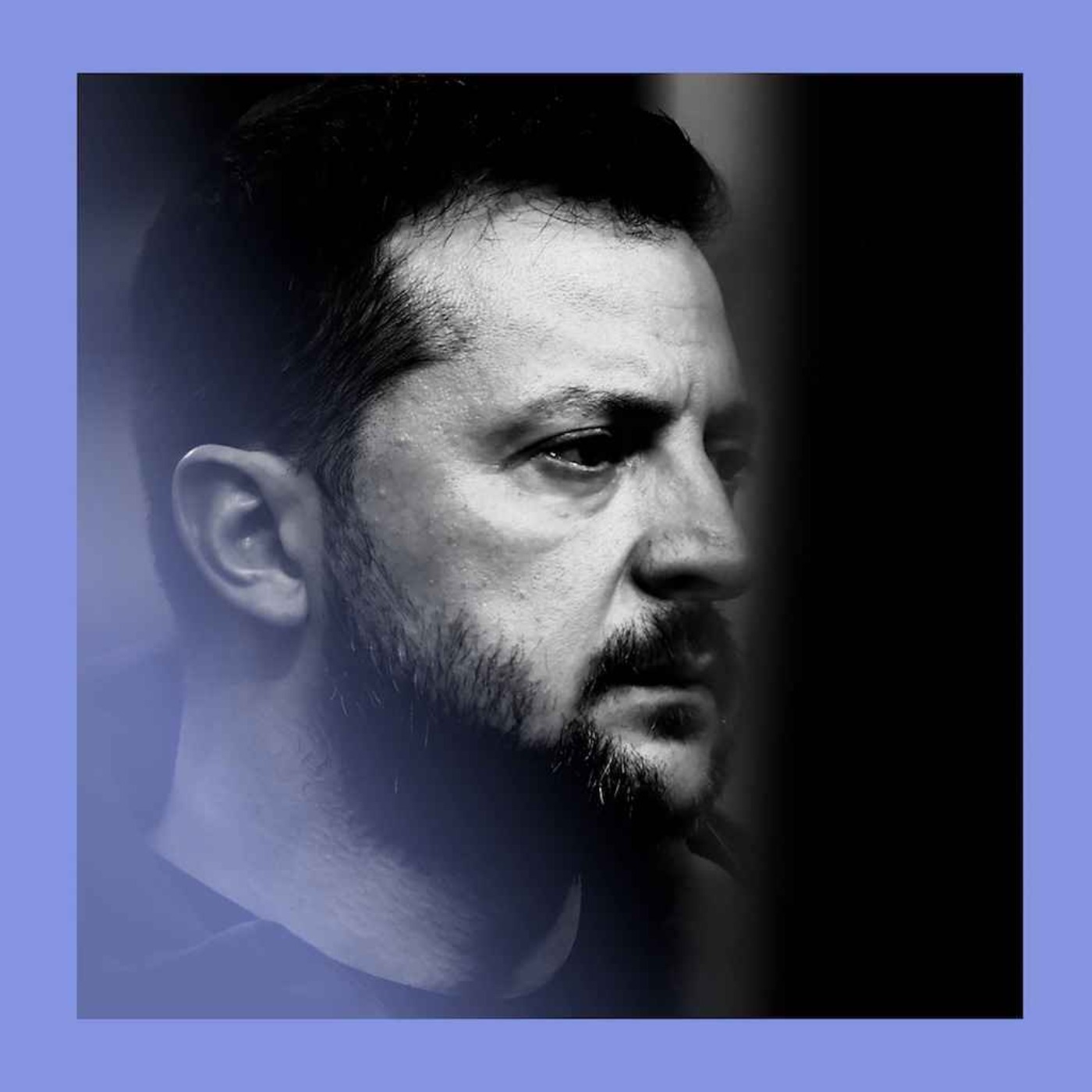
Reports say Putin is floating a summit with Trump and Xi; Scott Galloway says if Zelensky isn't at the table, Ukraine is on the menu. He compares abandoning Ukraine to partnering with 1940s Germany, notes most Americans side with Ukraine, and calls it the administration's most damaging long-term decision.

The proposed peace plan negotiated by private business figures asks Ukraine to cede heavily fortified territory that Russia has failed to capture despite years of fighting and immense casualties. This is not a peace deal but a demand for surrender that rewards Russian aggression by effectively giving away strategic land for free.

Despite rhetoric supporting protesters in Iran and Venezuela, the Trump administration's actions suggest a preference for replacing existing leaders with more compliant strongmen. In Venezuela, this meant dealing with Maduro's VP, indicating a pragmatic focus on control and stability over messy, long-term nation-building.

A core element of Trump's worldview is the belief that global affairs can be managed through personal relationships and deals between powerful leaders, bypassing institutions. This 'great power condominium' approach explains his attempts to charm leaders like Putin and Xi, believing his personal diplomacy can resolve complex structural issues.