Get your free personalized podcast brief
We scan new podcasts and send you the top 5 insights daily.
Reports say Putin is floating a summit with Trump and Xi; Scott Galloway says if Zelensky isn't at the table, Ukraine is on the menu. He compares abandoning Ukraine to partnering with 1940s Germany, notes most Americans side with Ukraine, and calls it the administration's most damaging long-term decision.

Related Insights
The strengthening diplomatic, economic, and military ties between Russia and China since the Ukraine invasion have created a powerful "axis of authoritarianism." This bloc, combining China's economic might with Russia's resources, represents a formidable and unified adversary to the US and Europe.

The conflict is not just regional but a proxy war between two ideologies: Western democracies versus an alliance of totalitarian states (Russia, Iran, North Korea, China). Non-aligned nations like India and Brazil are watching to see which system proves more resilient before choosing a side.

A peace plan, largely drafted without Ukrainian input and containing unfavorable terms, has emerged just as President Zelenskyy's government faces its biggest corruption crisis. This timing suggests the US may be using Ukraine's internal turmoil to push for otherwise unacceptable concessions.
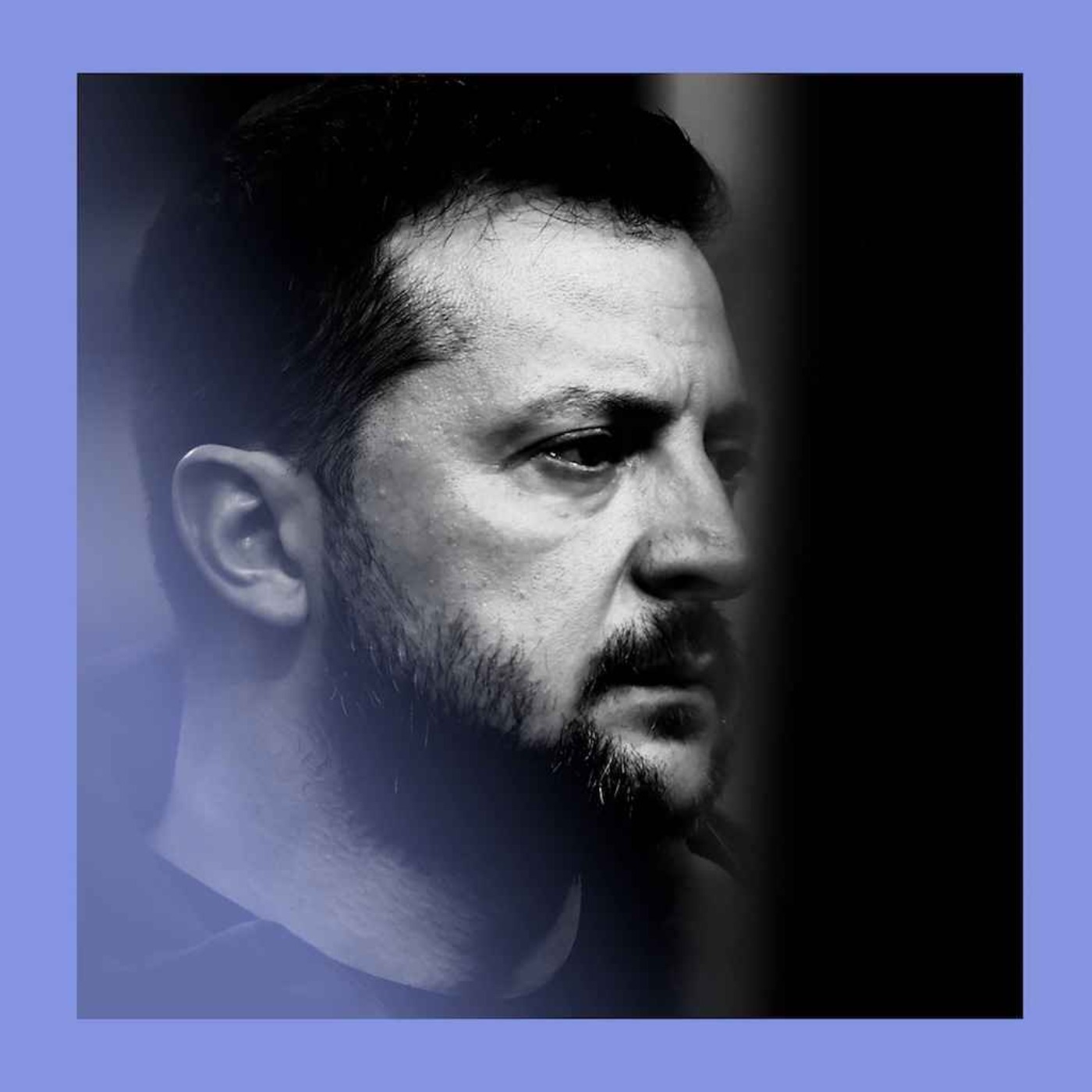
The outcome in Ukraine will determine the world's dominant governance model for the next 50 years. A Ukrainian victory would reignite global hope in democracy, while a Russian win would validate and supercharge the rise of authoritarian "strongman" governments.

The conflicts in Iran and Ukraine are not isolated events. They are viewed as part of a broader strategy by a China-Russia-Iran axis to stretch U.S. military and financial resources thin, creating a window of distraction for China to potentially move on Taiwan.
Europe faces a dual threat: an aggressive Russia waging hybrid warfare on its eastern flank, and a Trump-led America that actively prefers a fragmented, weaker Europe. A disunified EU allows the U.S. to cut more favorable bilateral deals, leaving Europe vulnerable from both sides without its traditional transatlantic security guarantee.

The proposed peace plan negotiated by private business figures asks Ukraine to cede heavily fortified territory that Russia has failed to capture despite years of fighting and immense casualties. This is not a peace deal but a demand for surrender that rewards Russian aggression by effectively giving away strategic land for free.

Snyder and Galloway argue that supporting Ukraine's defense is the most practical way to deter China from invading Taiwan. When a technologically sophisticated military successfully repels an invasion, it demonstrates to Beijing how costly offensive operations are against asymmetric technology in the 21st century. Snyder warns that withholding support from Ukraine undermines this deterrent, encouraging Chinese aggression and raising the likelihood of a hot war over Taiwan.
The war has transformed Russia's economy and military. A peace deal could unleash a battle-hardened, radicalized army, giving Putin an incentive to maintain the war footing and seek further incursions into Europe to avoid domestic disruption.
Anne Applebaum highlights a disturbing shift where high-stakes foreign policy, like the Ukraine peace plan, is conducted by businesspeople seeking personal financial gain. This mirrors the kleptocratic systems of autocratic states, prioritizing private profit over national or allied interests, and raises questions about who American foreign policy truly serves.