Get your free personalized podcast brief
We scan new podcasts and send you the top 5 insights daily.
To manage Donald Trump's unpredictability, French hosts used informal choreography, like engineering a private meeting with Ukrainian President Zelenskyy. This strategic stage-management ensured direct communication occurred, highlighting the importance of soft power and back-channel orchestration in modern diplomacy.
Related Insights
World leaders appear on Bret Baier's show because they know Donald Trump watches it religiously. This effectively transforms the news program into a de facto communication channel, allowing foreign leaders to pipe their messages directly to a key US political figure, bypassing traditional diplomatic routes.

Finland's president reveals that direct texting with counterparts like Donald Trump has become a key diplomatic tool. It allows for rapid information sharing, giving smaller nations influence. This creates a faster, more personal diplomatic web, but it is also fraught with risk, as informality can lead to public leaks and misinterpretations.

Formal communiques from summits like the G7 are often watered-down compromises. The event's real value comes from providing a rare venue for leaders to have informal, one-on-one discussions without advisors. These candid, unscripted interactions can foster progress where formal sessions fail.
The Trump-Xi summit appeared successful because it carefully avoided substantive engagement on the most difficult issues like Taiwan and trade imbalances. By creating positive atmospherics and "kicking the can down the road" on intractable problems, both leaders could claim a victory without making real concessions.
To secure commitments from Donald Trump, diplomat Momdani employed a highly personalized strategy. Instead of policy debate, he presented old newspaper clippings celebrating Trump's past achievements, directly appealing to his ego and desire for a positive legacy, proving to be a "Trump whisperer."

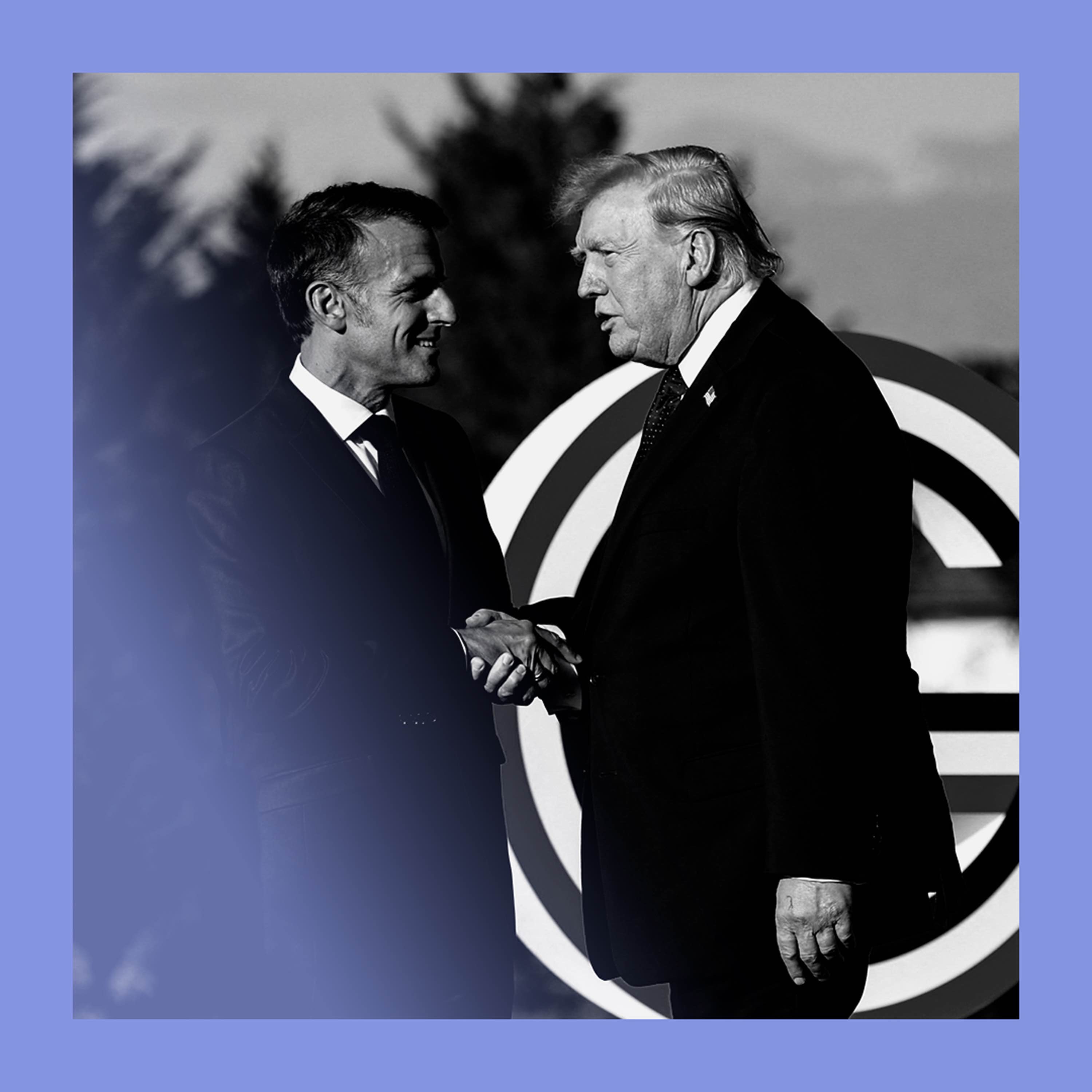
French President Macron's primary goal for the G7 was not groundbreaking policy, but ensuring Donald Trump remained engaged. This redefines diplomatic success as simply managing disruptive personalities and preventing chaos, a significant lowering of expectations for such high-level meetings.
Instead of fearing Trump's unpredictability, foreign leaders can manipulate it. By appealing to his desire for a 'peace through strength' legacy and his need to showcase American power, a country like Mexico could secure significant military and economic aid by framing it as a clear win for him.
A summit like the Trump-Xi meeting, which includes an entourage of top CEOs, is too high-profile to risk failure. Its primary purpose is likely ceremonial, designed to publicly ratify significant deals that have already been secretly negotiated to avoid political embarrassment and ensure a successful outcome.

Leaked communications reveal a conscious strategy to manipulate Donald Trump in negotiations. By advising Russian counterparts to begin calls by praising Trump's past deals, negotiators like Witkoff leverage his psychological vulnerabilities to steer conversations toward a favorable outcome.

A core element of Trump's worldview is the belief that global affairs can be managed through personal relationships and deals between powerful leaders, bypassing institutions. This 'great power condominium' approach explains his attempts to charm leaders like Putin and Xi, believing his personal diplomacy can resolve complex structural issues.