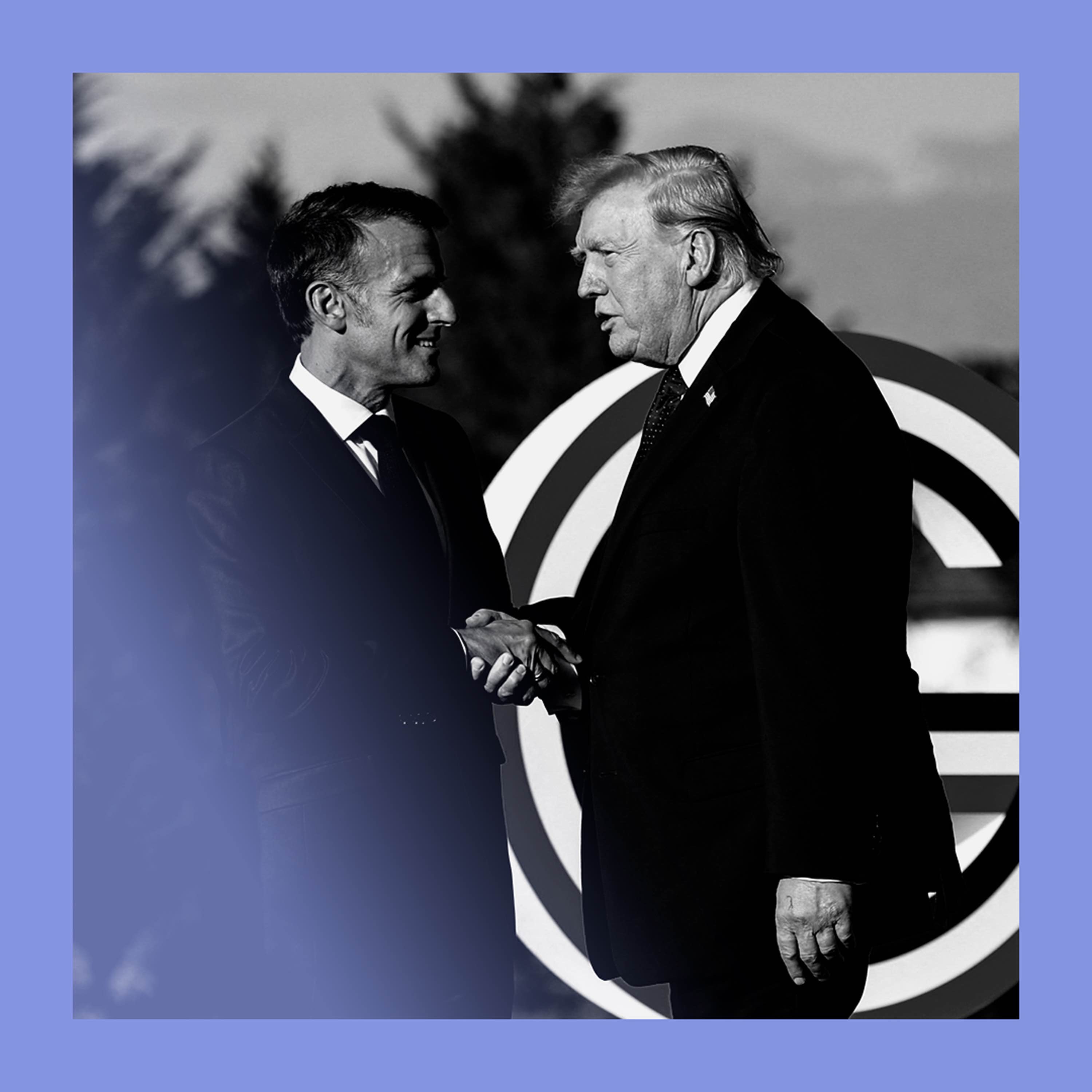
To manage Donald Trump's unpredictability, French hosts used informal choreography, like engineering a private meeting with Ukrainian President Zelenskyy. This strategic stage-management ensured direct communication occurred, highlighting the importance of soft power and back-channel orchestration in modern diplomacy.
Formal communiques from summits like the G7 are often watered-down compromises. The event's real value comes from providing a rare venue for leaders to have informal, one-on-one discussions without advisors. These candid, unscripted interactions can foster progress where formal sessions fail.
The success of Britain's 'Country Life' magazine shows that niche publications can thrive by selling a consistent, idealized philosophy. By focusing on idyllic rural life and ignoring global crises, it offers readers a comforting escape and reinforces a specific vision of England, proving that escapism is a viable media strategy.
The recent visibility of street prostitution in Tokyo has become a proxy for deeper national anxieties. Observers link it to Japan's economic stagnation and a 'wounded pride' that the nation is now a destination for sex tourism—a reversal of its boom-era status.
Japan's prostitution laws are designed with intentional vagueness that allows a massive indoor sex industry to operate. Establishments use transparently thin pretexts, like 'soap lands' where clients pay for a bath, not sex, to circumvent laws that are selectively enforced, prioritizing keeping vice out of public view.
French President Macron's primary goal for the G7 was not groundbreaking policy, but ensuring Donald Trump remained engaged. This redefines diplomatic success as simply managing disruptive personalities and preventing chaos, a significant lowering of expectations for such high-level meetings.