Get your free personalized podcast brief
We scan new podcasts and send you the top 5 insights daily.
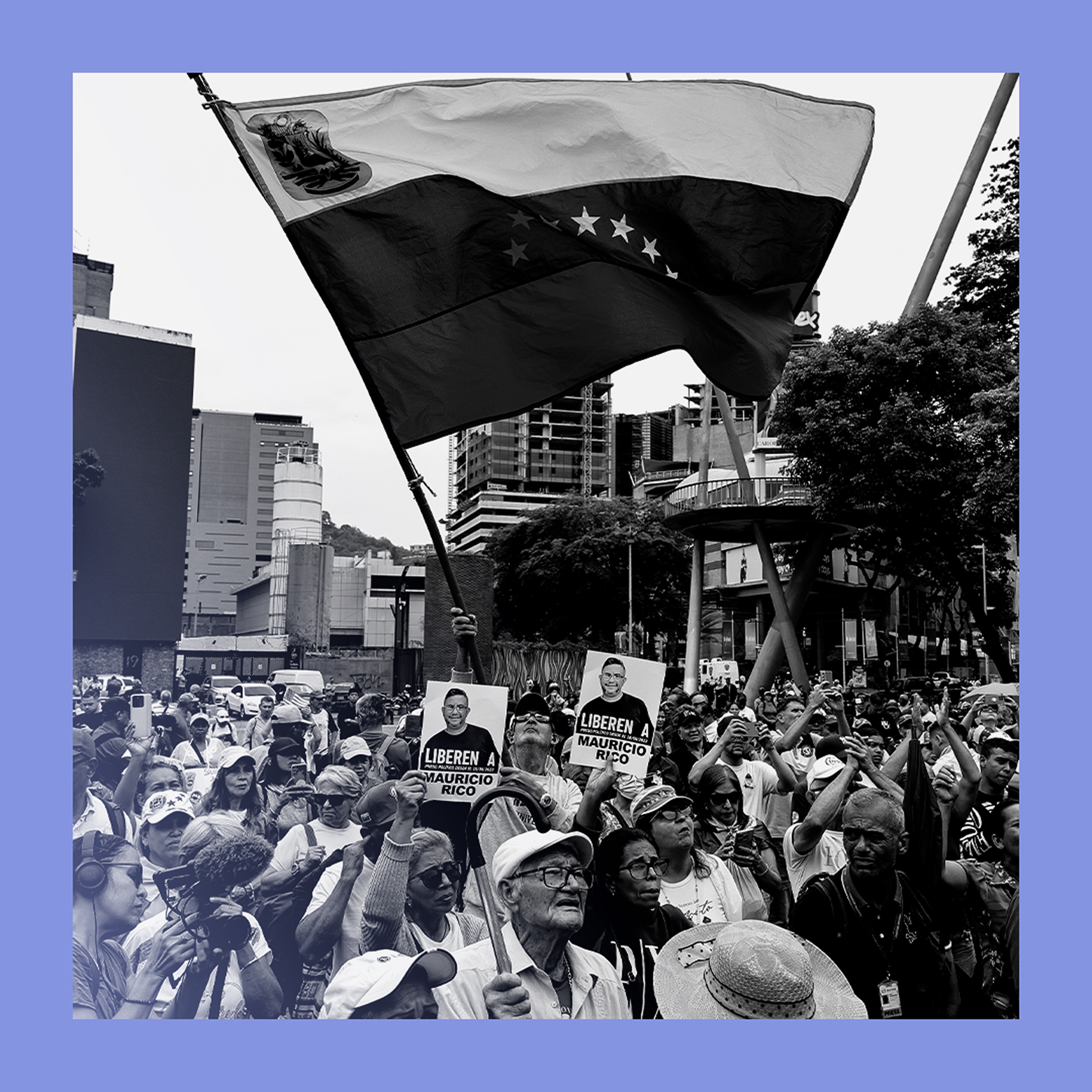
The US raid seizing Nicolás Maduro created a striking feeling of optimism and reduced fear in Venezuela. Citizens began attending opposition rallies openly, despite Maduro's deputy and the broader Chavismo movement remaining in power. This highlights the immense symbolic power of removing a dictator.
Related Insights
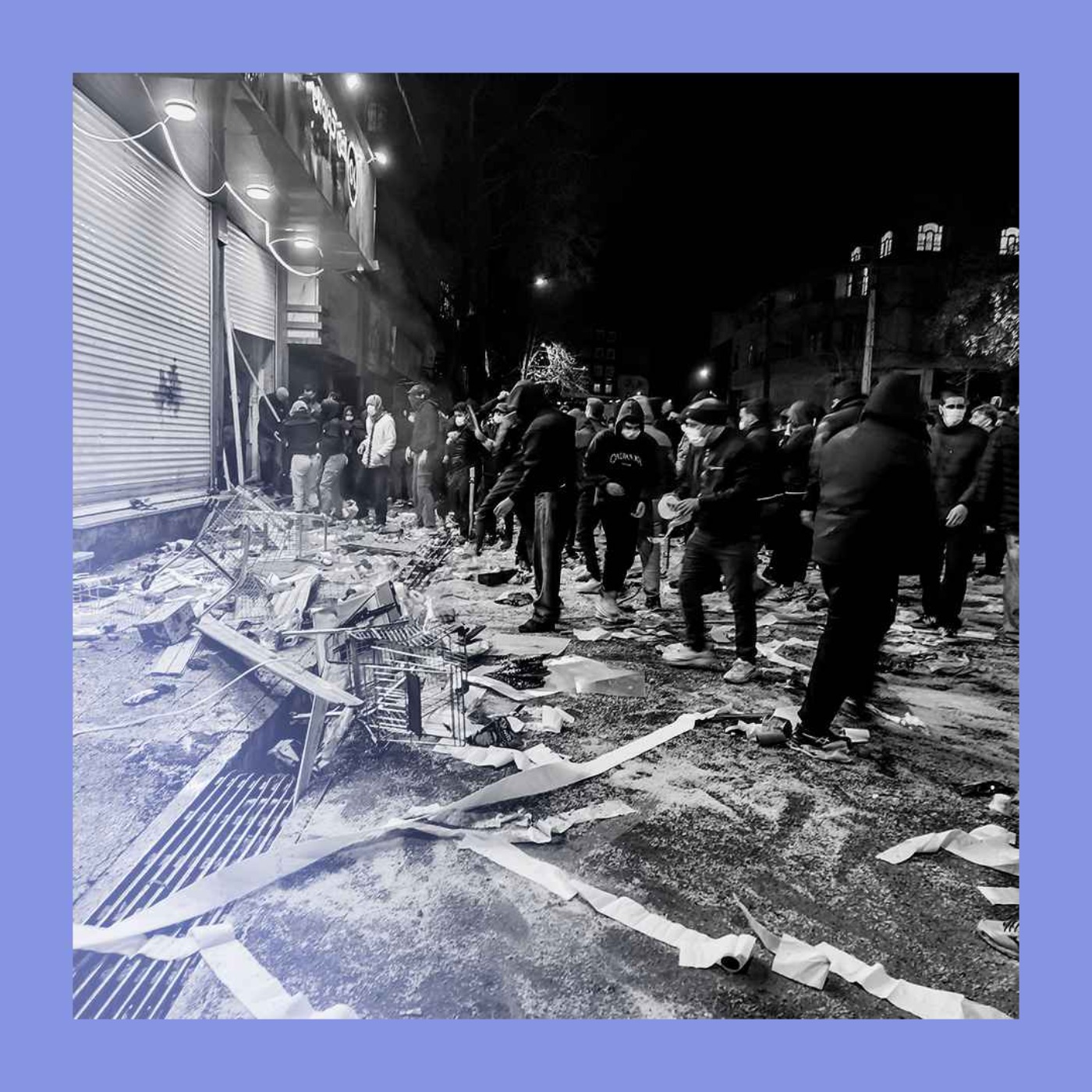
The US raid to capture Venezuela's president has sparked talk within Iran's elite about a similar "solution": removing Supreme Leader Khamenei to appease protestors and preserve the system, rather than allowing it to collapse entirely under external and internal pressure.
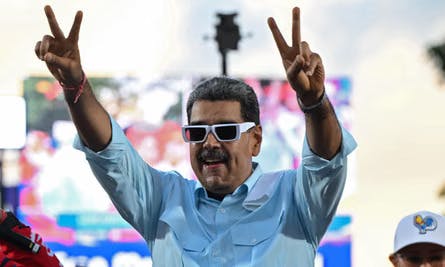
The successful removal of Maduro is a significant failure for Cuban intelligence services, which have a long history of protecting allied regimes in Latin America. For decades, Cuba has 'punched above its weight,' providing a security shield to leaders like Maduro. This event raises questions about the decline of their once-feared capabilities.
Venezuela's transition showcases a dual reality. While citizens now feel free enough to hold mass protests and political rallies, the state continues to hold hundreds of political prisoners and subject released individuals to intense surveillance, like house arrest with 24/7 guards. Freedom is not monolithic.
Contrary to perceptions of a deeply divided country, Ricardo Hausmann argues Venezuela has a massive political majority unified for change. He cites recent election results where the opposition won 70-30 even in military bases, framing the conflict as a small, repressive clique versus a united populace, unlike a fractured state like Iraq.

Despite the public focus on oil, the primary goal of removing Maduro was likely to demonstrate U.S. primacy in the Western Hemisphere. The action serves as a strong signal that the U.S. is willing to act aggressively to enforce its influence in the region.
The U.S. action in Venezuela should be viewed as 'regime alteration.' Unlike the failed Iraq strategy of dismantling a state, this was a targeted move to swap a leader aligned with China and Russia for one answerable to the U.S. It’s a pragmatic assertion of influence, not an idealistic attempt at democratization.

Contrary to the assumption that U.S. military action is unwelcome in the region, polling reveals significant support. 53% of Latin Americans and 64% of the Venezuelan diaspora would back an intervention to remove Nicolas Maduro, highlighting a major disconnect with the skepticism of the American public.

The US action to remove Maduro was not a traditional regime change. The goal was to eliminate the leader personally while leaving his party and government apparatus largely intact, suggesting a strategic choice to avoid the instability of a full power vacuum.
By leaving the existing Chavista power structure largely intact after removing Maduro, the U.S. is applying a key lesson from Iraq: avoiding a power vacuum and the chaos of de-Ba'athification is paramount for stability.

The widespread expectation for elections in Venezuela is not rooted in domestic institutional strength, but in faith in US political figures like Donald Trump and Marco Rubio to apply pressure. This reliance on external actors, combined with hope in a single leader, Maria Machado, creates a fragile foundation for a sustainable democratic transition.