Get your free personalized podcast brief
We scan new podcasts and send you the top 5 insights daily.
By leaving the existing Chavista power structure largely intact after removing Maduro, the U.S. is applying a key lesson from Iraq: avoiding a power vacuum and the chaos of de-Ba'athification is paramount for stability.

Related Insights
A former NSC official reflects that the U.S. missed a key window of opportunity after Hugo Chavez's death. By choosing to "manage" the situation rather than applying strong pressure on a then-unpopular Nicolas Maduro, the U.S. lost a chance to shape a different outcome.
Iraq's massive 80% debt write-off was an anomaly driven by the Bush administration's goal of building a stable democratic ally. The U.S. directly ran the country and had strong political motives for deep debt relief. This unique context is absent in Venezuela's case, making the Iraq precedent a poor guide.

The raid on Maduro is presented as an opportunity for special forces units to demonstrate their value to an administration wary of large, troop-intensive occupations. This "surgical strike" model offers a politically palatable alternative to the costly nation-building efforts of the 2000s in Iraq and Afghanistan.
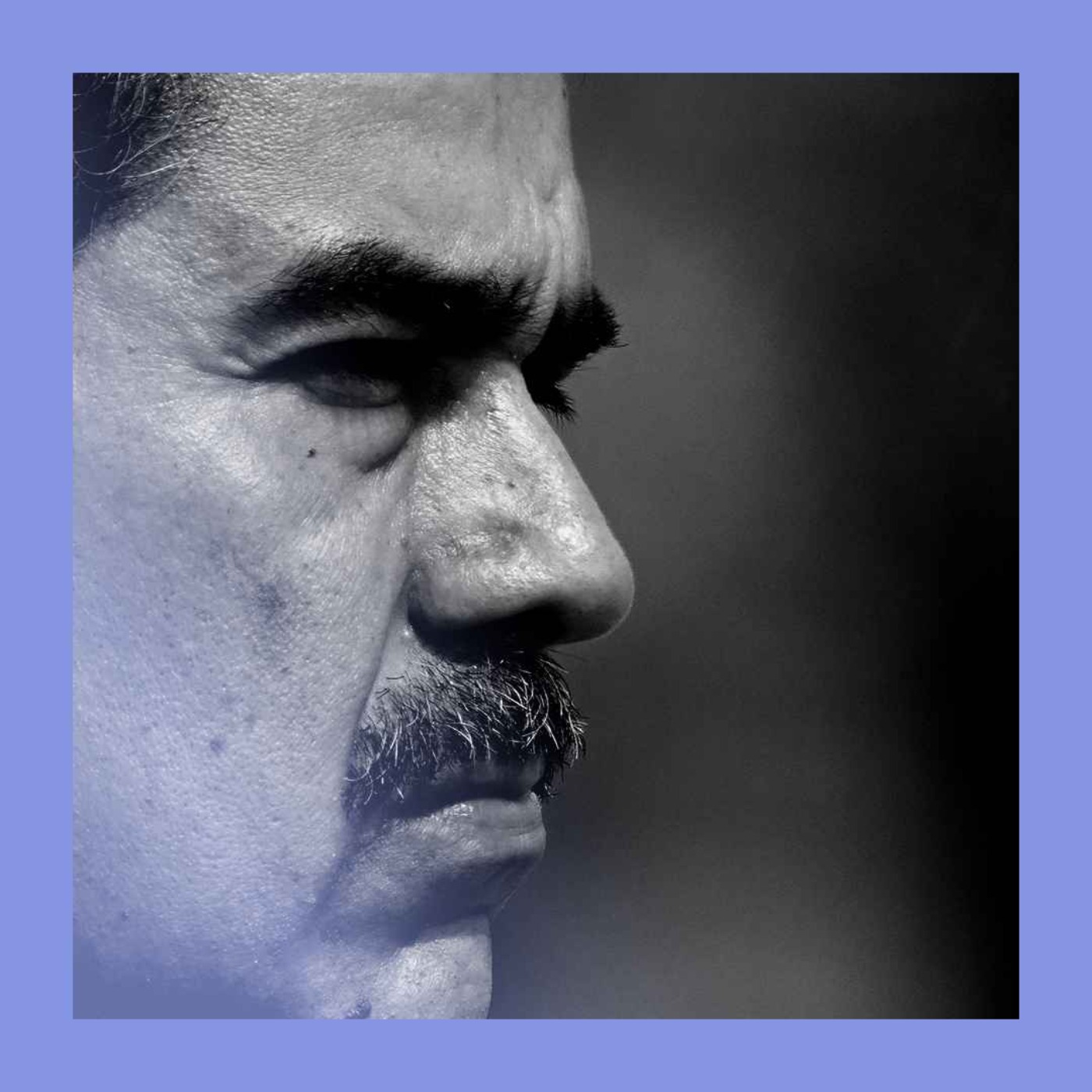
The Trump administration is depicted as ignoring Venezuela's legitimately elected opposition leader and instead choosing to work with the former vice president. This suggests a strategy prioritizing controllable stability with a regime figure over supporting a democratically elected but potentially less predictable leader.
Despite the public focus on oil, the primary goal of removing Maduro was likely to demonstrate U.S. primacy in the Western Hemisphere. The action serves as a strong signal that the U.S. is willing to act aggressively to enforce its influence in the region.
The U.S. strategy appears to be maintaining a weakened Chavista regime to ensure stability and access to oil, effectively turning Venezuela into a resource colony without genuine political change for its people.
The "absolutely clinical" US raid to capture Venezuela's president is lauded as a military success. However, historical precedents from Afghanistan in 2001 and Iraq in 2003 show that initial military prowess in toppling a regime is no guarantee of long-term strategic success, which depends on far more complex political factors.
Knowing they cannot win a conventional war, Venezuela's military doctrine relies on asymmetrical warfare. Their key leverage is the credible threat to unleash chaos via guerrillas and gangs, making the country ungovernable for any occupying force.
The US action to remove Maduro was not a traditional regime change. The goal was to eliminate the leader personally while leaving his party and government apparatus largely intact, suggesting a strategic choice to avoid the instability of a full power vacuum.
Interim President Delcy Rodriguez's authority stems from her unique ability to engage with international actors like the U.S., a skill her powerful military rivals lack. This makes her both indispensable and vulnerable within the regime.