Get your free personalized podcast brief
We scan new podcasts and send you the top 5 insights daily.
Contrary to perceptions of a deeply divided country, Ricardo Hausmann argues Venezuela has a massive political majority unified for change. He cites recent election results where the opposition won 70-30 even in military bases, framing the conflict as a small, repressive clique versus a united populace, unlike a fractured state like Iraq.

Related Insights
The U.S. action in Venezuela should be viewed as 'regime alteration.' Unlike the failed Iraq strategy of dismantling a state, this was a targeted move to swap a leader aligned with China and Russia for one answerable to the U.S. It’s a pragmatic assertion of influence, not an idealistic attempt at democratization.

Venezuela's remaining leadership can adopt a strategy of "playing for time." By appearing cooperative while delaying substantive changes, they can wait for events like the US midterms to increase domestic political pressure on the administration, making sustained intervention unpopular and difficult to maintain. The weaker state's best defense is the superpower's internal clock.
Polling reveals a paradox in Venezuela: high approval for the Trump administration coexists with overwhelming support for opposition leader Maria Corina Machado. This is in direct conflict with Trump's backing of Maduro's former VP, creating a tense dynamic where US policy is misaligned with the clear democratic will of the people.
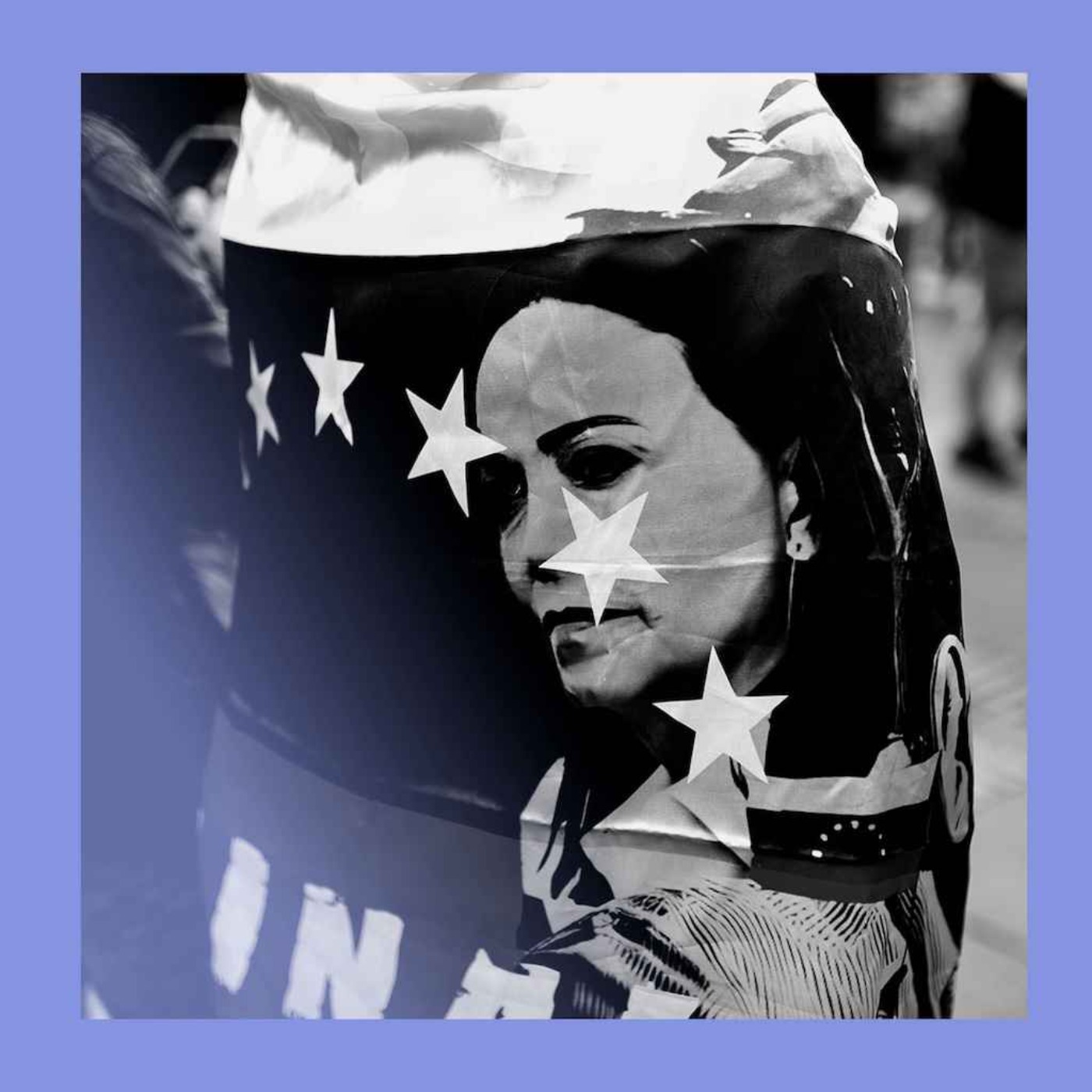
While the Trump administration backs Delcy Rodriguez for perceived stability, polling shows Venezuelans overwhelmingly demand new elections within a year. This clash between the US focus on a managed transition and the populace's desire for immediate democracy creates a high-stakes environment where ignoring the public will could ironically lead to more instability.
To crush popular dissent after losing an election, the Maduro regime escalated to what international bodies label "state terrorism." This included imprisoning not just activists but also their family members and even citizens who merely posted a supportive picture online, aiming to terrify the entire population into silence.
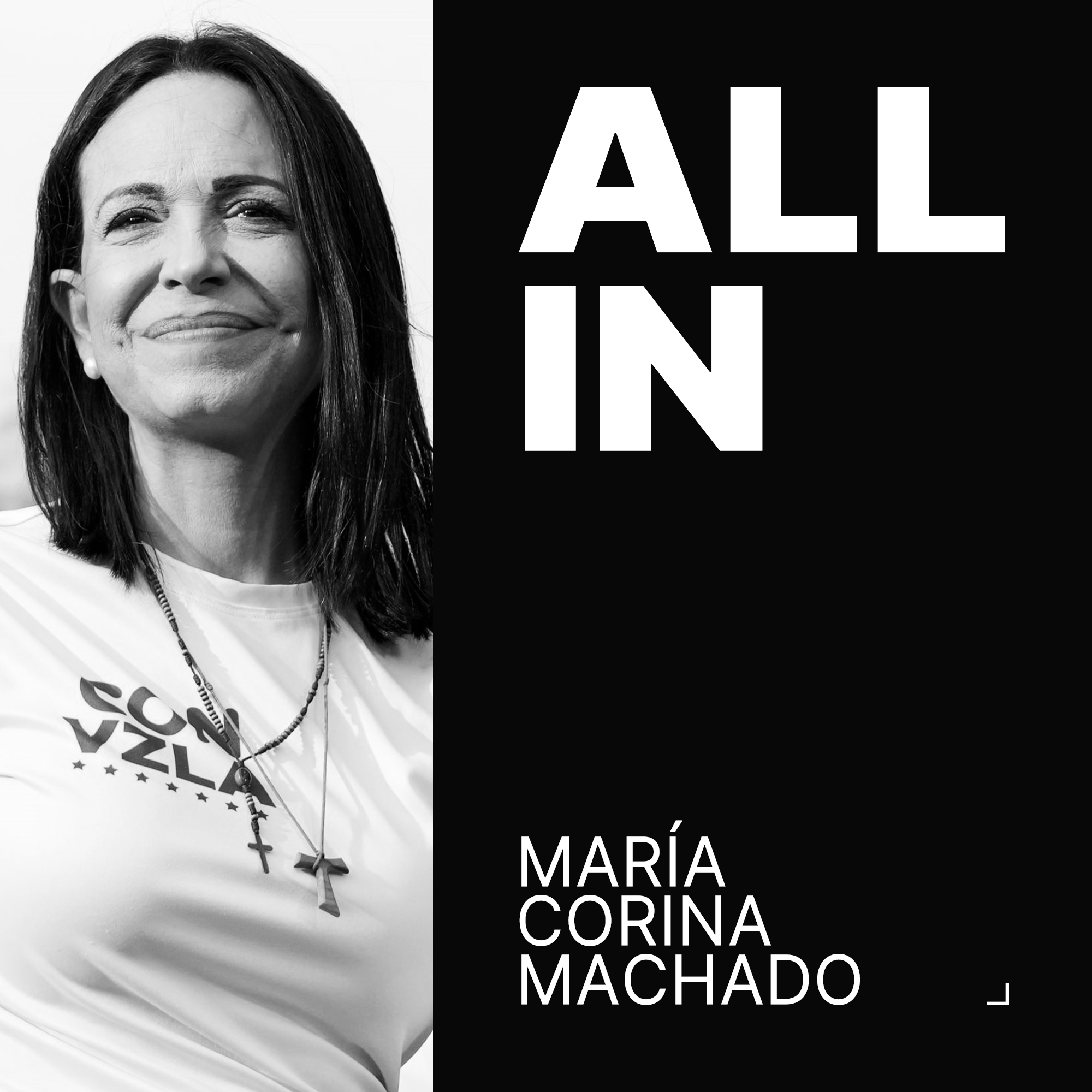
Contrary to the assumption that U.S. military action is unwelcome in the region, polling reveals significant support. 53% of Latin Americans and 64% of the Venezuelan diaspora would back an intervention to remove Nicolas Maduro, highlighting a major disconnect with the skepticism of the American public.

The US action to remove Maduro was not a traditional regime change. The goal was to eliminate the leader personally while leaving his party and government apparatus largely intact, suggesting a strategic choice to avoid the instability of a full power vacuum.
Interim President Delcy Rodriguez's authority stems from her unique ability to engage with international actors like the U.S., a skill her powerful military rivals lack. This makes her both indispensable and vulnerable within the regime.

By leaving the existing Chavista power structure largely intact after removing Maduro, the U.S. is applying a key lesson from Iraq: avoiding a power vacuum and the chaos of de-Ba'athification is paramount for stability.
A key element of Venezuela's economic paralysis is that the country's vast human capital—the eight million people who left—will not return without fundamental changes. The regime's survival depends partly on this stalemate, as a mass return of talent and investment requires a restoration of freedom, safety, and property rights that would threaten its power.