Get your free personalized podcast brief
We scan new podcasts and send you the top 5 insights daily.
The argument posits that allowing paramilitary groups like cartels to operate is analogous to letting a tumor metastasize. The necessary response, though devastating and violent like chemotherapy, must be a massive military push to 'smash these guys into oblivion,' as tolerating their existence is a fatal choice for the nation.

Related Insights
The raid on Maduro is presented as an opportunity for special forces units to demonstrate their value to an administration wary of large, troop-intensive occupations. This "surgical strike" model offers a politically palatable alternative to the costly nation-building efforts of the 2000s in Iraq and Afghanistan.
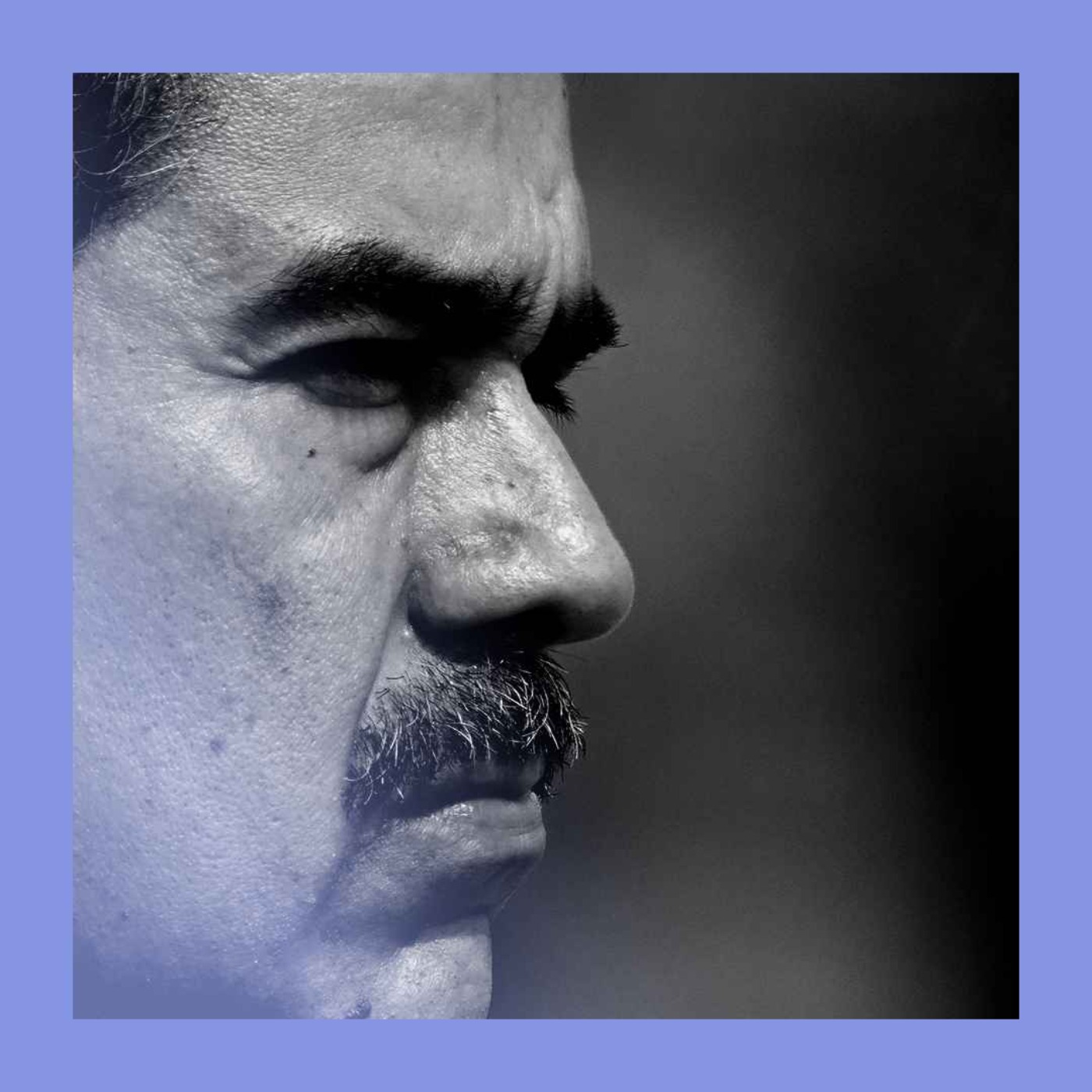
The US has established a precedent of using military force to apprehend fugitives abroad based on domestic legal actions, as seen with Noriega in 1989 and Maduro now. This practice blurs the line between law enforcement and an act of war, creating a thin legal justification for military intervention without traditional congressional or international approval.
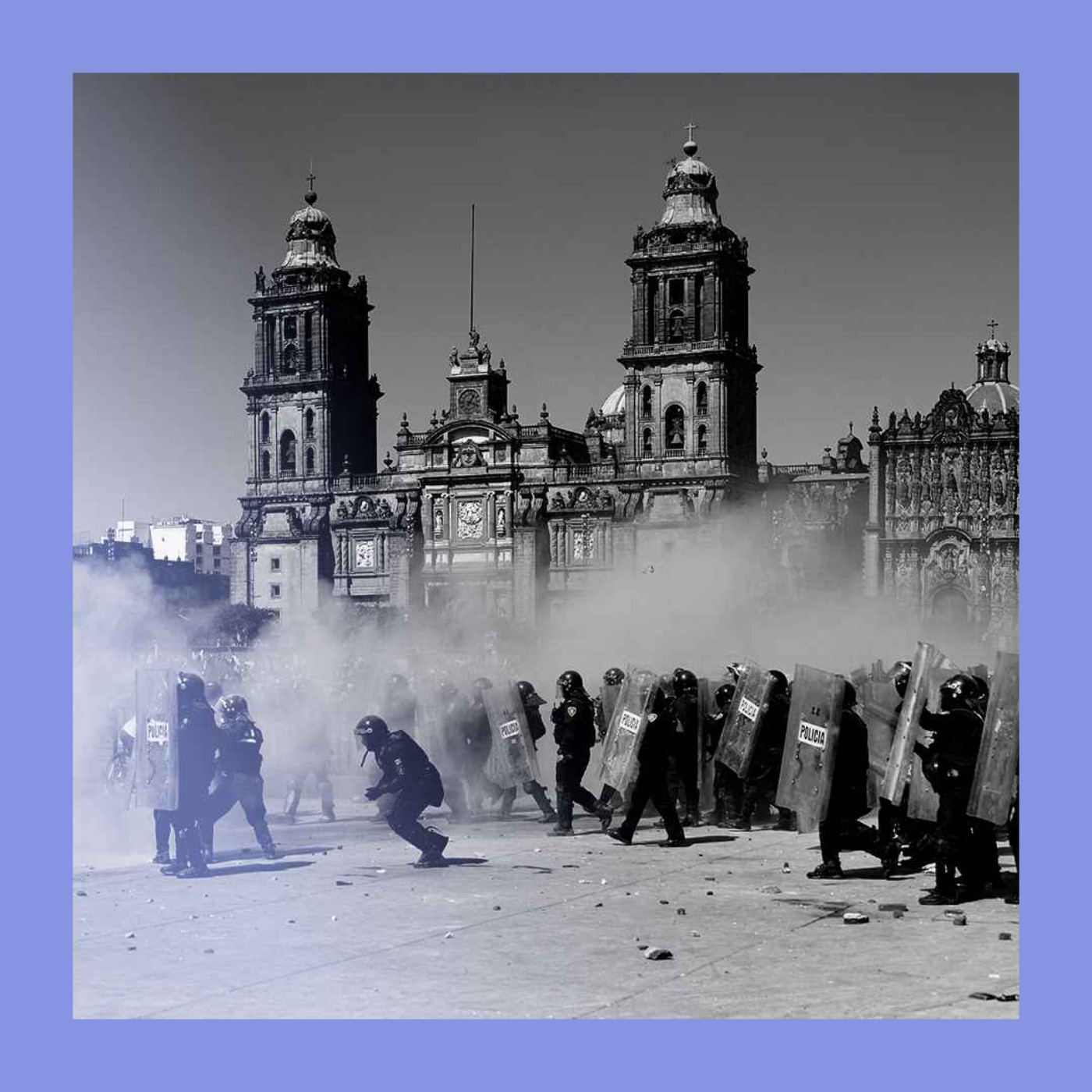
The successful crackdown on the relatively business-minded Sinaloa cartel created a power vacuum. This void was filled by the more brutal Jalisco New Generation Cartel, which uses extreme violence as its primary business model. This inadvertently worsened the security situation by replacing a predictable actor with a chaotic one.

President Claudia Scheinbaum's hesitant response to cartel violence is framed not as weakness, but as a calculated political gamble. She may believe letting the violence 'blow over' is less risky than an all-out war that could threaten her family and destabilize her government.
Mexico's progress against crime is highly localized. While states like Zacatecas see murder rates fall steeply due to methodical police reform, others like Sinaloa remain nightmarish 'war zones' controlled by cartels. This demonstrates that national-level policies do not produce uniform results on the ground.
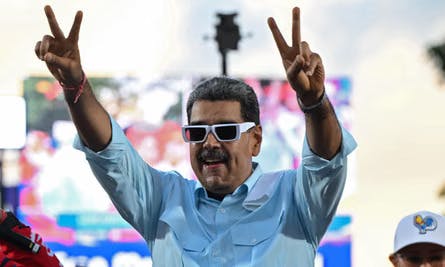
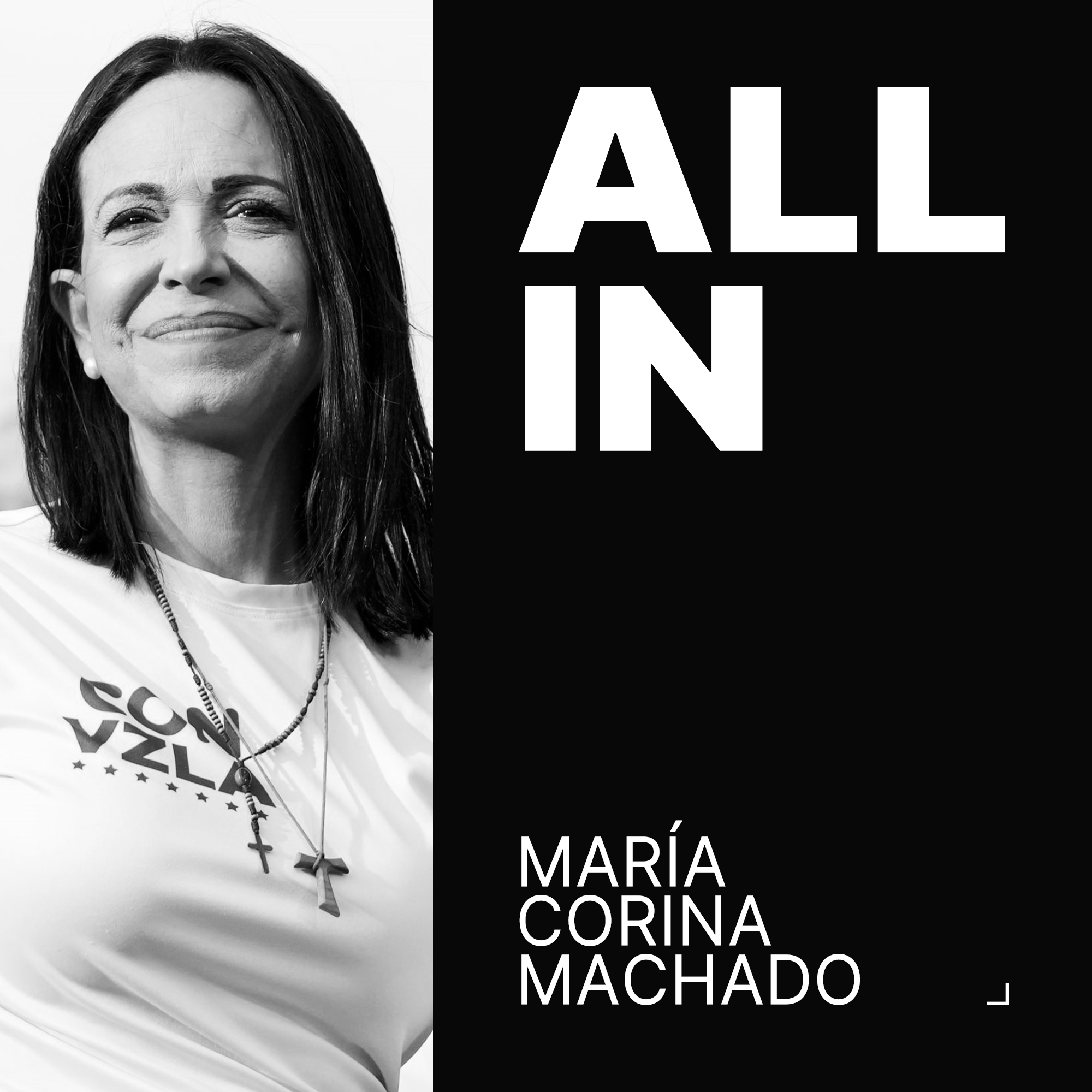
The Maduro regime is not just a corrupt petrostate; it is a diversified criminal enterprise. It has expanded into drug trafficking, gold smuggling, and human trafficking, turning Venezuela into a safe haven for global criminal networks, terrorist groups, and adversaries like Russia and Iran.
The nature of cartel violence in Mexico has shifted from traditional drug wars to battles for local economic power. Cartels are deeply integrated into the economy and government, competing for diversified revenue streams like fuel theft, extortion, and control over local supply chains.

The public narrative of fighting narco-terrorism in Venezuela is a red herring. The true strategic goal is to justify a U.S. military presence in the Caribbean to counter China's growing economic and military investments in the region, including control of key shipping routes and military partnerships.
Knowing they cannot win a conventional war, Venezuela's military doctrine relies on asymmetrical warfare. Their key leverage is the credible threat to unleash chaos via guerrillas and gangs, making the country ungovernable for any occupying force.

An ideologue, even an anarchist advocating against the state, may support a massive state action if it serves a higher strategic purpose—in this case, disrupting a system they oppose. The perceived hypocrisy is dismissed as irrelevant when compared to the desired outcome, framing it as a solution, not a preferred method of governance.
