Get your free personalized podcast brief
We scan new podcasts and send you the top 5 insights daily.
Atlas Bar's founder challenges the belief that CPGs require massive upfront capital. He de-risks by testing concepts cheaply, committing more funds only after seeing resonance. His most recent brand cost just $340 for design before a larger inventory purchase, proving the lean startup model is viable for physical products.

Related Insights
Moiz Ali de-risked his $100M CPG company by first identifying that natural deodorant was a top seller on Etsy. He then contacted a maker on the platform to white-label the initial product. This allowed him to validate market demand and test distribution before investing in R&D or manufacturing.

Instead of building a coffee shop, the founders tested their 'one-item menu' concept by creating a TikTok video and design mockups. The posts generated millions of impressions, confirming massive market interest and de-risking the venture before any significant capital was spent.

To launch Diapers.com with minimal capital, founder Mark Lohr fulfilled early orders by purchasing products from wholesale clubs for more than he sold them for online. This allowed him to validate the business model before securing inventory and optimizing logistics.

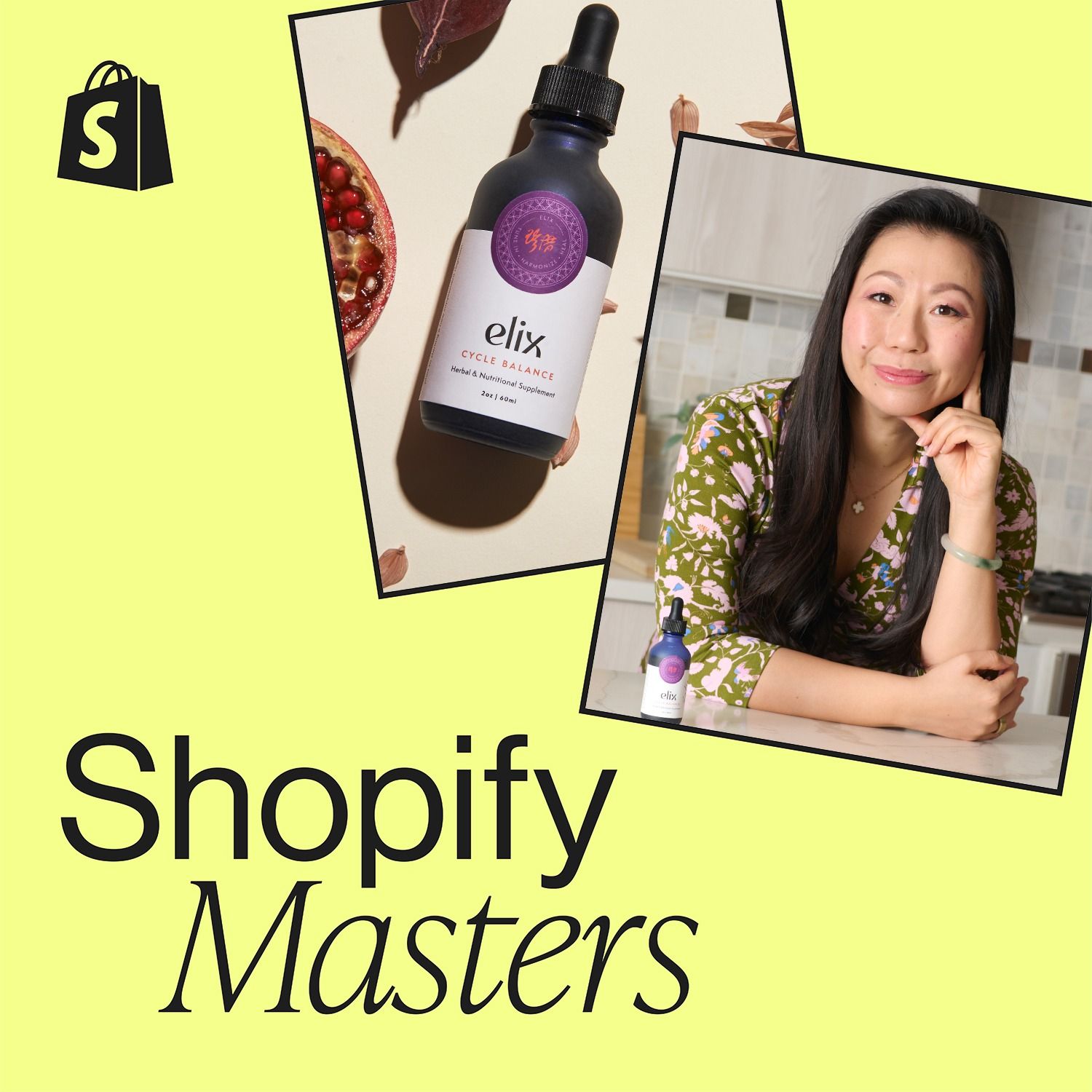
Elix founder Lulu Ge launched a beta test called "#periodpainfree" with basic packaging. This allowed her to gauge real-world demand from strangers online before committing resources to a full brand launch, proving the concept's viability cheaply and effectively.
Before launching, assess a product's viability by the sheer number of potential distribution points. Manufacturing and logistics are solvable problems if the market access is vast. This reverses the typical product-first approach by prioritizing market penetration from day one.

Instead of paying for traditional focus groups, early-stage founders can post product ideas, like packaging designs, on social media. This provides an instantaneous and free feedback loop directly from potential customers, enabling rapid, data-informed iteration before committing to costly production.
Before raising significant capital or manufacturing its product, Liquid Death's founder created a fake brand on Facebook. A $1,500 commercial generated millions of views and tens of thousands of followers, proving market demand and de-risking the venture for early investors.

To de-risk their unconventional idea, Liquid Death created a fake ad and a Facebook page to test market reception. They secured millions of views and 80,000 followers, proving demand and generating traction that was crucial for raising capital, turning a concept into an investable business.

The founder of Buzz Balls, a former teacher, scaled her ready-to-drink cocktail company to a nine-figure acquisition without ever raising venture capital. She bootstrapped the business using a small inheritance, maxed-out credit cards, and a community bank loan, proving massive CPG success is still possible outside the VC ecosystem.

Instead of a traditional big-bang retail launch, Magic Mind first sold direct-to-consumer (D2C). This allowed for 150+ product iterations based on direct customer feedback, ensuring product-market fit *before* scaling into high-stakes retail channels, a strategy borrowed from software development.
