Get your free personalized podcast brief
We scan new podcasts and send you the top 5 insights daily.
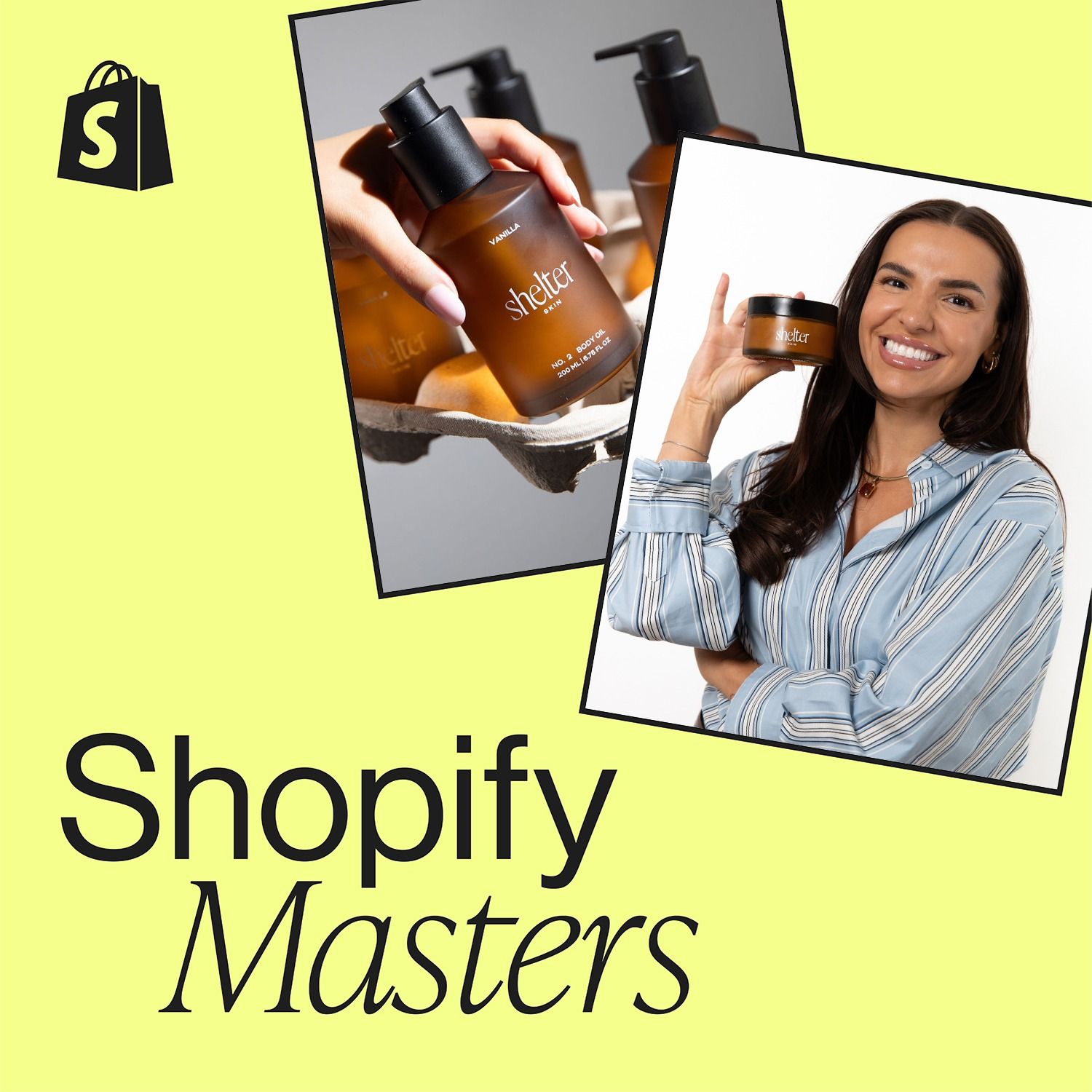
Instead of paying for traditional focus groups, early-stage founders can post product ideas, like packaging designs, on social media. This provides an instantaneous and free feedback loop directly from potential customers, enabling rapid, data-informed iteration before committing to costly production.
Related Insights
For products with a short shelf life, building a pre-launch audience on social media is crucial. This ensures you have immediate demand for your first batch, preventing waste from unsold inventory and validating the product before it's even made.
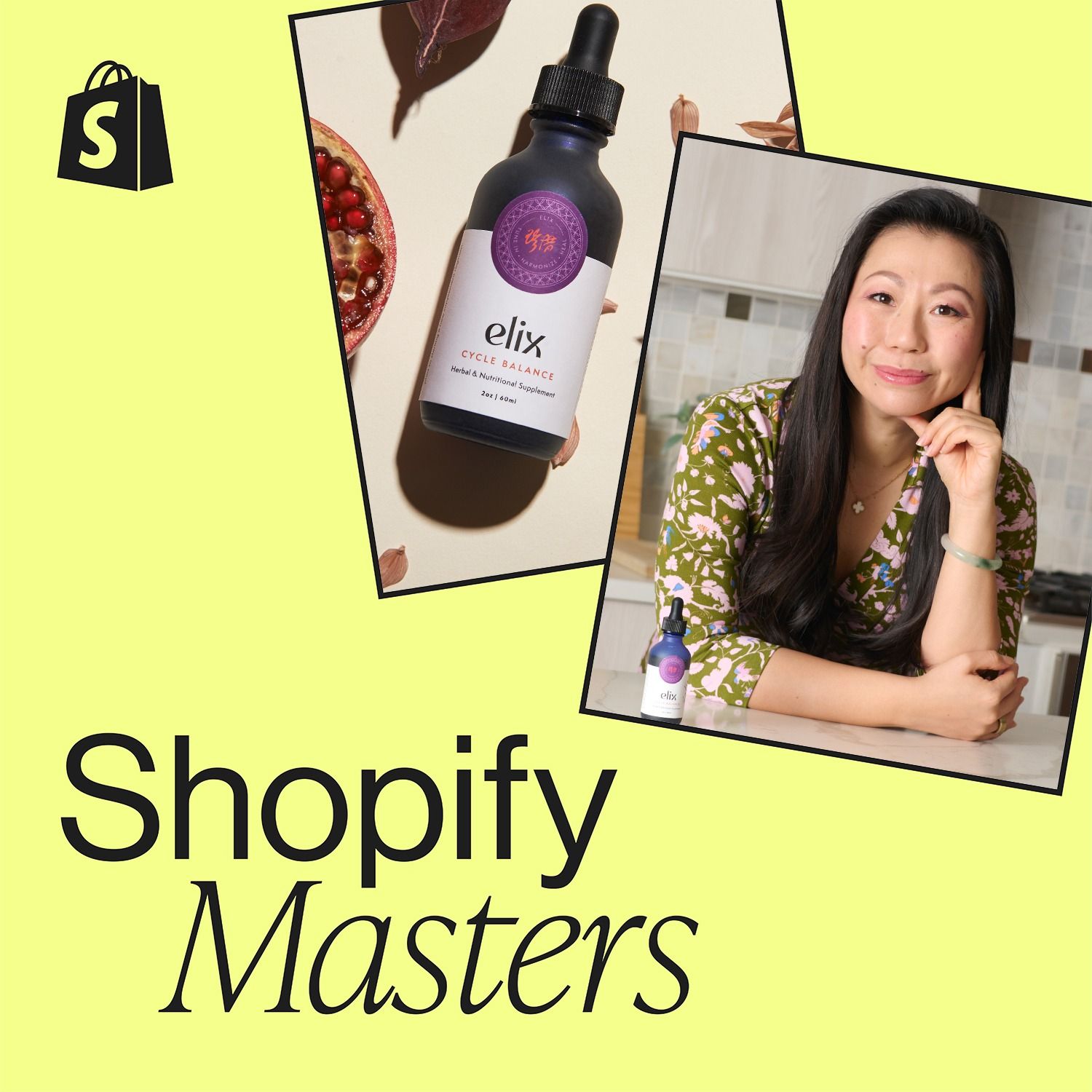
Elix founder Lulu Ge launched a beta test called "#periodpainfree" with basic packaging. This allowed her to gauge real-world demand from strangers online before committing resources to a full brand launch, proving the concept's viability cheaply and effectively.
To test an idea like flavored creatine for women, use an AI image generator to create mockups. Post these images on Facebook Marketplace, a low-friction platform, to gauge interest via views, clicks, and messages before investing in product development. This provides quick, cheap data.

Instead of building an MVP, pitch a one-liner about your solution to a target audience and gauge their reaction. Passionate, unsolicited stories about their pain points signal strong problem-solution fit. This method provides objective validation with minimal resources.
For physical products, changes between versions are costly and slow. Solgaard launches on Kickstarter to get early adopter feedback on features before the first mass production run. This allows them to effectively release a more refined "version two" as their initial market product.
Instead of a traditional product launch, gauge market interest by tweeting about a personal problem and asking if others share it, framed as "Thinking of building an app...". This validates the idea and creates an initial beta list from interested replies before you invest heavily in development.

Rather than using formal focus groups, Float validated its bold billboard concepts by involving a small group of existing, friendly customers in the creative process. This provided crucial feedback and built conviction without incurring significant extra cost or time.

Instead of building a full app, creating a compelling video of a unique UI/UX concept and posting it on social media can validate demand. For a calorie tracking app in a saturated market, a viral video showcasing a novel interaction pattern generated an 800-person waitlist, proving product-market fit before significant development.
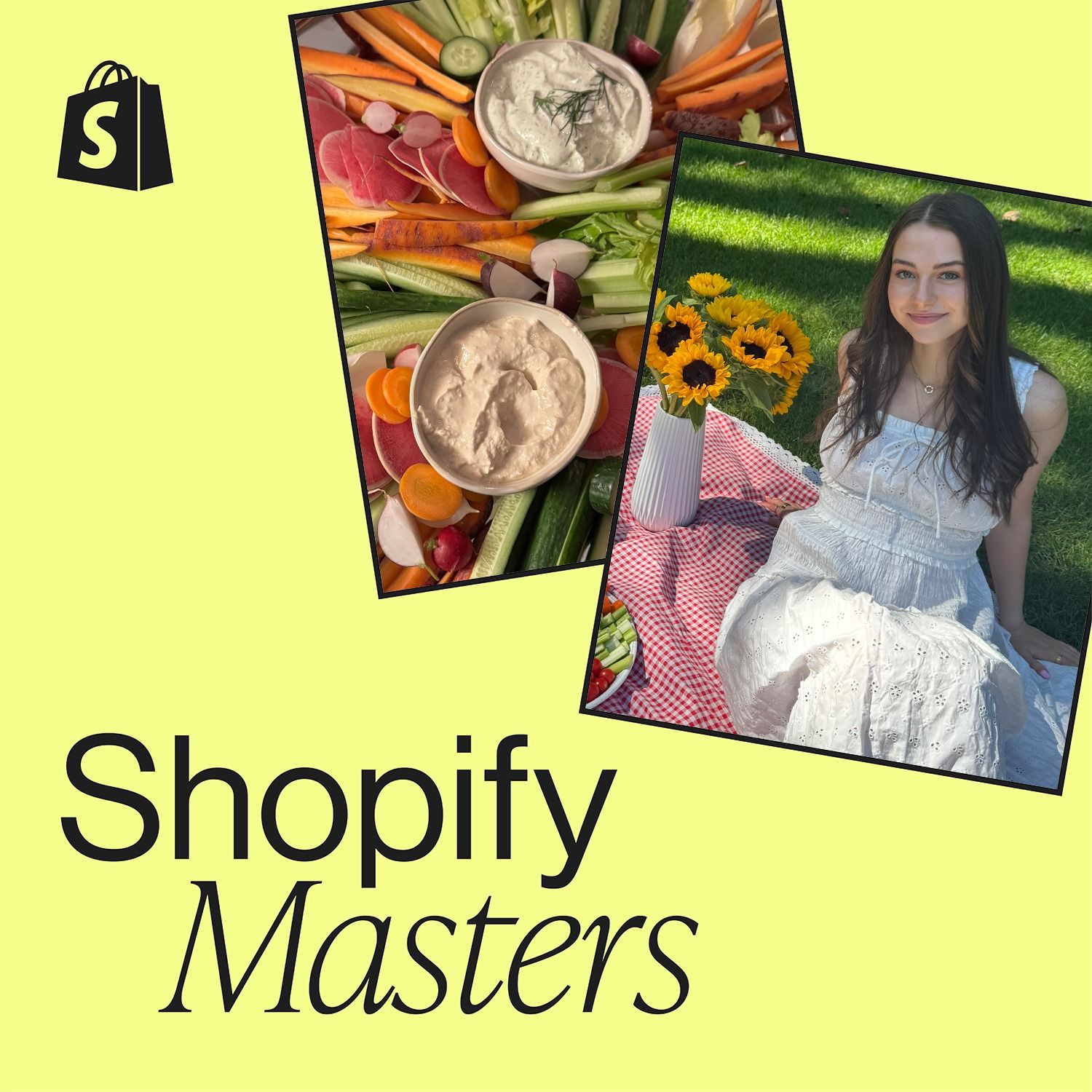
Glucose Goddess founder Jessie Inchauspé treats her Instagram posts like a tech product, using audience comments and DMs as direct user research. This iterative process of listening to and adapting based on feedback, even when negative, is key to refining a message for mass appeal.

Shelter Skin's founder uses her personal Instagram following as a real-time focus group. By posting polls about packaging and product details, she gets immediate data from her ideal customers, eliminating the cost and time of traditional market research and fostering community co-creation.