Elix mitigates the fear of 360-degree reviews by providing every full-time employee with an external coach. This structure ensures that critical feedback doesn't just feel exposing but is paired with professional guidance, turning potential blind spots into actionable development goals and fostering a true growth culture.
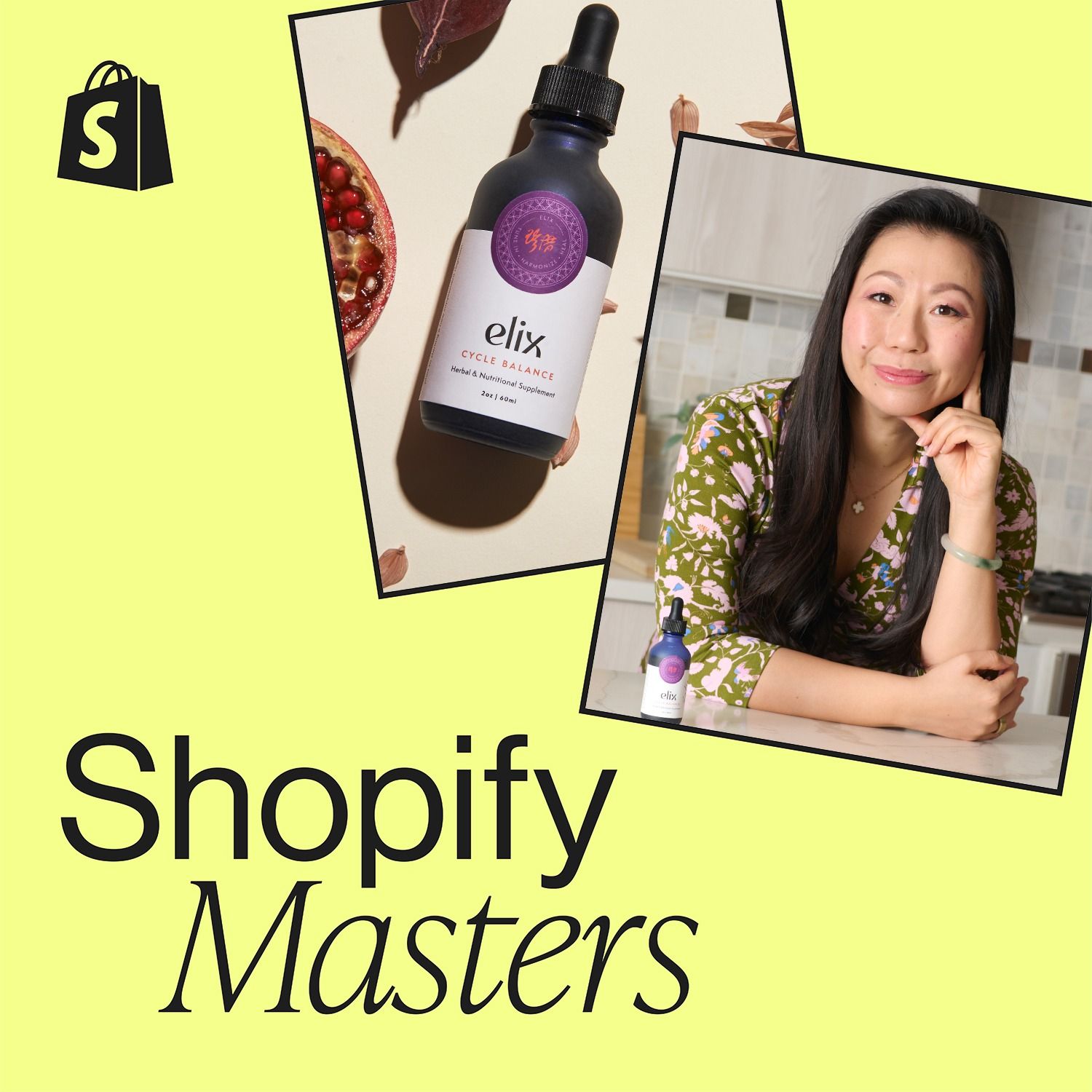
Elix founder Lulu Ge launched a beta test called "#periodpainfree" with basic packaging. This allowed her to gauge real-world demand from strangers online before committing resources to a full brand launch, proving the concept's viability cheaply and effectively.
Elix founder Lulu Ge's authentic, personal TikTok videos, initially an experiment, became a key acquisition channel. Customers acquired through her organic content have the highest lifetime value (LTV), demonstrating the power of founder-led content in building deep brand connection and loyalty.
During a period of rising anti-Chinese sentiment, Elix discovered its greatest strength was its heritage. Customers were drawn to the unique educational framework of Chinese medicine for understanding their bodies, proving that leaning into a niche identity can be a powerful differentiator.
Elix founder Lulu Ge assumed her organic Chinese medicine brand would appeal to an urban, liberal demographic. Instead, she was surprised to find her highest-converting customers were from rural, non-coastal areas, highlighting the danger of demographic assumptions and the broad need for alternative health solutions.
To build credibility in the modern healthcare landscape, Elix invests in formal, IRB-approved clinical studies for its traditional formulas. This strategy provides scientific validation, allowing them to operate as a credible resource alongside Western medicine, not in opposition to it.
Founder Lulu Ge realized personalization was key to Chinese medicine but hard to scale. She built a free online health assessment that digitizes the diagnostic questioning of an herbalist. This allowed the company to recommend personalized herbal blends to a mass audience, successfully scaling a traditionally bespoke service.