Get your free personalized podcast brief
We scan new podcasts and send you the top 5 insights daily.
To launch Diapers.com with minimal capital, founder Mark Lohr fulfilled early orders by purchasing products from wholesale clubs for more than he sold them for online. This allowed him to validate the business model before securing inventory and optimizing logistics.

Related Insights
To launch, Diapers.com bought products at full price from wholesale clubs like Costco. This "do things that don't scale" approach proved demand and built a customer base before they had manufacturer deals, despite losing more money per order.

To combat razor-thin margins, Diapers.com's key innovation was deep logistics optimization. They hired a PhD in nuclear physics to develop an algorithm that calculated the perfect box size for every order, minimizing dimensional weight shipping charges and making their loss-leader model viable.
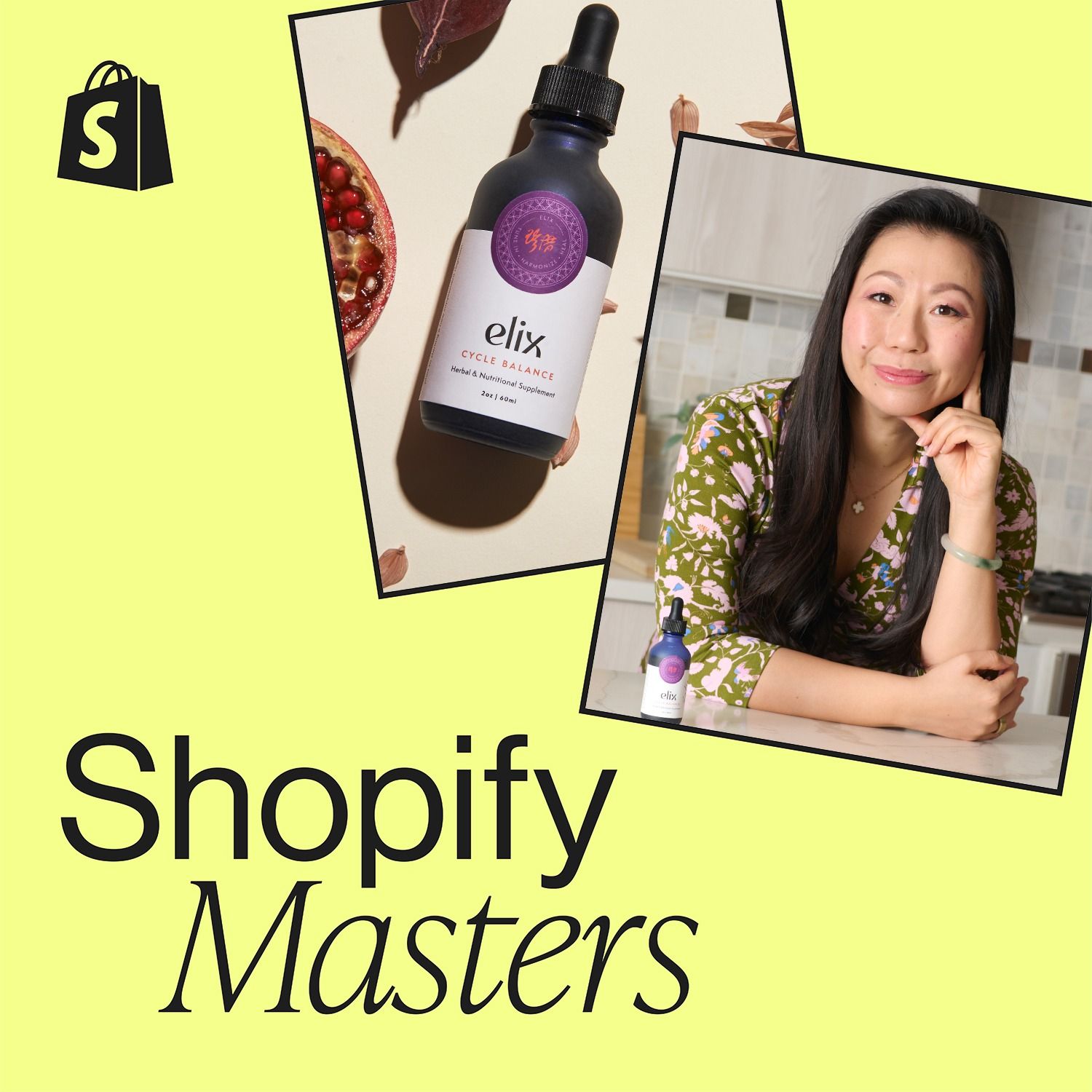
Elix founder Lulu Ge launched a beta test called "#periodpainfree" with basic packaging. This allowed her to gauge real-world demand from strangers online before committing resources to a full brand launch, proving the concept's viability cheaply and effectively.
Before writing code, the founder acted as the "automation," manually inputting orders for the first 100 restaurants. This Wizard of Oz approach validated demand and the workflow with zero development cost, allowing for an instant launch.

Before raising significant capital or manufacturing its product, Liquid Death's founder created a fake brand on Facebook. A $1,500 commercial generated millions of views and tens of thousands of followers, proving market demand and de-risking the venture for early investors.

The founder of AI content startup Dream Stories deliberately rejected the common VC-fueled model of offering free, subsidized products. By charging customers from the beginning, he forced the business to find immediate product-market fit and build a sustainable economic model, grounding the company in real-world validation rather than burning cash on an unproven concept.

In the earliest stages, the goal isn't a profitable P&L but proving people want your product. Spot & Tango's founder hand-delivered orders at a loss, prioritizing demand validation over unit economics, which could be optimized later.

When major diaper brands refused to sell to them, Diapers.com bought all inventory from the brands' key wholesale customers (Costco, BJ's). This created a problem for manufacturers, forcing them to establish a direct supply relationship to appease their large retail partners.
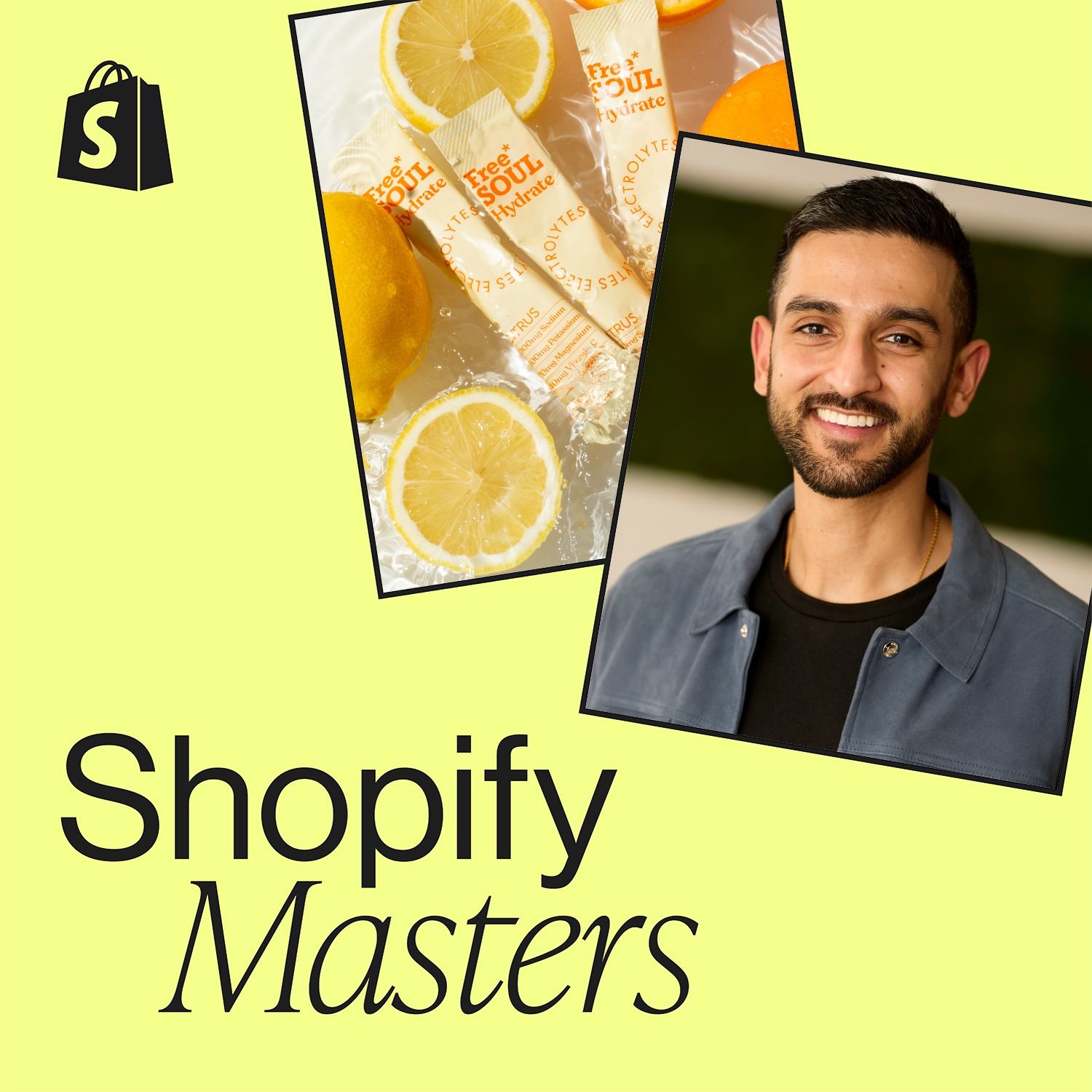
Without VC funding, Free Soul couldn't afford to acquire customers at a loss. Their core financial rule was that customer acquisition costs must be lower than the gross margin on the very first purchase, a strict focus on unit economics that fueled their sustainable growth.
To minimize risk, the founder initially ordered small quantities of custom packaging, resulting in a high cost of $6.31 per box. In hindsight, she advises founders to "bet on themselves" by ordering larger quantities to significantly lower cost of goods, even if it ties up capital longer.