Get your free personalized podcast brief
We scan new podcasts and send you the top 5 insights daily.
Before raising significant capital or manufacturing its product, Liquid Death's founder created a fake brand on Facebook. A $1,500 commercial generated millions of views and tens of thousands of followers, proving market demand and de-risking the venture for early investors.

Related Insights
Breeze's most effective ads are raw, unedited videos of the founder. In one example, he filmed himself calling a customer to refund their $560 order after a coin flip. That single ad cost $560 to make but generated an estimated $500,000 in sales, proving authenticity trumps production value.

Instead of a functional prototype, Mirror's founder raised a seed round with a "smoke and mirrors" version: an animated video behind one-way glass. This focused on selling the *feeling* and brand experience to investors, proving demand before spending capital on complex engineering.
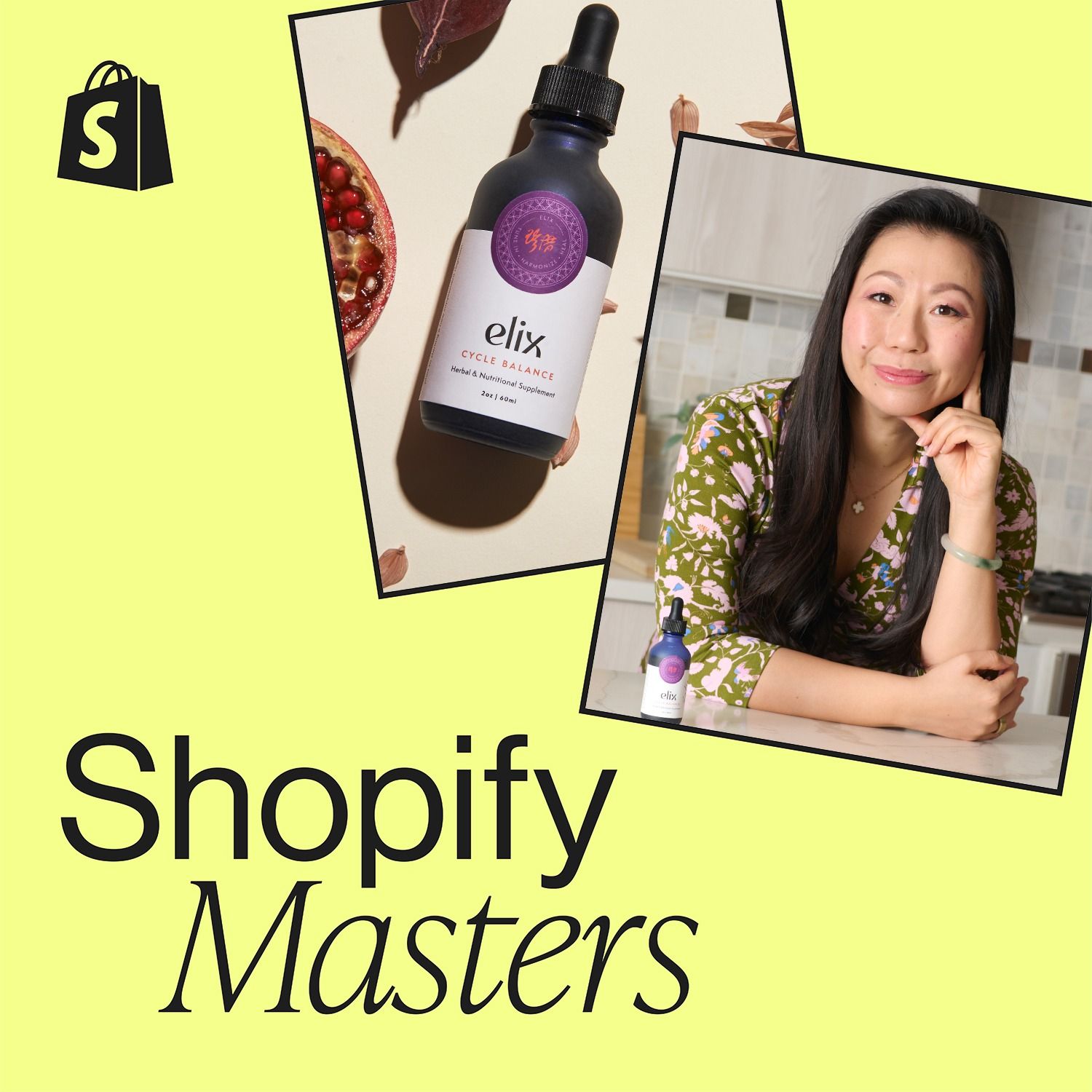
Elix founder Lulu Ge launched a beta test called "#periodpainfree" with basic packaging. This allowed her to gauge real-world demand from strangers online before committing resources to a full brand launch, proving the concept's viability cheaply and effectively.
It's highly feasible to build a major brand while working a day job. The founder of Liquid Death developed the concept while an employee at VaynerMedia. This strategy allows for market validation and brand development before taking the full entrepreneurial leap, significantly minimizing personal financial risk.

To de-risk their unconventional idea, Liquid Death created a fake ad and a Facebook page to test market reception. They secured millions of views and 80,000 followers, proving demand and generating traction that was crucial for raising capital, turning a concept into an investable business.

The founder's key insight was the disparity between the fun, irreverent marketing for unhealthy products (beer, candy) and the boring marketing for healthy ones. The brand's strategy was born from applying the entertaining, humorous tactics of junk food to the healthiest category: water.
Instead of waiting for a working product, the founders invested in a conference booth with just screenshots. This early, public validation test, though risky, attracted two crucial prospects who became their first customers. This demonstrated market demand before the product was fully built, a move many founders would avoid.

By enforcing a strict budget cap on any single commercial, Liquid Death operates a 'small bets' strategy. This minimizes the financial risk of any one piece of content flopping and allows for a higher volume of creative outputs, ensuring the ROI is massive when a video succeeds.
Crisp.ai's founder advocates for selling a product before it's built. His team secured over $100,000 from 30 customers using only a Figma sketch. This approach provides the strongest form of market validation, proving customer demand and significantly strengthening a startup's position when fundraising with VCs.
A powerful, low-cost way to validate demand is to cold message thousands of potential users on platforms like Facebook groups. Crucially, ask for a small payment upfront (e.g., $20). This filters out polite but non-committal interest, providing a strong signal of genuine need and willingness to pay.
