Get your free personalized podcast brief
We scan new podcasts and send you the top 5 insights daily.
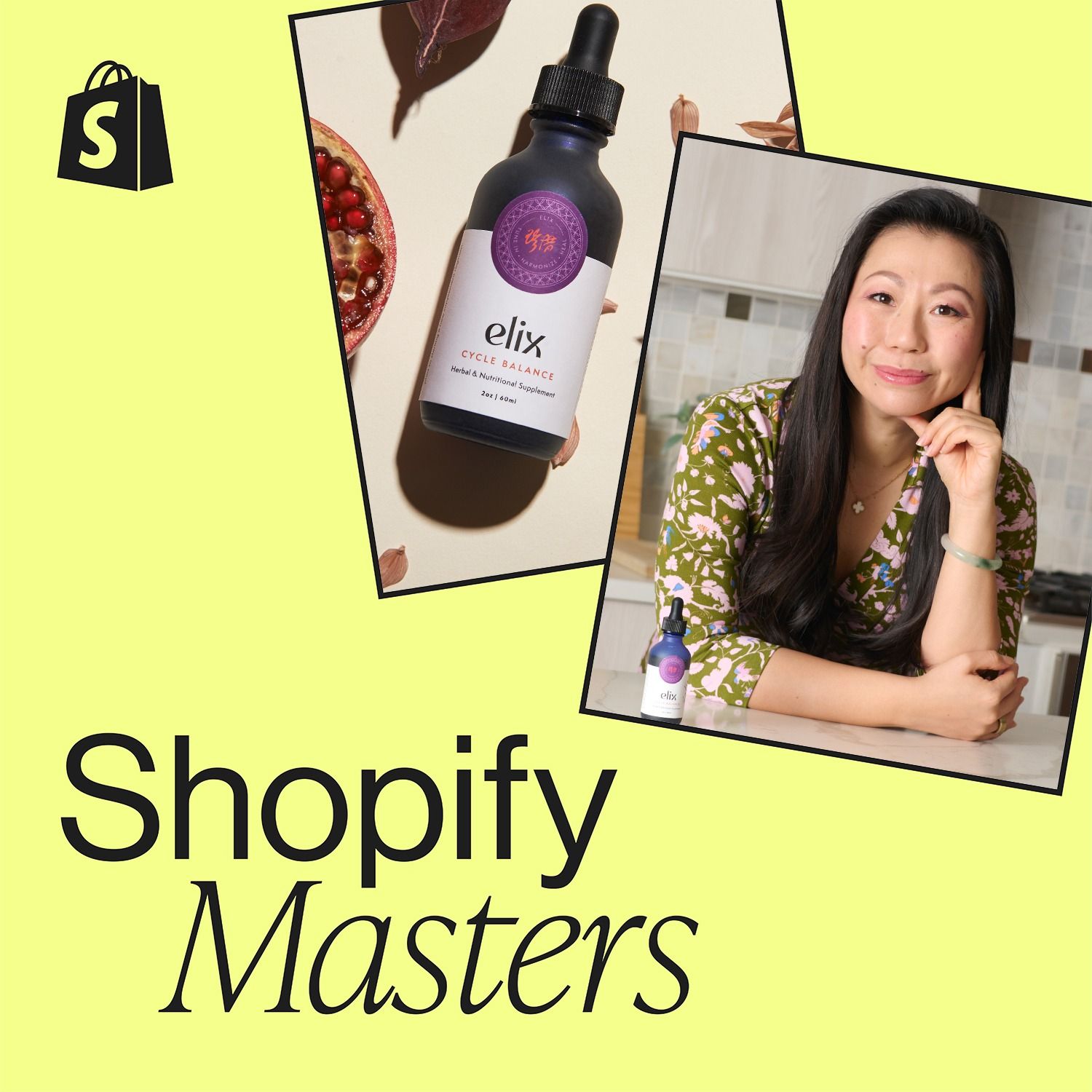
Elix founder Lulu Ge launched a beta test called "#periodpainfree" with basic packaging. This allowed her to gauge real-world demand from strangers online before committing resources to a full brand launch, proving the concept's viability cheaply and effectively.
Related Insights
Ramli John launched his paid beta program after writing only two of twenty chapters. This allowed him to gather market feedback exceptionally early, co-create the product with his most dedicated users, and pivot based on their input, significantly de-risking the final launch.

Validate business ideas by creating a fake prototype or wireframe and selling it to customers first. This confirms demand and secures revenue before you invest time and money into development, which the speaker identifies as the hardest part of validation.

To test an idea like flavored creatine for women, use an AI image generator to create mockups. Post these images on Facebook Marketplace, a low-friction platform, to gauge interest via views, clicks, and messages before investing in product development. This provides quick, cheap data.

Friends provide biased feedback. For a truer market signal, launch a waitlist for your product on a relevant, niche online community like Hacker News. The volume of sign-ups from your target audience provides a far more realistic and valuable measure of initial demand than conversations with your personal network.

Instead of a traditional product launch, gauge market interest by tweeting about a personal problem and asking if others share it, framed as "Thinking of building an app...". This validates the idea and creates an initial beta list from interested replies before you invest heavily in development.

To de-risk their unconventional idea, Liquid Death created a fake ad and a Facebook page to test market reception. They secured millions of views and 80,000 followers, proving demand and generating traction that was crucial for raising capital, turning a concept into an investable business.

Instead of waiting for a working product, the founders invested in a conference booth with just screenshots. This early, public validation test, though risky, attracted two crucial prospects who became their first customers. This demonstrated market demand before the product was fully built, a move many founders would avoid.

Replace speculative feedback from discovery calls with a process that would be "weird if it didn't work." First, get strangers to pre-pay for a solution. Then, deliver it manually. This confirms real demand (payment) and validates the solution's value (retention) before writing code.

A powerful, low-cost way to validate demand is to cold message thousands of potential users on platforms like Facebook groups. Crucially, ask for a small payment upfront (e.g., $20). This filters out polite but non-committal interest, providing a strong signal of genuine need and willingness to pay.

Releasing a minimum viable product isn't about cutting corners; it's a strategic choice. It validates the core idea, generates immediate revenue, and captures invaluable customer feedback, which is crucial for building a better second version.
