Get your free personalized podcast brief
We scan new podcasts and send you the top 5 insights daily.
The founder of Buzz Balls, a former teacher, scaled her ready-to-drink cocktail company to a nine-figure acquisition without ever raising venture capital. She bootstrapped the business using a small inheritance, maxed-out credit cards, and a community bank loan, proving massive CPG success is still possible outside the VC ecosystem.

Related Insights
The risk-return profile for a beverage brand mirrors a venture-style investment: it requires significant capital with a high failure rate, but the few successes yield massive, multi-billion dollar outcomes. This differs from food or beauty, which offer more predictable, traditional private equity returns.

The founders started with only $5k in savings and a $10k credit card. By focusing on being profitable from day one and avoiding debt for salaries, they organically grew their CPG brand to over a million dollars in revenue in four years without any external funding.
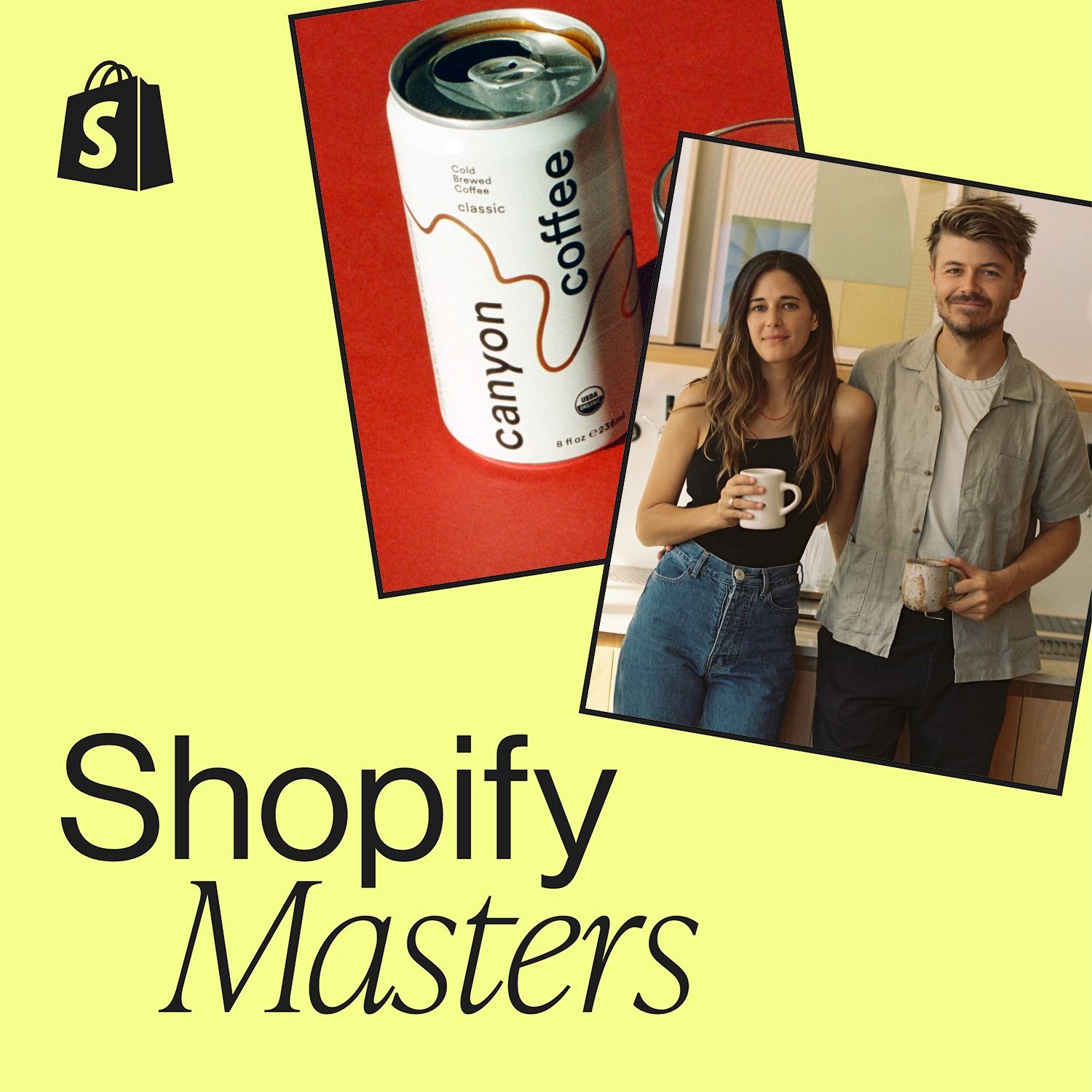
The founders delayed institutional funding to protect their long-term brand strategy. This freedom allowed them to avoid paid ads, which a VC might have demanded for quick growth, and instead focus on building a more powerful and sustainable word-of-mouth engine first.
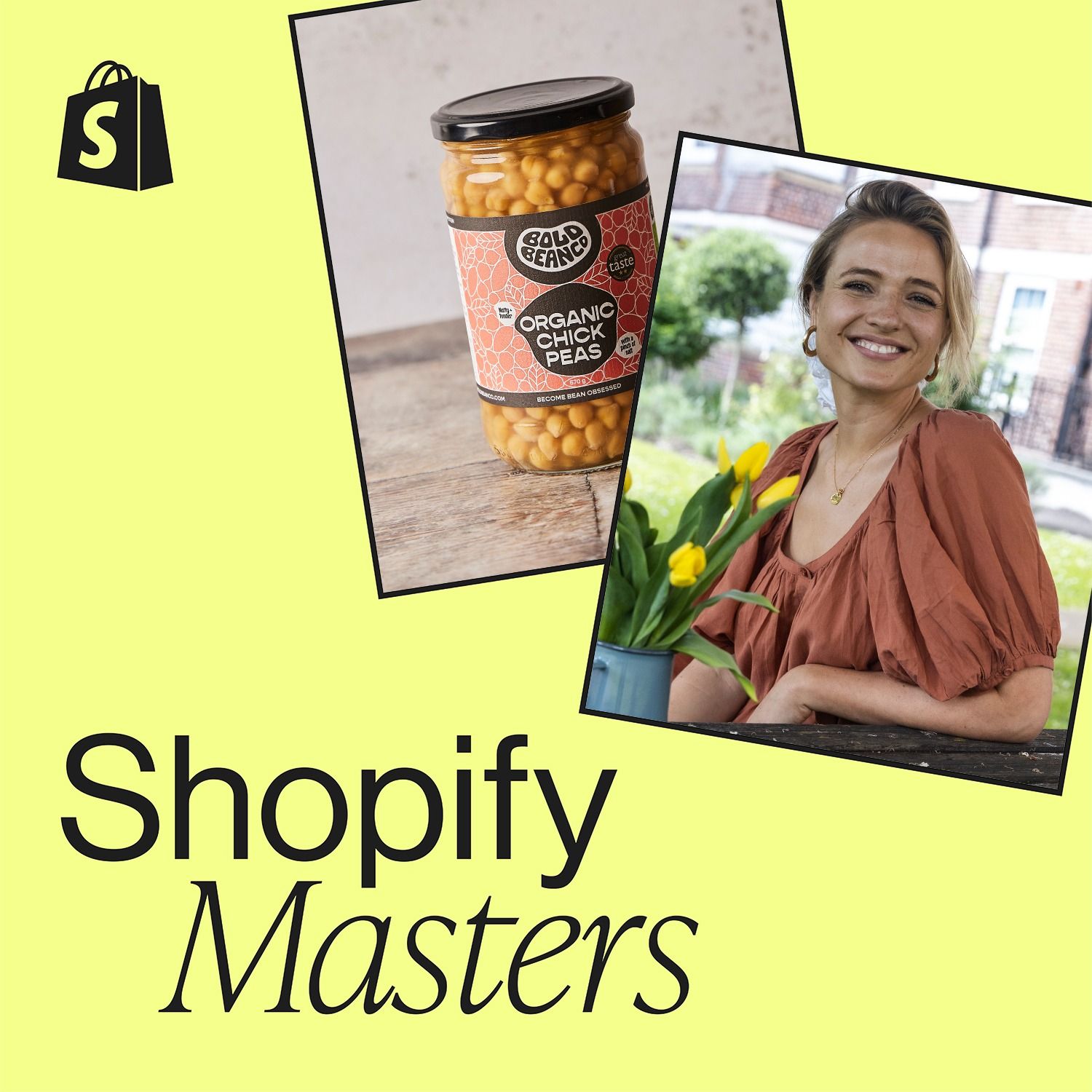
Despite making millions, Chip and Joanna never took on outside investors. They knew private equity could accelerate growth and ease operational pain, but they chose to reinvest every dollar earned back into the business. This deliberate decision ensured they maintained complete control over their brand.

To maintain product focus and avoid the 'raising money game,' the founders of Cues established a separate trading company. They used the profits from this successful venture to self-fund their AI startup, enabling them to build patiently without being beholden to VC timelines or expectations.

Instead of chasing massive, immediate growth, Chomps' founders focused on a sustainable, self-funded model. This gradual scaling allowed them to control their destiny, prove their model, and avoid the pressures of early-stage investors, which had burned one founder before.

Flipsnack proves the model of using founder-owned profits to reach significant scale. Only after hitting $15M ARR did they take on non-dilutive debt capital for targeted acceleration, like opening international sales offices. This avoids early dilution and maintains 100% ownership while fueling growth.

Despite a $50 million exit from their previous company, the Everflow founders intentionally limited their initial investment to a few hundred thousand dollars and didn't take salaries for two years. They believed capital scarcity forces focus and efficiency, preventing wasteful spending while they were still figuring out the product.

Venture capital can create a "treadmill" of raising rounds based on specific metrics, not building a sustainable business. Avoiding VC funding allowed Donald Spann to maintain control, focus on long-term viability, and build a company he could sustain without external pressures or risks.

A key competitive advantage for cocktail brand Buzz Balls was owning its supply chain. The founder brought the production of both the patented spherical plastic containers and the spirits in-house. This strategic move ensured quality and reliability, a challenge where most D2C founders fail by remaining dependent on co-packers.