Get your free personalized podcast brief
We scan new podcasts and send you the top 5 insights daily.
Instead of building a coffee shop, the founders tested their 'one-item menu' concept by creating a TikTok video and design mockups. The posts generated millions of impressions, confirming massive market interest and de-risking the venture before any significant capital was spent.

Related Insights
If you can't distill your product or idea into a compelling 30-second TikTok video, your core messaging and positioning aren't strong enough. This serves as a quick, effective test to refine marketing angles before investing more resources.
For products with a short shelf life, building a pre-launch audience on social media is crucial. This ensures you have immediate demand for your first batch, preventing waste from unsold inventory and validating the product before it's even made.
The founding team—a graphic designer, a web developer, and an experiential marketer—had never met. They connected via LinkedIn and TikTok DMs after the initial concept went viral, demonstrating how complementary skills can be assembled rapidly from online communities.
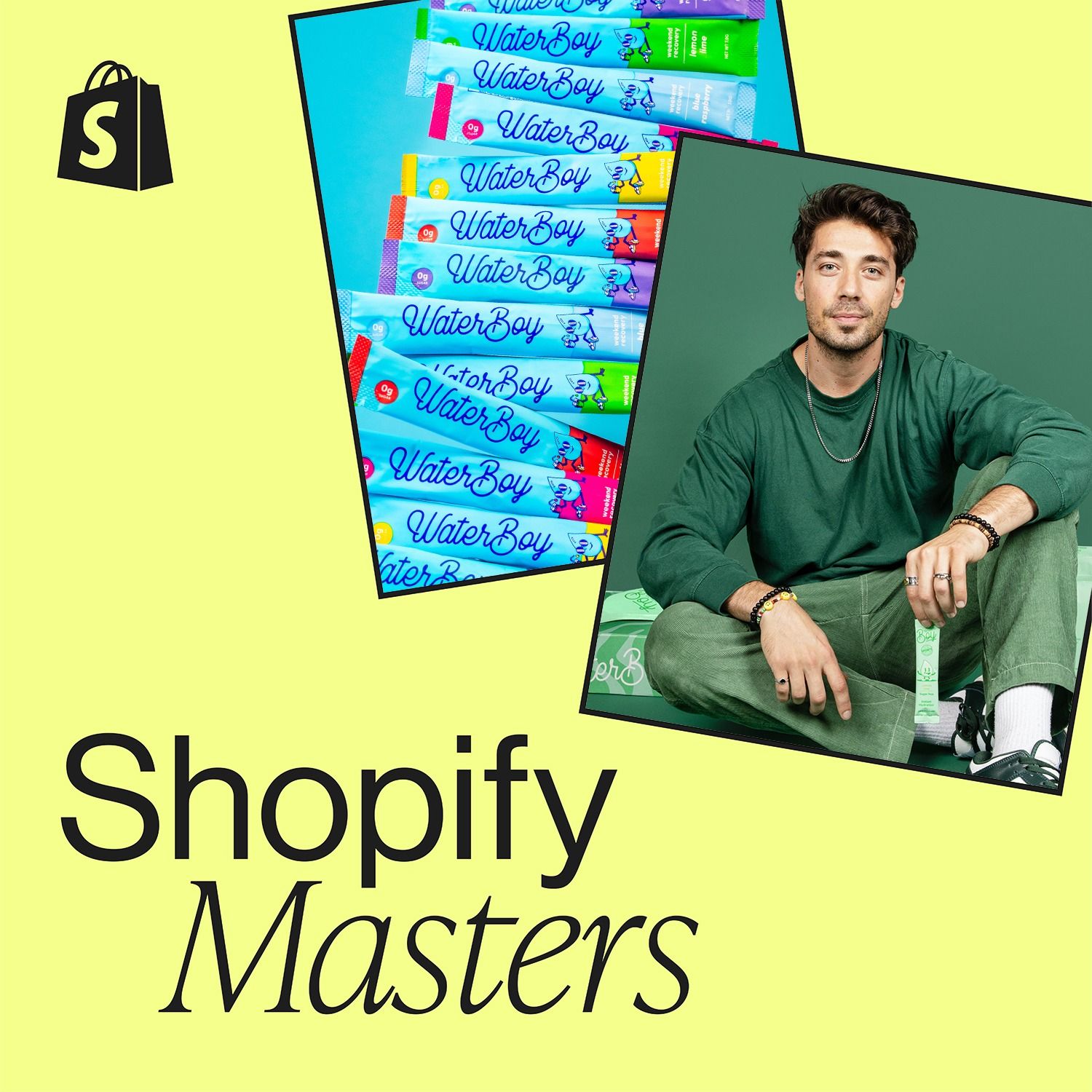
Before investing in production, Waterboy built a simple landing page to capture emails/SMS. They then created organic TikToks to drive traffic, validating consumer interest and building a pre-launch list with just a $700 investment, ultimately pre-selling their first production run.
The Push-scroll app team first created a viral TikTok video pretending their app already existed. When the video confirmed massive demand, they built it. This "if they come, we will build it" approach inverts the traditional model and significantly de-risks development.

Instead of paying for traditional focus groups, early-stage founders can post product ideas, like packaging designs, on social media. This provides an instantaneous and free feedback loop directly from potential customers, enabling rapid, data-informed iteration before committing to costly production.
To de-risk their unconventional idea, Liquid Death created a fake ad and a Facebook page to test market reception. They secured millions of views and 80,000 followers, proving demand and generating traction that was crucial for raising capital, turning a concept into an investable business.

Before committing to a costly lease and build-out for a restaurant, the speaker tested the concept with a delivery-only model from a commissary kitchen. This pre-MVP approach, now known as a cloud kitchen, validated the idea with minimal capital and risk.
Instead of building a full app, creating a compelling video of a unique UI/UX concept and posting it on social media can validate demand. For a calorie tracking app in a saturated market, a viral video showcasing a novel interaction pattern generated an 800-person waitlist, proving product-market fit before significant development.

Crisp.ai's founder advocates for selling a product before it's built. His team secured over $100,000 from 30 customers using only a Figma sketch. This approach provides the strongest form of market validation, proving customer demand and significantly strengthening a startup's position when fundraising with VCs.