Get your free personalized podcast brief
We scan new podcasts and send you the top 5 insights daily.
Former PA Prime Minister Salam Fayyad argues the focus on political conditions like Hamas's disarmament has overshadowed the immediate, catastrophic need to improve the livelihoods of people in Gaza, who lack shelter, food, and water. This prioritization of politics over people is the key failure post-ceasefire.

Related Insights
Despite a comprehensive Egyptian-led rebuilding plan, wealthy Gulf monarchies refuse to provide the necessary $55 billion. They will not invest funds that could be destroyed in a future conflict, making Hamas's disarmament a non-negotiable prerequisite for any major rebuilding effort to begin.
In intense conflicts, short-term ceasefires are frequently a strategic maneuver rather than a genuine move towards peace. While peace talks are publicly highlighted, both sides often use the downtime to rebuild their arsenals and rest their forces, making the truce a tool of war itself.

Salam Fayyad contends the Palestinian Authority is not simply in need of technocratic reforms; its political structure is fundamentally flawed. Even if managed as efficiently as Finland, it would still lack the national consensus required to govern effectively because it doesn't represent all Palestinian factions.
Effective reconstruction in Gaza must prioritize creating meaningful employment and educational opportunities for its young population. This approach addresses the profound loss of purpose and hope, which is a more critical need than simply rebuilding physical structures. Without restoring hope, a future cannot be pursued.
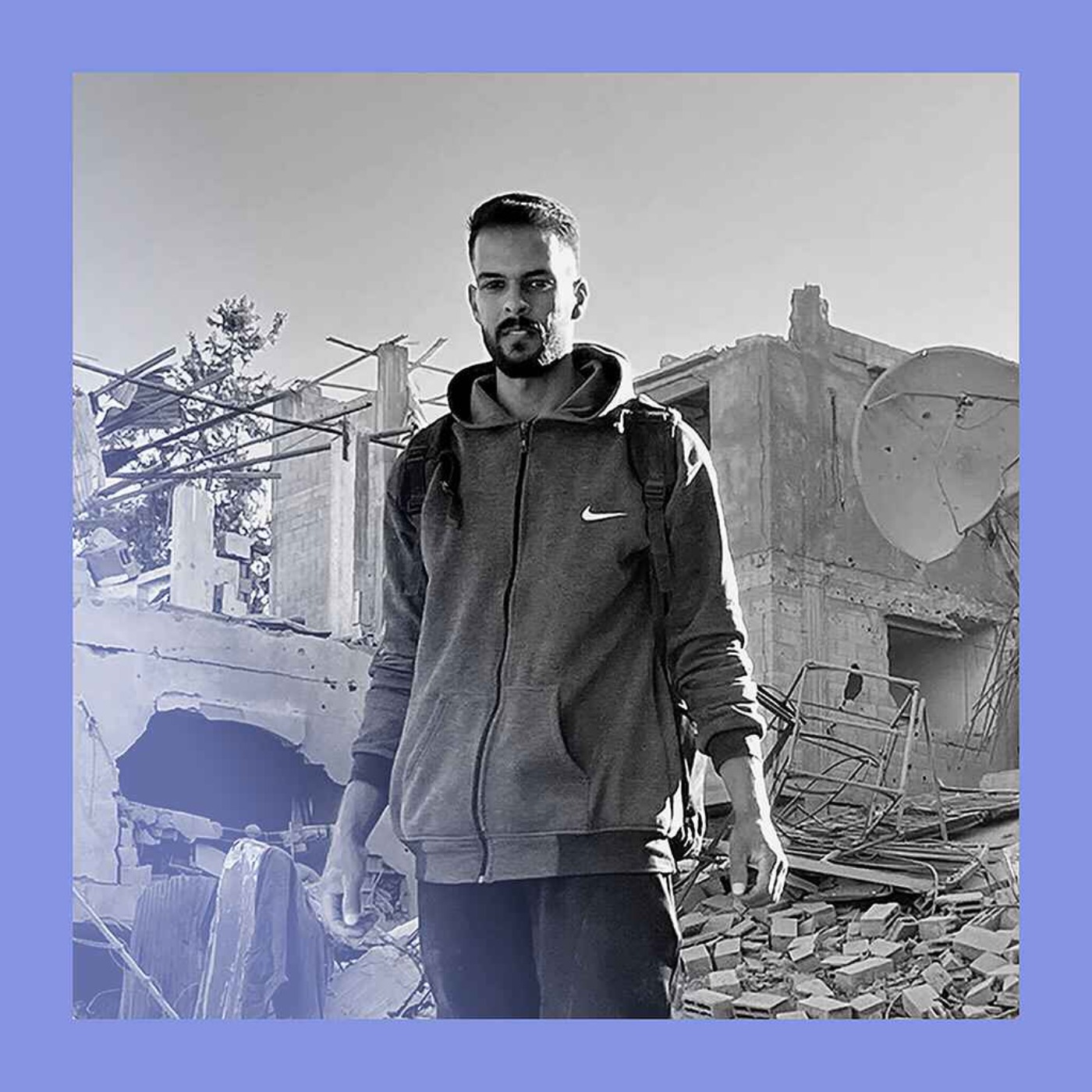
Even after a ceasefire, ordinary Gazans find the psychological toll of an unknown future more difficult than ongoing material hardships. The end of bombing does not bring immediate relief or hope, as fundamental questions about their lives, work, and homes remain unanswered, creating a burden greater than day-to-day scarcity.
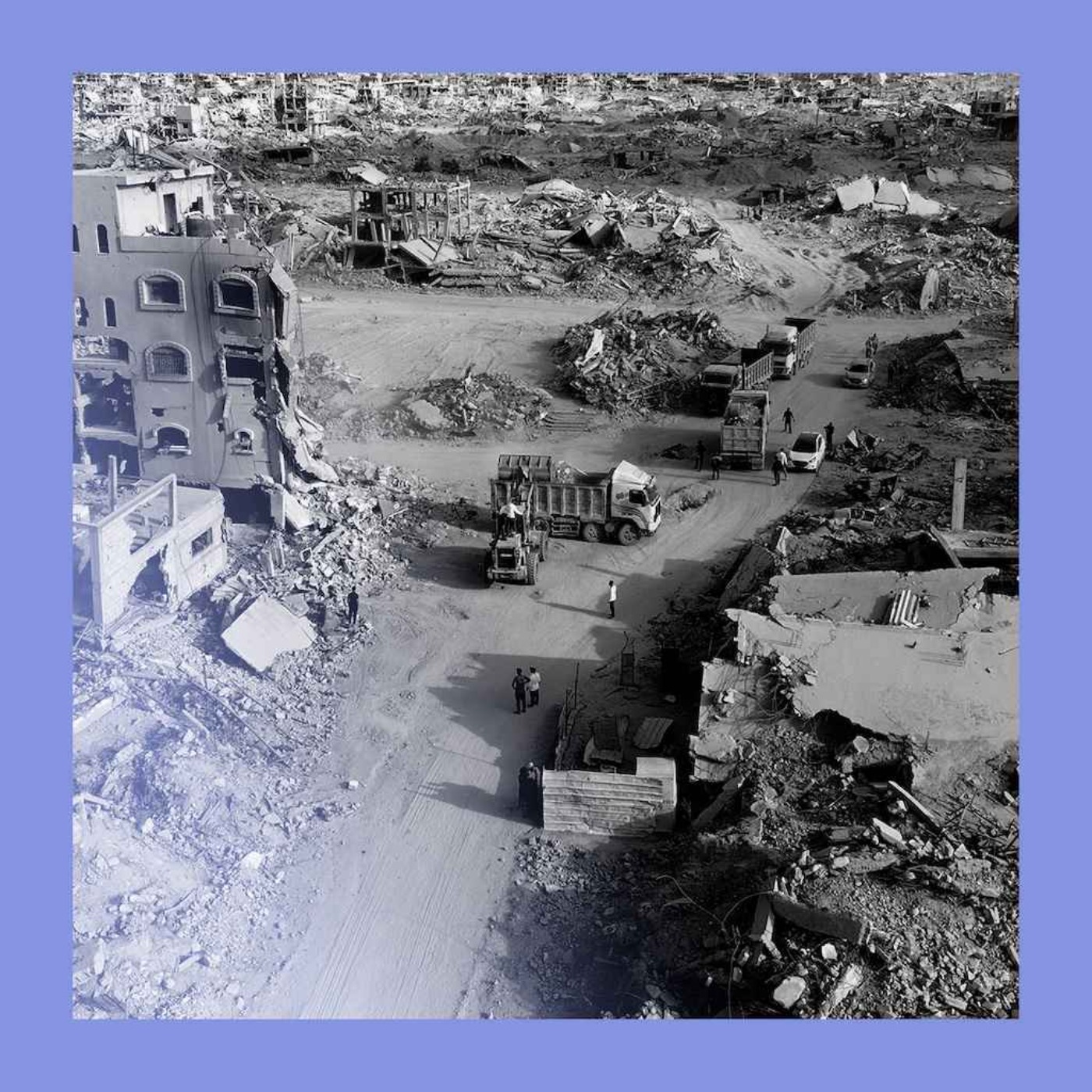
The primary obstacle to rebuilding Gaza isn't just funding but the logistics of clearing 55-60 million tons of debris. Engineers estimate this initial step alone could take over six years, far longer than the six months proposed in reconstruction plans, making immediate rebuilding impossible.
The breakthrough was achieved by splitting the agreement into phases. The initial, easier phase focuses on hostage release and partial withdrawal. The most contentious issues, like post-war governance and Hamas's disarmament, were intentionally postponed, creating both immediate success and future risk.

Fayyad recalls his angry initial reaction to a U.S. proposal for a technocratic committee to govern post-war Gaza. He argues the plan was fundamentally flawed because it presumed Hamas could be completely eliminated—an impossible goal whose pursuit would lead to catastrophic loss of life.
The 20-point plan calls for an international force to disarm Hamas. However, a negotiator revealed that no country has actually committed troops to this force. This critical gap in implementation threatens the entire long-term viability of the deal, as it is unclear who would enforce disarmament.
Fayyad stresses that any future Palestinian leadership must build legitimacy from the ground up by delivering tangible improvements to people's daily lives. Rather than focusing on long-term political goals, the immediate, incremental task of providing basic services and welfare is the key to gaining public trust.