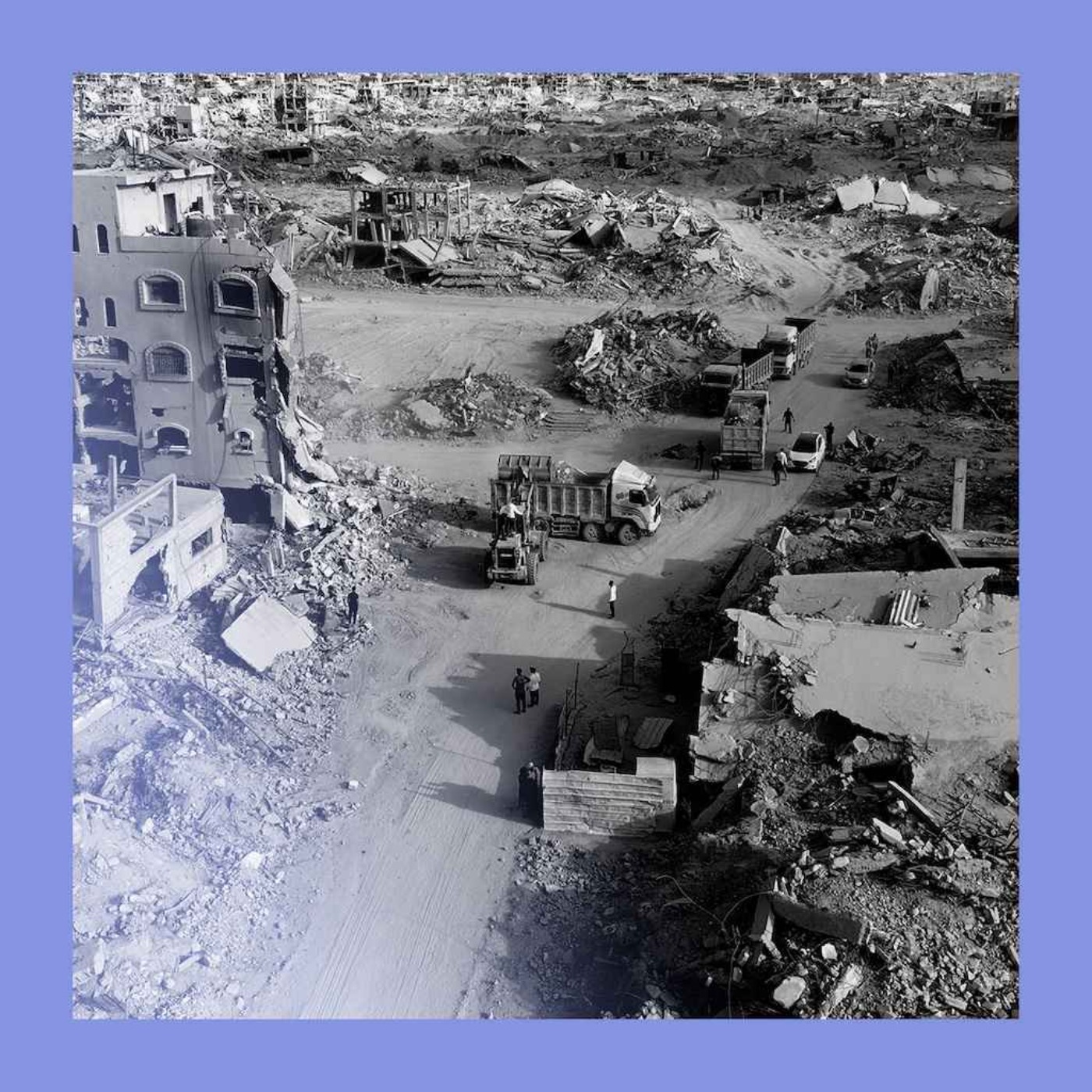
The primary obstacle to rebuilding Gaza isn't just funding but the logistics of clearing 55-60 million tons of debris. Engineers estimate this initial step alone could take over six years, far longer than the six months proposed in reconstruction plans, making immediate rebuilding impossible.
Despite his many controversial views, James Watson was a staunch advocate for open science. He insisted his fully sequenced genome be published online for free research and actively argued against the National Institutes of Health's position that genes should be patented, believing they belonged to all humanity.
Despite a comprehensive Egyptian-led rebuilding plan, wealthy Gulf monarchies refuse to provide the necessary $55 billion. They will not invest funds that could be destroyed in a future conflict, making Hamas's disarmament a non-negotiable prerequisite for any major rebuilding effort to begin.
While companies cite AI when announcing layoffs, the data shows cuts are concentrated in industries that over-hired post-pandemic. Job losses in sectors like tech and professional services represent a "reversion to the mean" trendline, countering the narrative that AI is already replacing workers at scale.
The immediate threat of AI isn't mass layoffs, but rather its impact on future hiring. During the next economic upswing, companies may opt to invest in AI-driven restructuring and reorganization instead of rehiring laid-off white-collar professionals, permanently reducing job opportunities.