Get your free personalized podcast brief
We scan new podcasts and send you the top 5 insights daily.
The 20-point plan calls for an international force to disarm Hamas. However, a negotiator revealed that no country has actually committed troops to this force. This critical gap in implementation threatens the entire long-term viability of the deal, as it is unclear who would enforce disarmament.
Related Insights
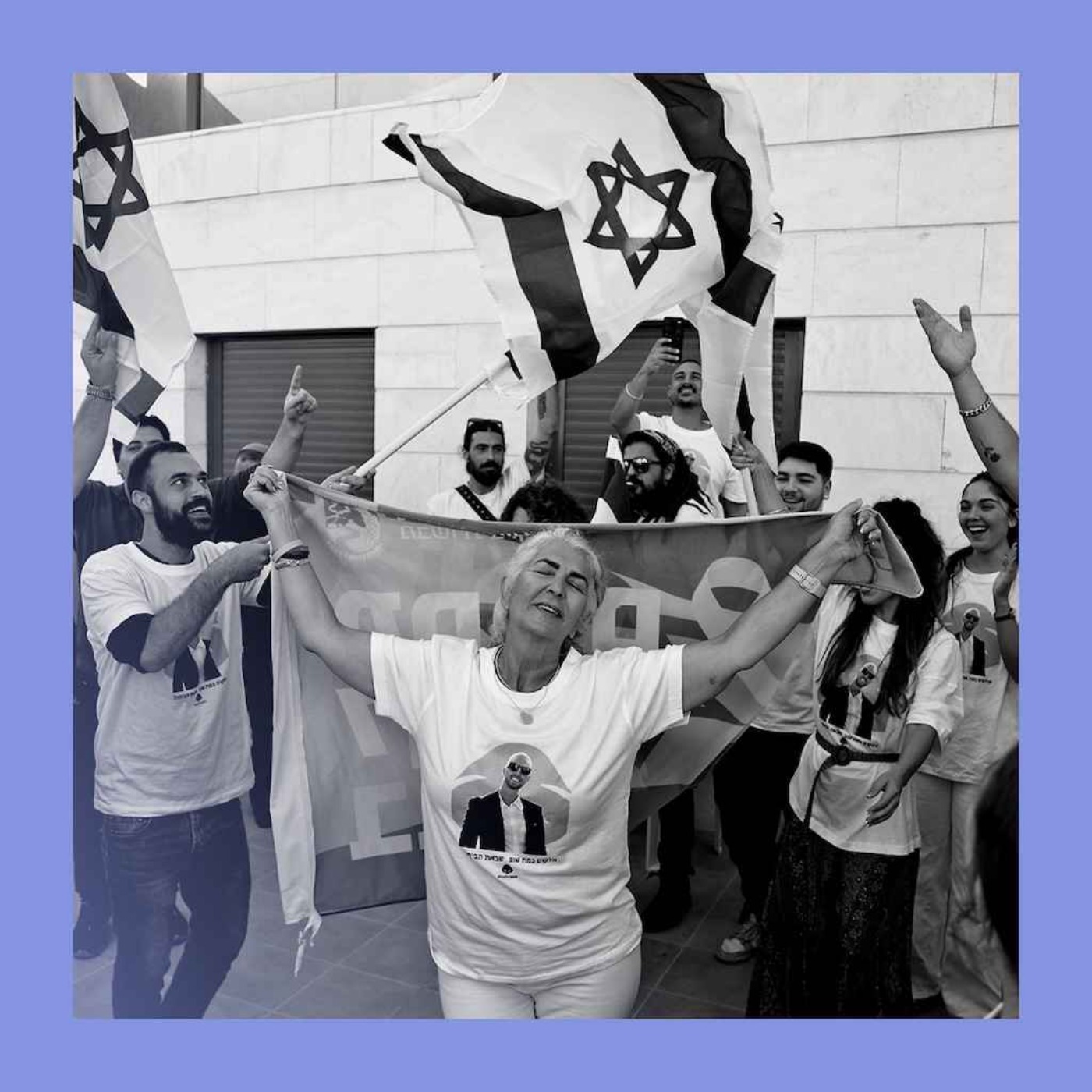
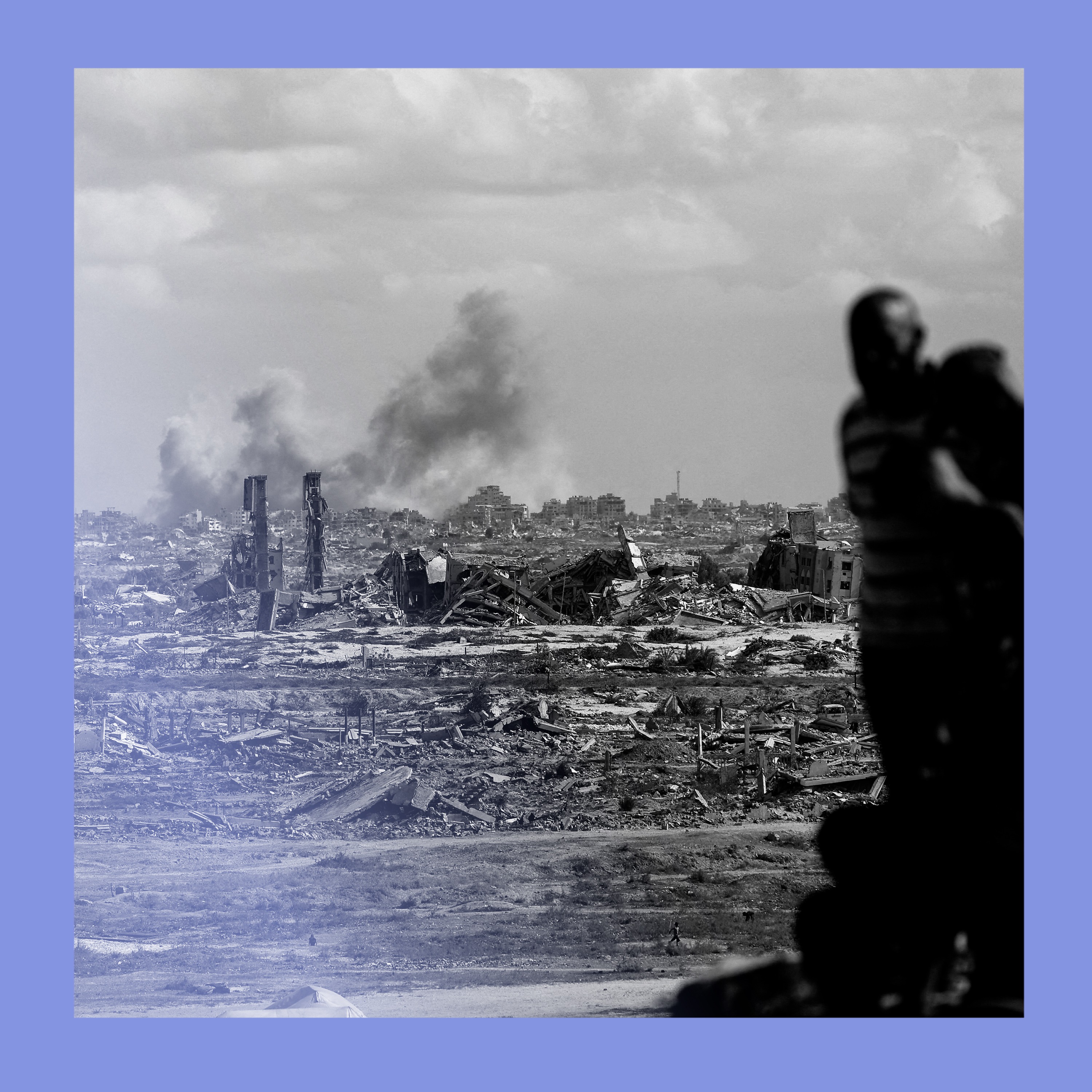
The Israeli withdrawal from Gaza, without Hamas being disarmed or an international force in place, creates a space for violent clashes. Hamas, armed gangs, and powerful clans are already competing for control, illustrating a critical risk in phased peace plans where security is not transferred seamlessly.
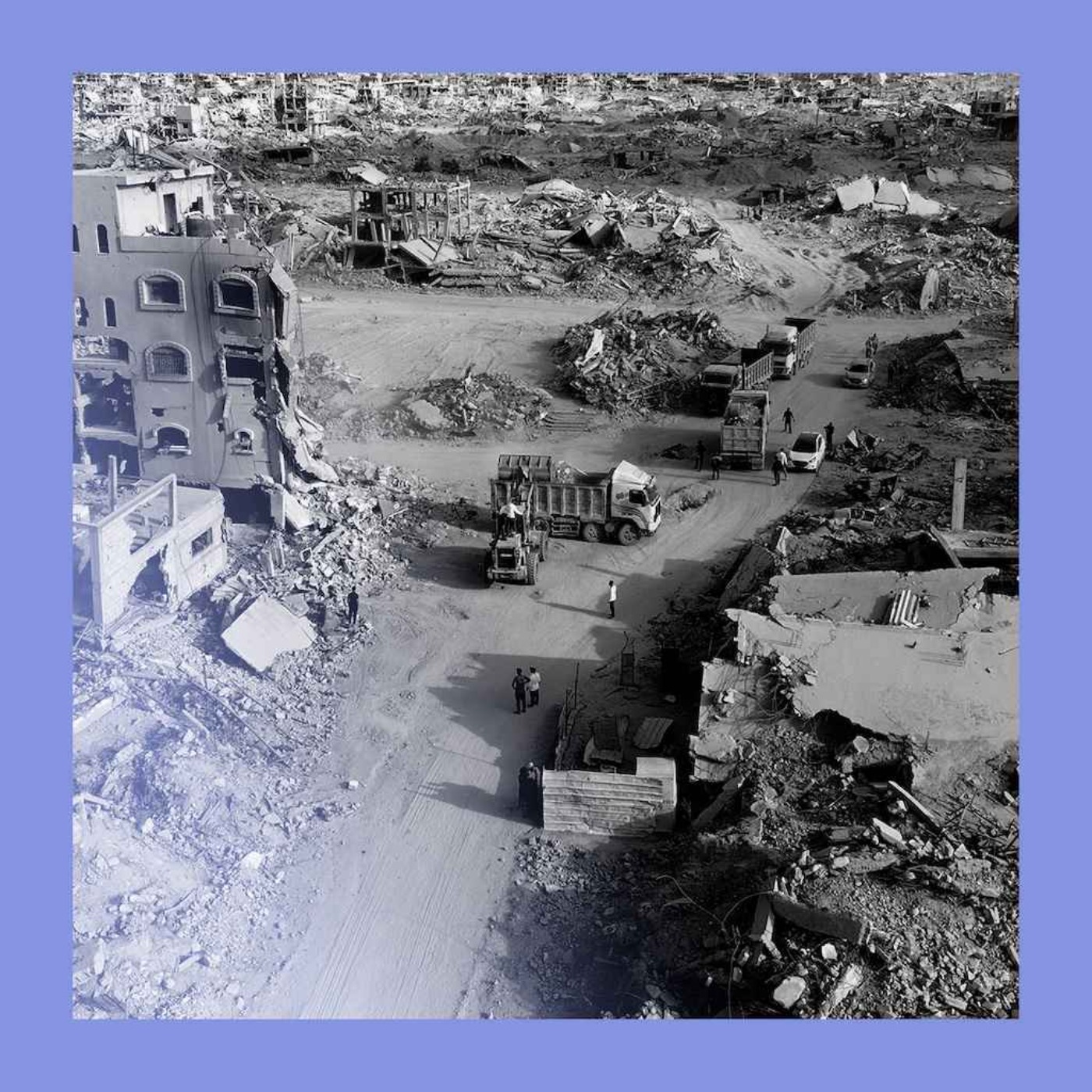
Despite a comprehensive Egyptian-led rebuilding plan, wealthy Gulf monarchies refuse to provide the necessary $55 billion. They will not invest funds that could be destroyed in a future conflict, making Hamas's disarmament a non-negotiable prerequisite for any major rebuilding effort to begin.
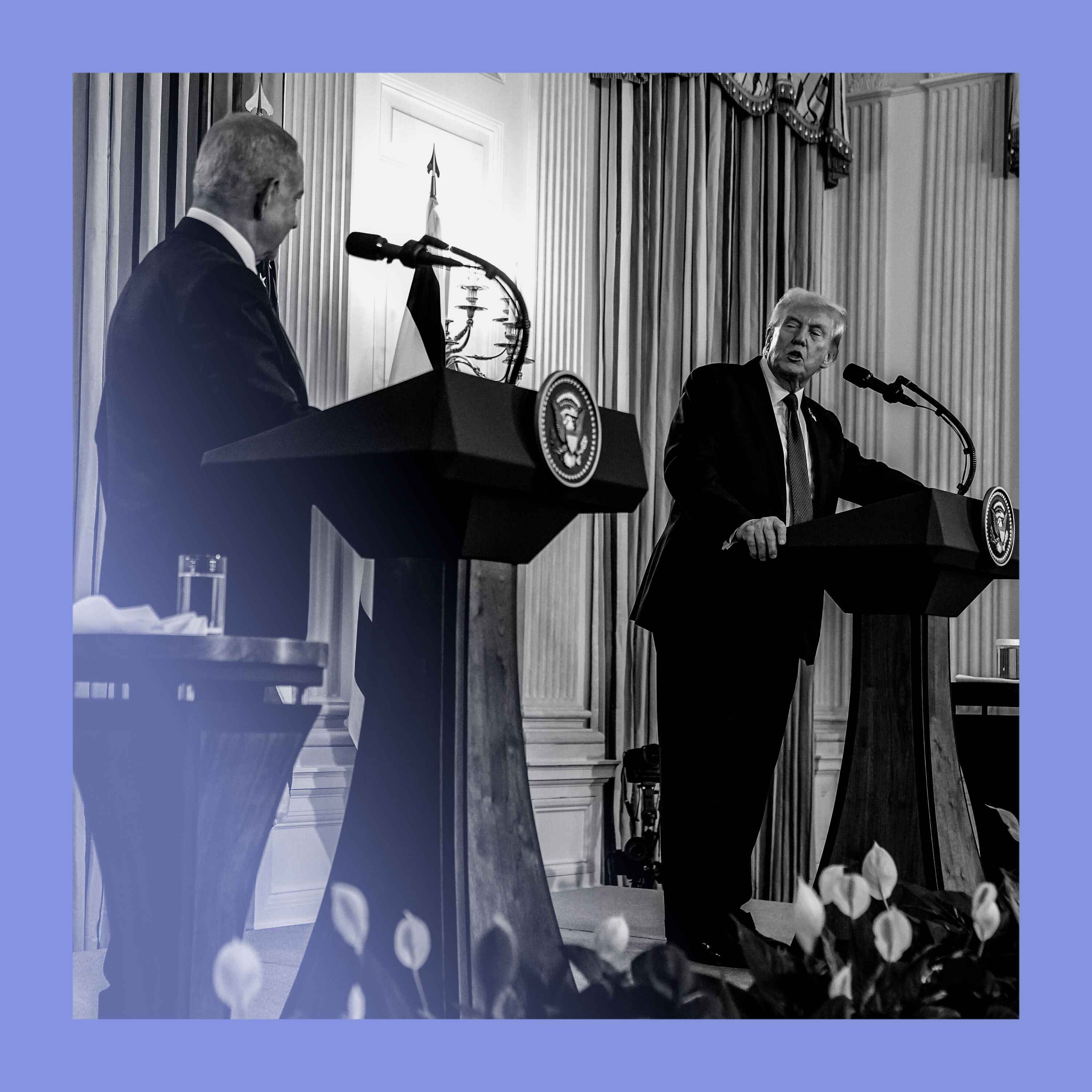
The peace deal materialized only after President Trump became personally and seriously invested. His direct pressure on Prime Minister Netanyahu was the critical factor in shifting Israel's position, suggesting that previous, less forceful American approaches missed opportunities to end the conflict sooner.

Unlike predecessors who acted as "Israel's lawyer," Trump's administration applied coercive pressure to both Israeli and Hamas leadership. According to diplomats, this impartial approach was the key to brokering a peace deal where past efforts failed.

Israeli PM Netanyahu's acceptance of the peace plan is a study in contradiction. While publicly endorsing the deal, he immediately rejected a key component: a role for the Palestinian Authority in post-war Gaza. This tactic creates 'wiggle room' and signals a lack of genuine buy-in, challenging the deal's future.
A botched Israeli airstrike in Qatar, a key US ally, was the true catalyst for renewed US peace efforts. The fear of the conflict spiraling out and drawing in other American allies—disrupting a broader Middle East agenda—prompted a decisive push for a resolution, more so than the ongoing tragedy in Gaza itself.
The proposed peace deal’s elements have been discussed for months. The breakthrough isn't the plan itself, but President Trump's willingness to strong-arm Israeli Prime Minister Netanyahu into agreement, a tactic previously avoided by both Trump and his predecessor Joe Biden.
The viability of a two-state solution depends entirely on the nature of the new Palestinian government. A state cannot achieve stability if it is run by a terrorist organization like Hamas. The international community's push for statehood is meaningless without addressing the internal governance that perpetuates violence.

The breakthrough was achieved by splitting the agreement into phases. The initial, easier phase focuses on hostage release and partial withdrawal. The most contentious issues, like post-war governance and Hamas's disarmament, were intentionally postponed, creating both immediate success and future risk.
A multinational peacekeeping force from BRICS countries (China, India, Brazil, etc.) could be more effective in conflicts like the Russia-Ukraine war. The rationale is that these nations are seen as more neutral than NATO and hold significant economic leverage (e.g., as major buyers of Russian energy), making them a credible guarantee against further aggression.
