Get your free personalized podcast brief
We scan new podcasts and send you the top 5 insights daily.
The breakthrough was achieved by splitting the agreement into phases. The initial, easier phase focuses on hostage release and partial withdrawal. The most contentious issues, like post-war governance and Hamas's disarmament, were intentionally postponed, creating both immediate success and future risk.

Related Insights
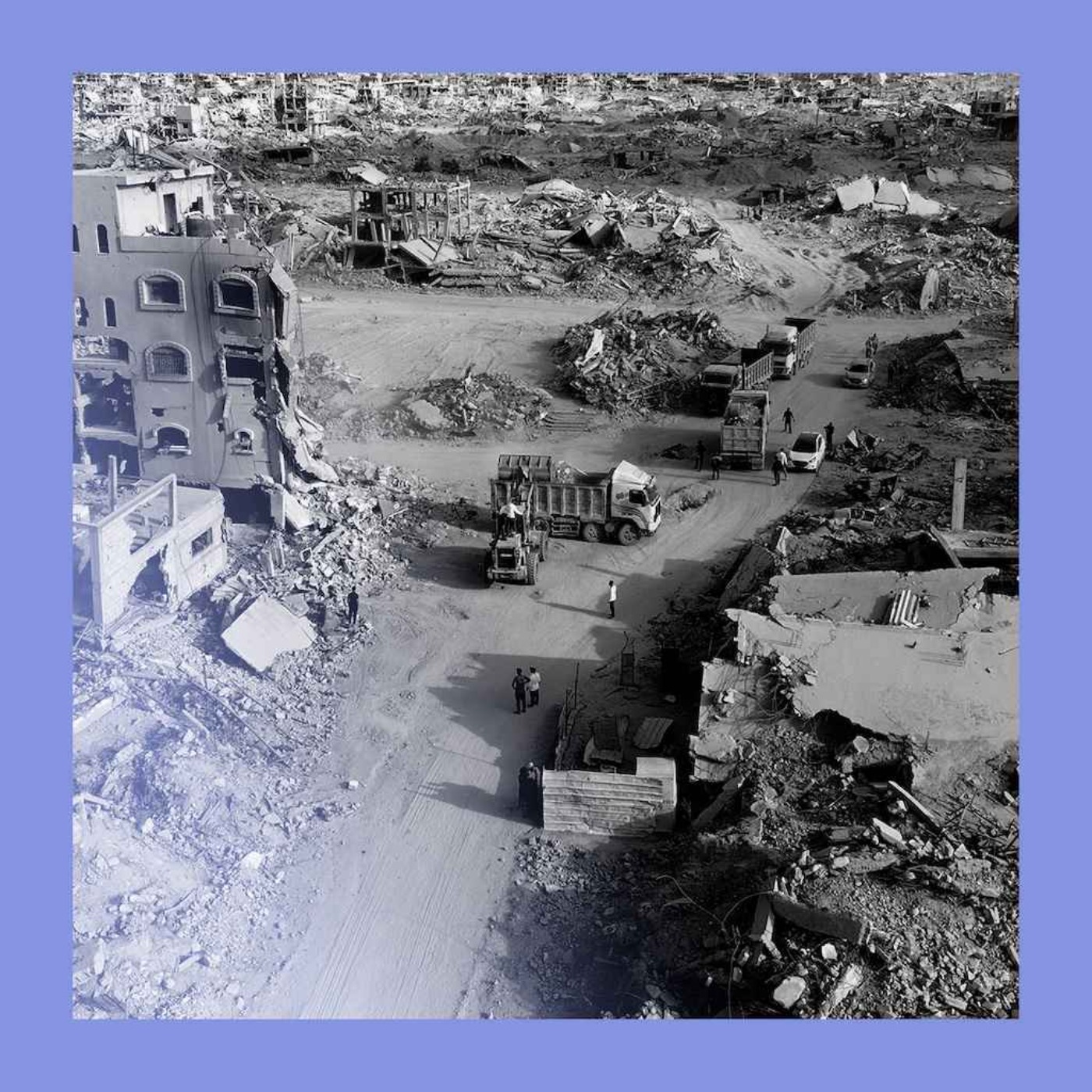
The Israeli withdrawal from Gaza, without Hamas being disarmed or an international force in place, creates a space for violent clashes. Hamas, armed gangs, and powerful clans are already competing for control, illustrating a critical risk in phased peace plans where security is not transferred seamlessly.

Despite a comprehensive Egyptian-led rebuilding plan, wealthy Gulf monarchies refuse to provide the necessary $55 billion. They will not invest funds that could be destroyed in a future conflict, making Hamas's disarmament a non-negotiable prerequisite for any major rebuilding effort to begin.
The peace deal materialized only after President Trump became personally and seriously invested. His direct pressure on Prime Minister Netanyahu was the critical factor in shifting Israel's position, suggesting that previous, less forceful American approaches missed opportunities to end the conflict sooner.
Unlike predecessors who acted as "Israel's lawyer," Trump's administration applied coercive pressure to both Israeli and Hamas leadership. According to diplomats, this impartial approach was the key to brokering a peace deal where past efforts failed.

Even after a ceasefire, ordinary Gazans find the psychological toll of an unknown future more difficult than ongoing material hardships. The end of bombing does not bring immediate relief or hope, as fundamental questions about their lives, work, and homes remain unanswered, creating a burden greater than day-to-day scarcity.

The only historically effective method to resolve deep-rooted religious and ideological conflicts is to shift focus toward shared economic prosperity. Alliances like the Abraham Accords create tangible incentives for peace that ideology alone cannot, by making life demonstrably better for citizens.

The viability of a two-state solution depends entirely on the nature of the new Palestinian government. A state cannot achieve stability if it is run by a terrorist organization like Hamas. The international community's push for statehood is meaningless without addressing the internal governance that perpetuates violence.

To finalize an 18-month negotiation with music labels, Eleven Labs set deadlines to create urgency. These 'forcing functions' proved effective in driving the deal forward, even when the dates had to be moved. The imposed timeline compelled parties to make decisions and find a resolution.

Effective negotiation avoids getting bogged down in details initially. Instead, focus on reaching a high-level agreement on five key pillars: valuation, capital structure, governance, strategy, and exit plan. Only after this framework is set should you dive into the details.

Regional stability is an economic necessity for oil-rich nations. Peace allows them to accelerate monetization of their finite oil reserves and reinvest the capital into diversified, future-proof economies like AI and tourism before alternative energy devalues their primary asset.