As cities like Montreal and Paris expand bike lanes, a new political fault line has emerged. This is not just an infrastructure debate but a culture war pitting cyclists against drivers. The issue is becoming a key topic in local and national politics, with bike lanes framed as part of an "anti-car" agenda.
Left-handers' dominance in sports like fencing is not just due to opponents' unfamiliarity. Research suggests a neurological basis: the right brain hemisphere, handling visual-spatial processing, connects directly to the left hand. This allows for faster reaction times by eliminating the signal delay of crossing brain hemispheres.
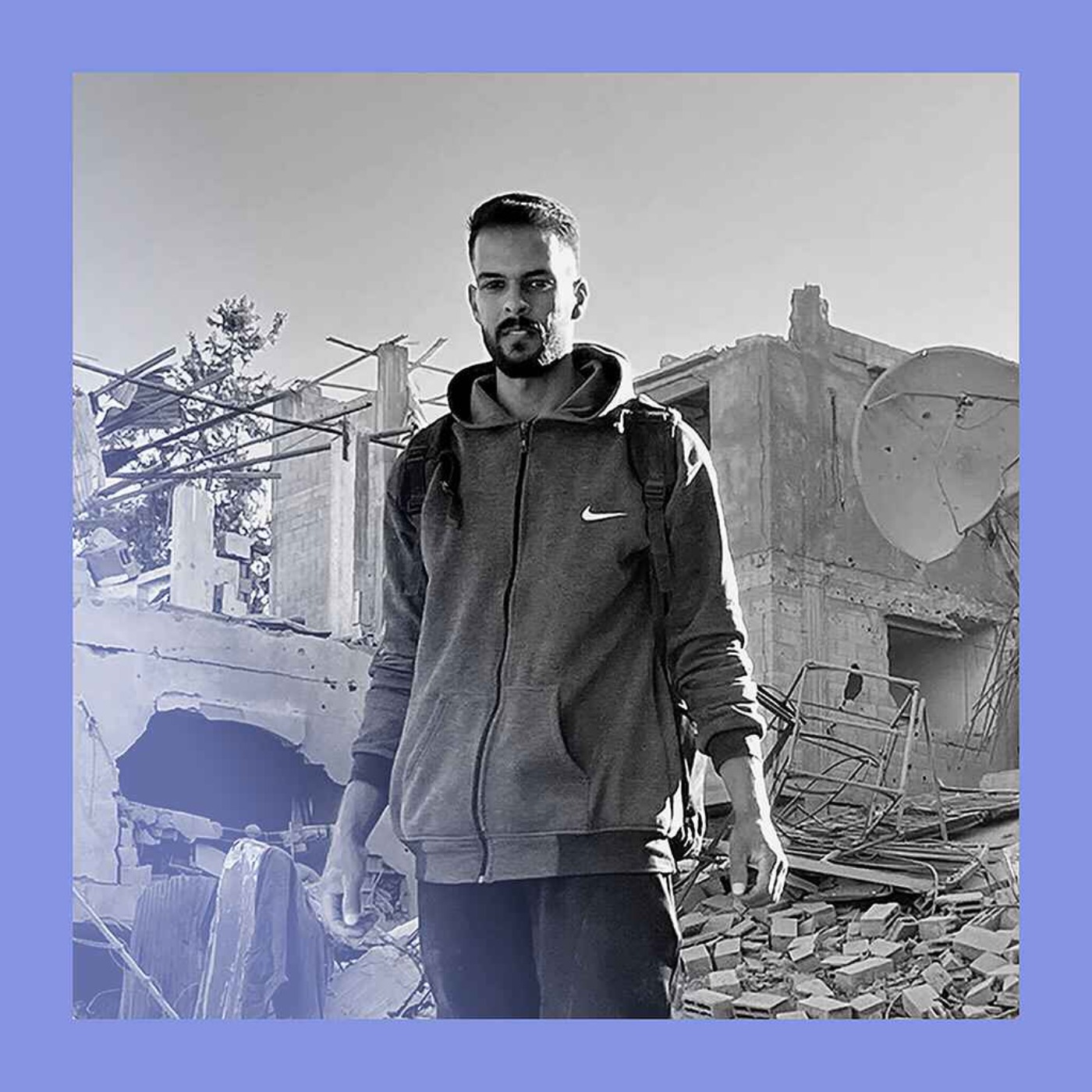
Effective reconstruction in Gaza must prioritize creating meaningful employment and educational opportunities for its young population. This approach addresses the profound loss of purpose and hope, which is a more critical need than simply rebuilding physical structures. Without restoring hope, a future cannot be pursued.
Even after a ceasefire, ordinary Gazans find the psychological toll of an unknown future more difficult than ongoing material hardships. The end of bombing does not bring immediate relief or hope, as fundamental questions about their lives, work, and homes remain unanswered, creating a burden greater than day-to-day scarcity.
While standard e-bikes are linked to increased injuries, a more significant threat comes from illegal models modified to be high-speed electric motorbikes. These machines, capable of 40-50 mph, are used in standard bike lanes, creating an incredibly dangerous environment for cyclists and pedestrians that cities are struggling to control.
The brain-processing speed advantage for left-handed athletes is most potent in sports requiring very quick, small reflexes, like foil fencing and table tennis. It's less pronounced in sports with broader motions like tennis or saber fencing, suggesting the advantage is highly specific to the type of motor skill required.