Get your free personalized podcast brief
We scan new podcasts and send you the top 5 insights daily.
Effective reconstruction in Gaza must prioritize creating meaningful employment and educational opportunities for its young population. This approach addresses the profound loss of purpose and hope, which is a more critical need than simply rebuilding physical structures. Without restoring hope, a future cannot be pursued.
Related Insights
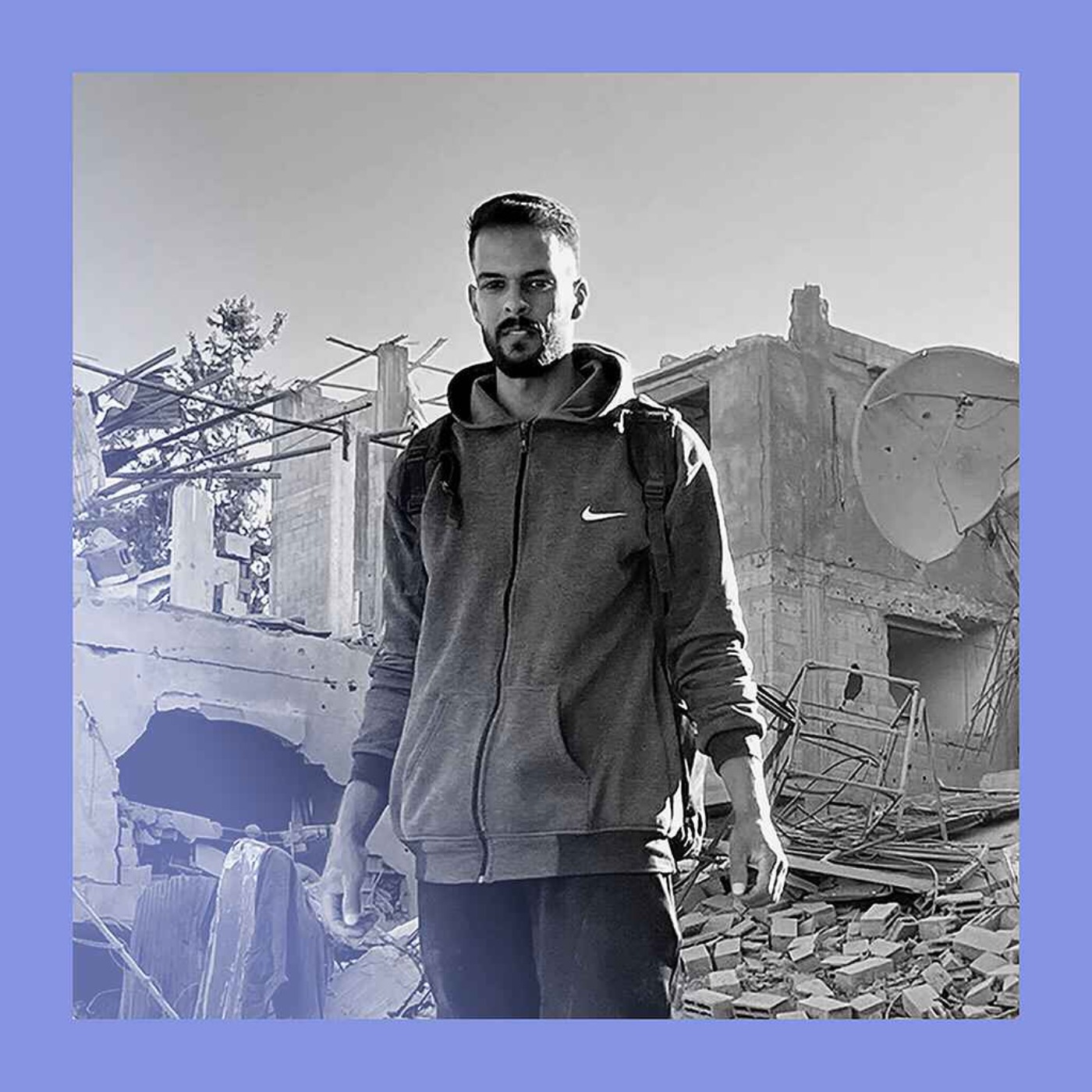
Despite a comprehensive Egyptian-led rebuilding plan, wealthy Gulf monarchies refuse to provide the necessary $55 billion. They will not invest funds that could be destroyed in a future conflict, making Hamas's disarmament a non-negotiable prerequisite for any major rebuilding effort to begin.
Current fiscal policies represent a massive wealth transfer from young to old. Framing national service as a direct, large-scale investment in youth counteracts this economic imbalance, shifting national priorities and resources back to the next generation, effectively fighting a 'generational war' through policy.
The opioid epidemic is fueled by a lack of things to do, as community hubs like theaters, parks, and libraries have disappeared. Rebuilding this 'social infrastructure' provides purpose and connection, acting as a powerful, non-clinical intervention against drug addiction.

National service offers a structured "gap year" for boys, whose emotional maturity often lags their development. It acts as a "societal take-two," providing a second chance to mature and find direction without immediate academic or career pressures, specifically addressing a cohort in crisis.
A program like Israel's mandatory service provides structure, teaches skills, fosters competence, and reduces discrimination through forced cooperation. It could disproportionately benefit young men who are often not ready for the unstructured environment of college at age 18.

A city's leader should operate like a CEO, optimizing for the entire municipality rather than specific factions. The primary goal should be creating economic prosperity and opportunities for all residents, from ages 18 to 90. This 'creation' mindset is more effective than political campaigns based on taking from one group to give to another.

Hope is not just a personal suspension of disbelief. It is a communal resource built from small, everyday interactions—like giving someone your full attention or witnessing kindness between strangers. These moments are 'hope in action' and create the foundation for pursuing larger, more challenging collective goals.
A key reason for past legislative success was that leaders shared a common identity forged in military service. Reinstating mandatory national service could create 'connective tissue' among diverse young people, fostering a unified identity as citizens first and foremost, before individual identity groups.

Even after a ceasefire, ordinary Gazans find the psychological toll of an unknown future more difficult than ongoing material hardships. The end of bombing does not bring immediate relief or hope, as fundamental questions about their lives, work, and homes remain unanswered, creating a burden greater than day-to-day scarcity.
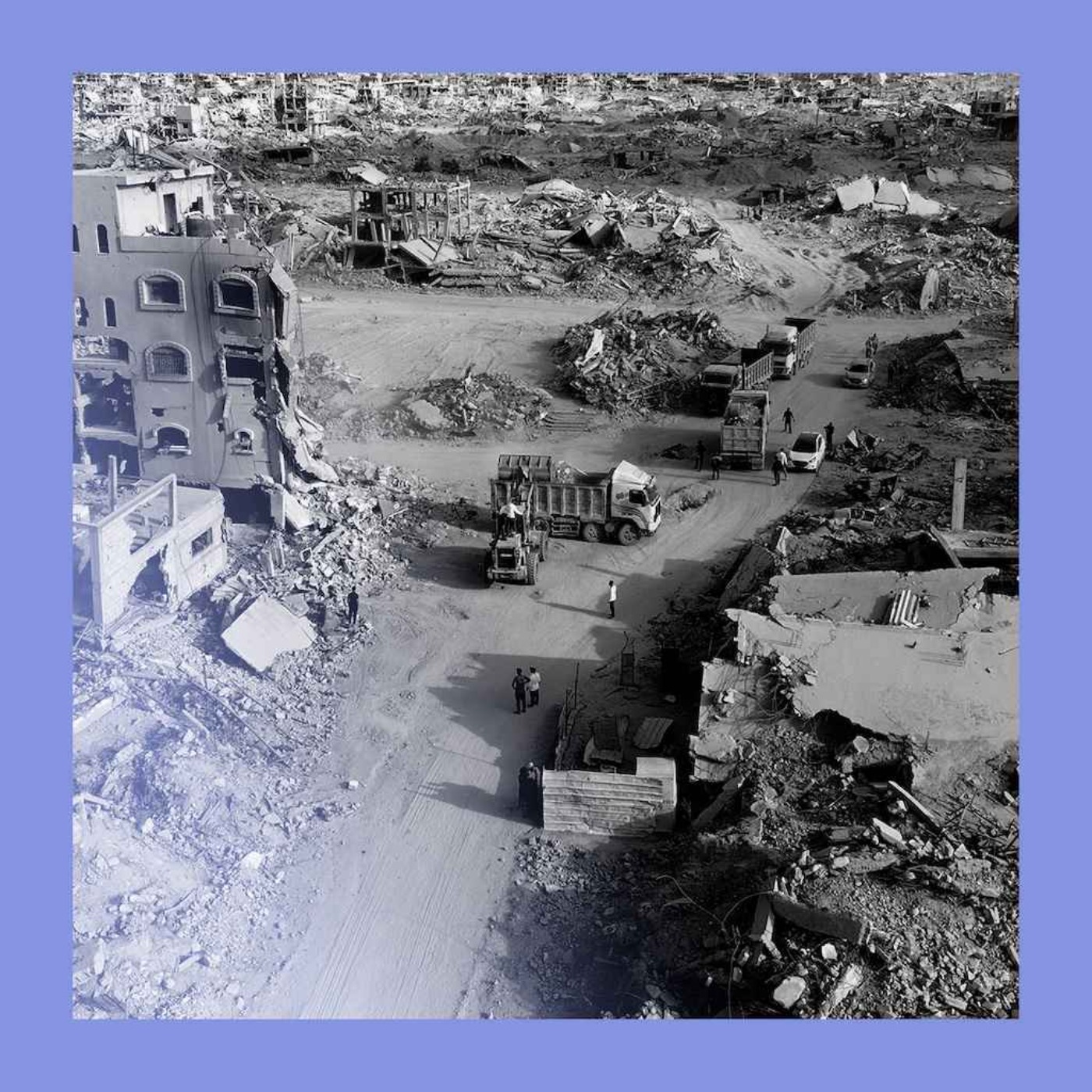
The primary obstacle to rebuilding Gaza isn't just funding but the logistics of clearing 55-60 million tons of debris. Engineers estimate this initial step alone could take over six years, far longer than the six months proposed in reconstruction plans, making immediate rebuilding impossible.