Get your free personalized podcast brief
We scan new podcasts and send you the top 5 insights daily.
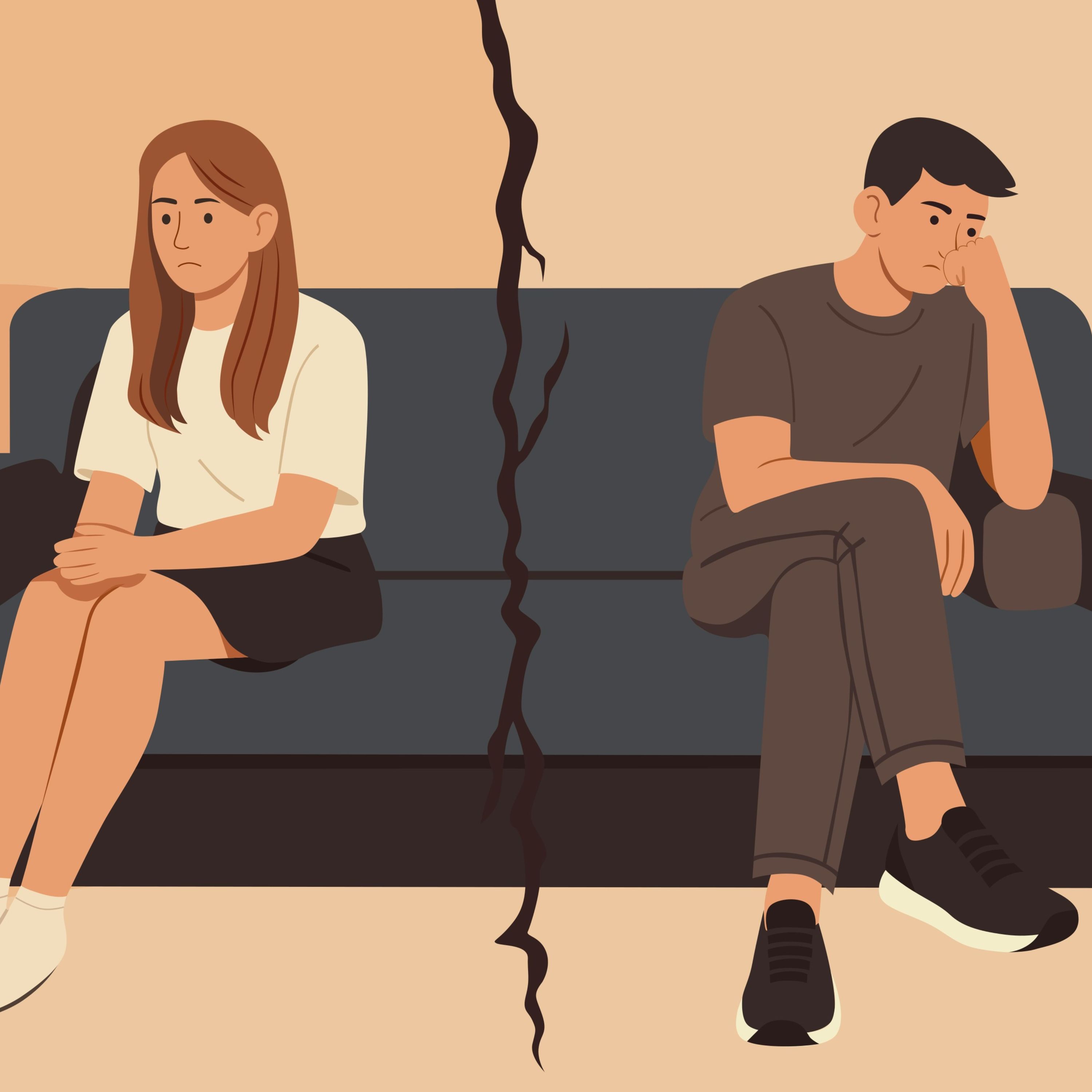
Psychologists can predict the severity of a person's depressive and anxious symptoms not by the content of their trauma, but by the form of their narrative. Recurring, stuck narratives, or what is called the "same old story," correlate with poorer mental health outcomes.
Related Insights
Trauma is not an objective property of an event but a subjective experience created by the relationship between a present situation and past memories. Because experience is a combination of sensory input and remembered past, changing the meaning or narrative of past events can change the experience of trauma itself.

Memory doesn't work like a linear filing system. It's stored in associative patterns based on themes and emotions. When one memory is activated, it can trigger a cascade of thematically connected memories, regardless of when they occurred, explaining why a current event can surface multiple similar past experiences.

Our nervous system is wired to gravitate towards familiar patterns, confusing them with safety. This is why people unconsciously recreate painful or traumatic childhood dynamics in adult relationships. It is a biological pull toward the known, not a conscious desire for pain, making it a cosmically unfair default setting.

When we hear stories of how ancestors overcame challenges, we internalize them as "vicarious memories." These are not just tales but mental models of resilience that act as a psychological buffer against our own adversity. This has been observed in studies of children post-9/11 and military veterans.

The strong cultural expectation in America to find a positive outcome from adversity (a "redemption story") can be harmful. This "master narrative" can pressure those experiencing trauma, like a severe illness, to invent a positive spin, leading to feelings of failure and isolation if they cannot.

An individual's capacity to endure mistreatment is paradoxically higher if that mistreatment is familiar from childhood. A person with a secure past would recognize it as wrong and leave, whereas someone repeating a pattern will stay and keep trying to "fix" it because the dynamic feels normal.
Negative self-talk is not just a fleeting thought; it's a destructive habit with physical consequences. According to UCLA neuroscience research, repetitive negative thinking actively strengthens the neural pathways for fear and anxiety, making it your brain's default response over time.

Psychologist Robin Fivush finds that the healthiest family sagas are "oscillating," incorporating both life's ups and downs. Unlike purely positive or negative narratives, this model provides a realistic framework of perseverance, teaching children that setbacks can be overcome and are a normal part of life.
The meaning of an event is not fixed but is shaped by its narrative framing. As both the author and protagonist of our life stories, we can change an experience's impact by altering its "chapter breaks." Ending a story at a low point creates a negative narrative, while extending it to include later growth creates a redemptive one.
The thoughts that cause suffering—like "they don't like me" or "things should be different"—are not original or personal. They are common, recycled narratives shared by all humans. Recognizing this universality helps to depersonalize and detach from them.
