Get your free personalized podcast brief
We scan new podcasts and send you the top 5 insights daily.
Our nervous system is wired to gravitate towards familiar patterns, confusing them with safety. This is why people unconsciously recreate painful or traumatic childhood dynamics in adult relationships. It is a biological pull toward the known, not a conscious desire for pain, making it a cosmically unfair default setting.

Related Insights
Trauma is not an objective property of an event but a subjective experience created by the relationship between a present situation and past memories. Because experience is a combination of sensory input and remembered past, changing the meaning or narrative of past events can change the experience of trauma itself.

Memory doesn't work like a linear filing system. It's stored in associative patterns based on themes and emotions. When one memory is activated, it can trigger a cascade of thematically connected memories, regardless of when they occurred, explaining why a current event can surface multiple similar past experiences.
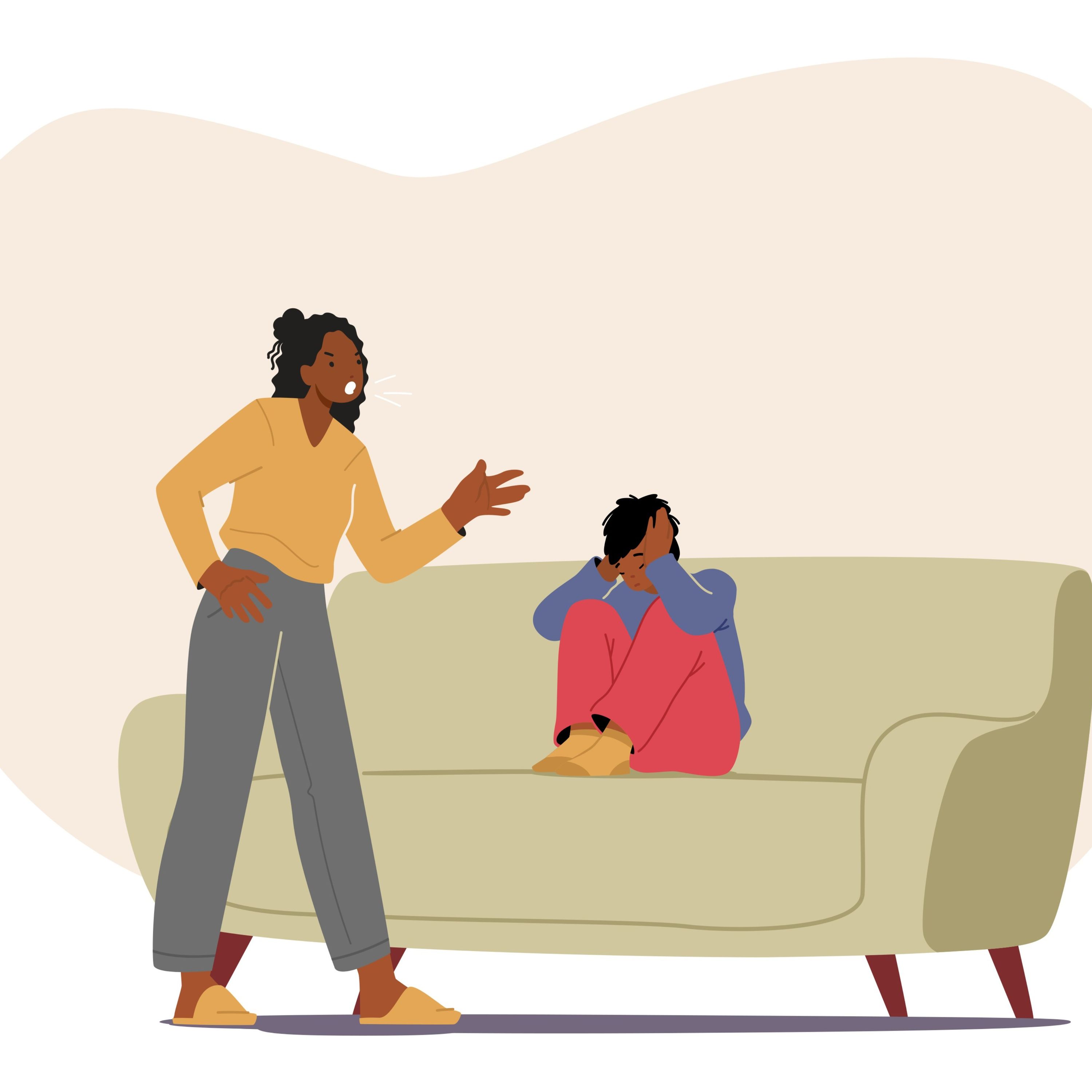
The neural systems evolved for physical survival—managing pain, fear, and strategic threats—are the same ones activated during modern stressors like workplace arguments or relationship conflicts. The challenges have changed from starvation to spreadsheets, but the underlying brain hardware hasn't.

Intense, chaotic, or euphoric feelings in a new relationship are often misinterpreted as deep "chemistry" or love. In reality, this intensity can be a sign that one's nervous system recognizes a familiar, and potentially unhealthy, dynamic from the past. True, safe intimacy is often calmer and less dramatic.
From a young age, we suppress our authentic selves (intuition) to maintain connection with caregivers. This creates a lifelong pattern of seeking external validation over internal knowing, leading us to distrust our gut feelings.

An individual's capacity to endure mistreatment is paradoxically higher if that mistreatment is familiar from childhood. A person with a secure past would recognize it as wrong and leave, whereas someone repeating a pattern will stay and keep trying to "fix" it because the dynamic feels normal.
When reacting to a negative experience, like having an absent parent, the tendency is to swing to the extreme opposite, like being an over-present parent. This overcorrection often creates a new set of problems instead of finding a healthy balance, perpetuating a cycle of dysfunction.

For someone accustomed to relational chaos, a genuinely safe and present partner can feel deeply uncomfortable. True safety requires vulnerability, which can trigger protective mechanisms in someone who has used intensity and workaholism to avoid their inner world. Calmness can feel foreign and threatening.
Life allows you to pursue the same flawed solutions repeatedly, not as punishment, but as a mechanism for learning. Getting what you desperately want can be the painful catalyst for realizing your pattern is the problem, not the specific person or situation.

To heal a relational wound, one must revisit the original feeling within a new, safe relationship. The healing occurs when this context provides a "disconfirming experience"—a different, positive outcome that meets the original unmet need and neurologically rewrites the pattern.