Get your free personalized podcast brief
We scan new podcasts and send you the top 5 insights daily.
The meaning of an event is not fixed but is shaped by its narrative framing. As both the author and protagonist of our life stories, we can change an experience's impact by altering its "chapter breaks." Ending a story at a low point creates a negative narrative, while extending it to include later growth creates a redemptive one.

Related Insights
Trauma is not an objective property of an event but a subjective experience created by the relationship between a present situation and past memories. Because experience is a combination of sensory input and remembered past, changing the meaning or narrative of past events can change the experience of trauma itself.

In his first murder trial, a terrified John Grisham nearly fled the courtroom. The subsequent, unexpected "not guilty" verdict provided such an enormous "thrill of that win" that it completely reframed the traumatic experience. This shows how a single, powerful positive outcome can overwrite a narrative of failure and fuel future ambition.

The "Earth School" model posits we volunteer for our life's curriculum via pre-incarnation "soul contracts." Instead of asking "Why me?" in a victimized tone, ask how a situation is perfectly designed for your growth. Even abusers are souls who volunteered for a difficult role.

Counteract the human tendency to focus on negativity by consciously treating positive events as abundant and interconnected ("plural") while framing negative events as isolated incidents ("singular"). This mental model helps block negative prophecies from taking hold.
Since the brain builds future predictions from past experiences, you can architect your future self by intentionally creating new experiences today. By exposing yourself to new ideas and practicing new skills, you create the seeds for future automatic predictions and behaviors, giving you agency over who you become.
Skincare founder Kate Somerville was taught to see her chaotic upbringing not as a weakness, but as a training ground that made her exceptionally good at navigating trouble. The adult self can leverage this skill while reassuring the scared inner child, turning past trauma into a present strength.

Psychologists can predict the severity of a person's depressive and anxious symptoms not by the content of their trauma, but by the form of their narrative. Recurring, stuck narratives, or what is called the "same old story," correlate with poorer mental health outcomes.
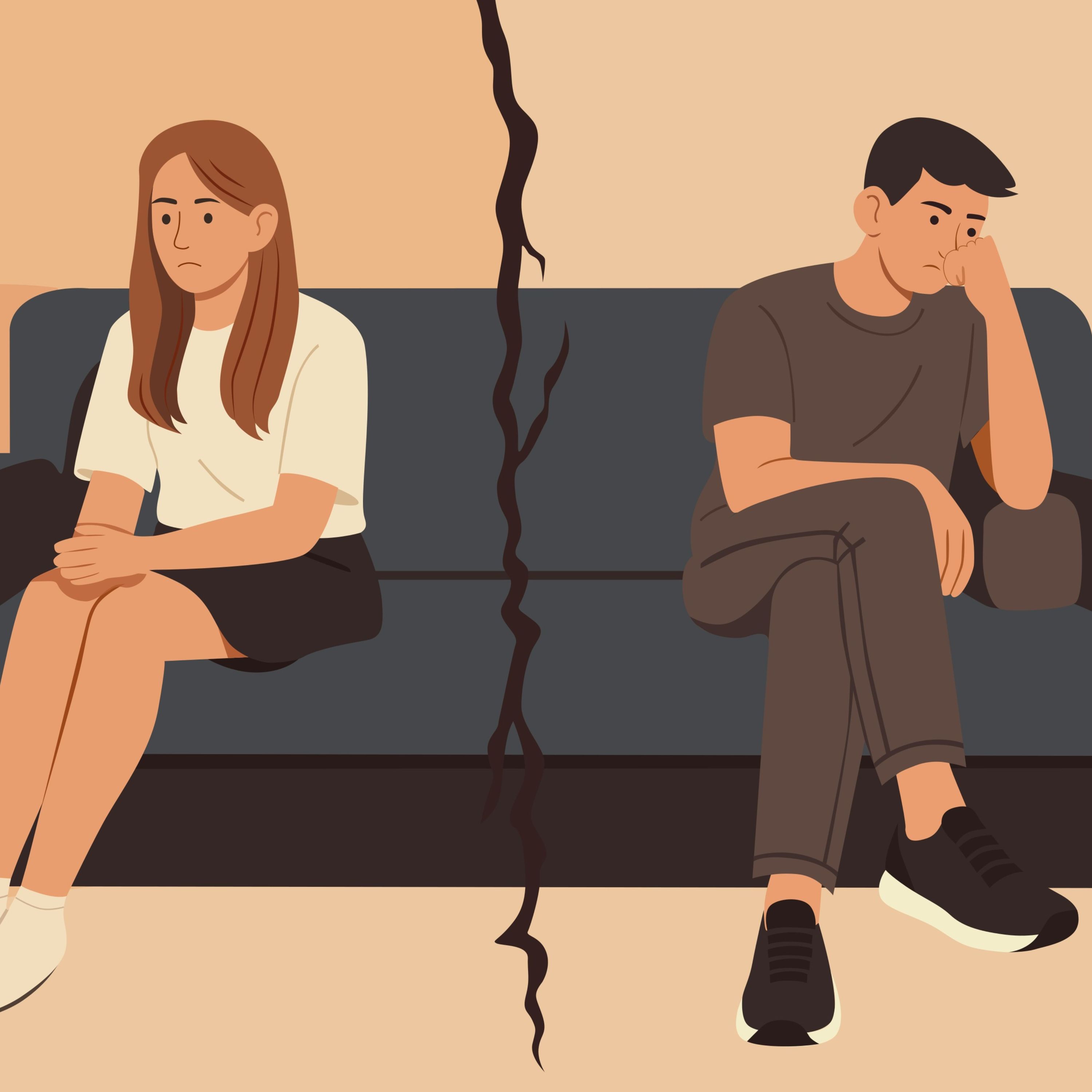
Psychologist Robin Fivush finds that the healthiest family sagas are "oscillating," incorporating both life's ups and downs. Unlike purely positive or negative narratives, this model provides a realistic framework of perseverance, teaching children that setbacks can be overcome and are a normal part of life.

After being scammed out of a significant sum, Kate Somerville coped by reframing the loss. She tells herself, "I hope it's feeding a family that really needs it." This mental shift turns a negative, victimizing event into a positive contribution, helping to release anger and move forward.
A growing trend in psychology suggests relabeling emotions like anger as “unpleasant” rather than “negative.” This linguistic shift helps separate the aversive sensation from the emotion's potential long-term benefits or consequences, acknowledging that many difficult feelings have upsides.