Get your free personalized podcast brief
We scan new podcasts and send you the top 5 insights daily.
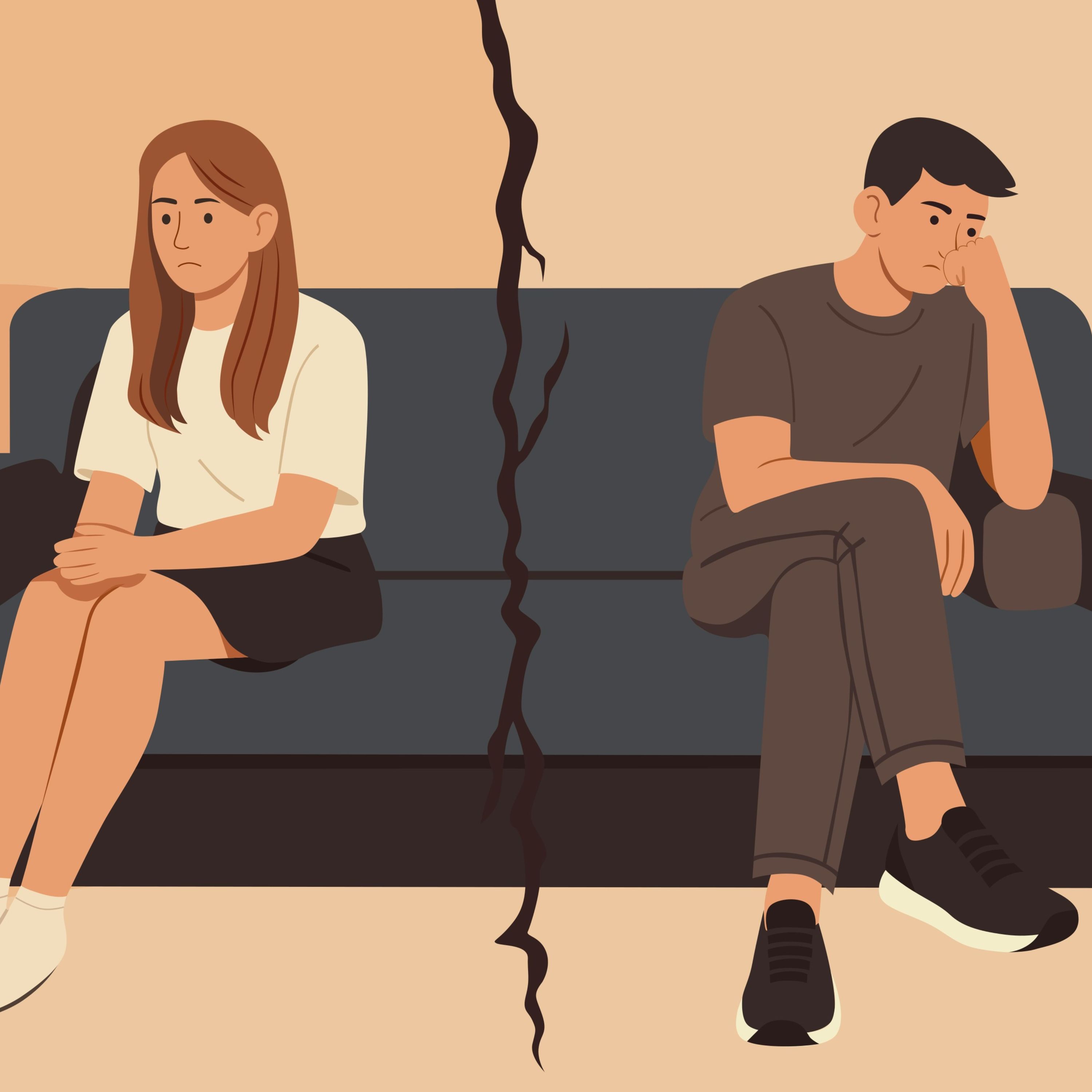
An individual's capacity to endure mistreatment is paradoxically higher if that mistreatment is familiar from childhood. A person with a secure past would recognize it as wrong and leave, whereas someone repeating a pattern will stay and keep trying to "fix" it because the dynamic feels normal.

Related Insights
Trauma is not an objective property of an event but a subjective experience created by the relationship between a present situation and past memories. Because experience is a combination of sensory input and remembered past, changing the meaning or narrative of past events can change the experience of trauma itself.

Our nervous system is wired to gravitate towards familiar patterns, confusing them with safety. This is why people unconsciously recreate painful or traumatic childhood dynamics in adult relationships. It is a biological pull toward the known, not a conscious desire for pain, making it a cosmically unfair default setting.
Psychologist James Cordova describes the "paradox of acceptance": the less you actively try to change your partner, the more willing they become to change. This requires genuine surrender, as feigning acceptance with the ulterior motive of instigating change is transparent and ineffective.

From a young age, we suppress our authentic selves (intuition) to maintain connection with caregivers. This creates a lifelong pattern of seeking external validation over internal knowing, leading us to distrust our gut feelings.

Overcoming trauma from a toxic relationship involves more than blaming the other person. A critical step is recognizing one's own role in enabling the mistreatment. This self-awareness, which speaker Patti Asai gained from an ayahuasca journey, is essential to breaking destructive patterns and preventing their recurrence.

People surrounding a so-called genius, like Picasso's friends or employees at cult-like startups, often tolerate terrible behavior. They rationalize the unpleasantness by telling themselves they are part of an extraordinary, history-making experience, which creates a toxic enabling environment.

When reacting to a negative experience, like having an absent parent, the tendency is to swing to the extreme opposite, like being an over-present parent. This overcorrection often creates a new set of problems instead of finding a healthy balance, perpetuating a cycle of dysfunction.

For someone accustomed to relational chaos, a genuinely safe and present partner can feel deeply uncomfortable. True safety requires vulnerability, which can trigger protective mechanisms in someone who has used intensity and workaholism to avoid their inner world. Calmness can feel foreign and threatening.
Psychologists can predict the severity of a person's depressive and anxious symptoms not by the content of their trauma, but by the form of their narrative. Recurring, stuck narratives, or what is called the "same old story," correlate with poorer mental health outcomes.
To heal a relational wound, one must revisit the original feeling within a new, safe relationship. The healing occurs when this context provides a "disconfirming experience"—a different, positive outcome that meets the original unmet need and neurologically rewrites the pattern.