Get your free personalized podcast brief
We scan new podcasts and send you the top 5 insights daily.
Memory doesn't work like a linear filing system. It's stored in associative patterns based on themes and emotions. When one memory is activated, it can trigger a cascade of thematically connected memories, regardless of when they occurred, explaining why a current event can surface multiple similar past experiences.
Related Insights
Our perception of sensing then reacting is an illusion. The brain constantly predicts the next moment based on past experiences, preparing actions before sensory information fully arrives. This predictive process is far more efficient than constantly reacting to the world from scratch, meaning we act first, then sense.

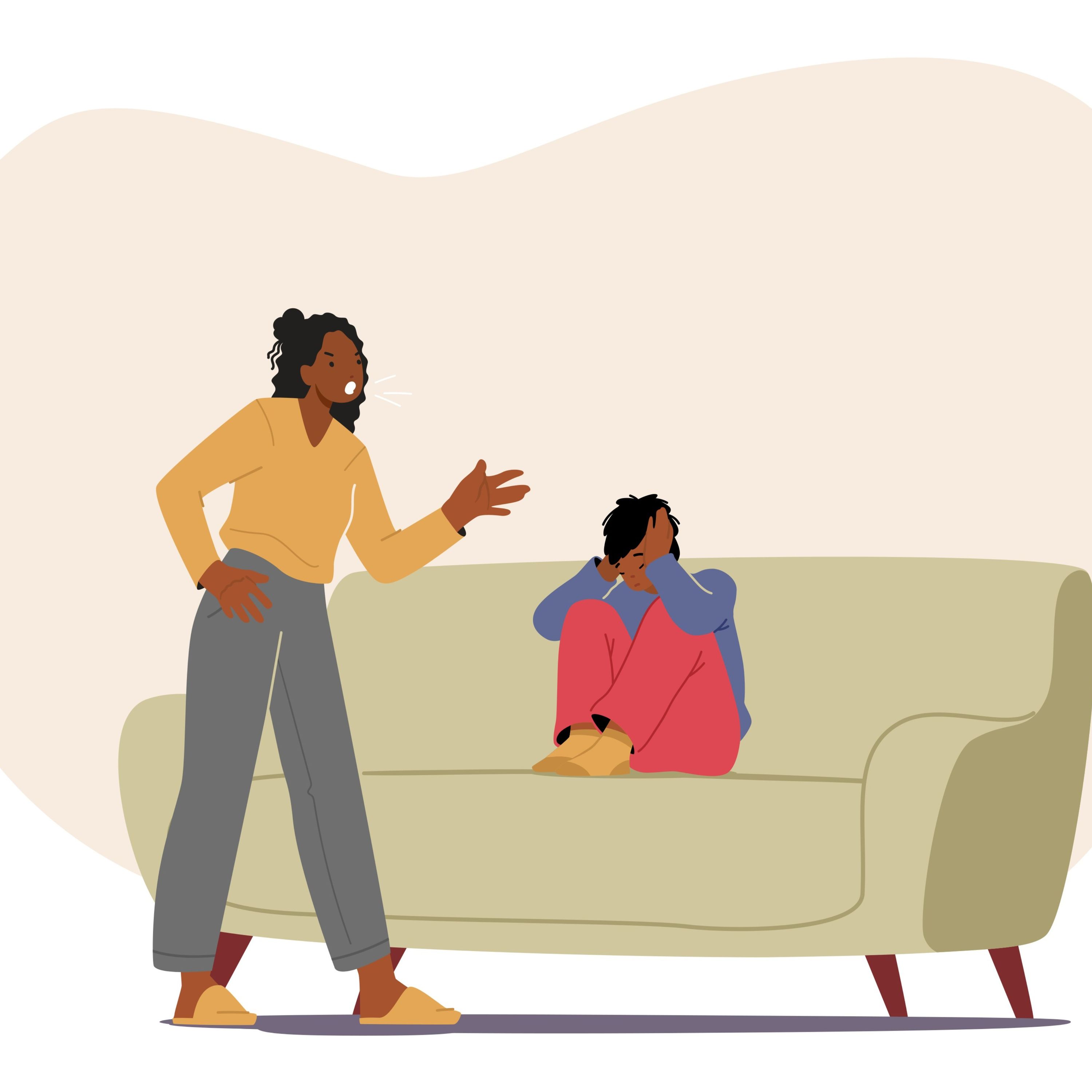
Trauma is not an objective property of an event but a subjective experience created by the relationship between a present situation and past memories. Because experience is a combination of sensory input and remembered past, changing the meaning or narrative of past events can change the experience of trauma itself.
Our nervous system is wired to gravitate towards familiar patterns, confusing them with safety. This is why people unconsciously recreate painful or traumatic childhood dynamics in adult relationships. It is a biological pull toward the known, not a conscious desire for pain, making it a cosmically unfair default setting.

Salient emotional events feel vivid and true, boosting our confidence in the memory. However, this confidence is often misleading. Each time we recall and "reconstruct" these memories, we create more opportunities for errors to creep in, making them factually less reliable than we believe.
The RAS in your brain acts as a filter, showing you information that aligns with your core beliefs. If you adopt the belief 'I am a lucky person,' your RAS will start pointing out opportunities that were always there but previously filtered out. This is the neuroscience behind 'creating your own luck.'

True empathy doesn't require having lived through the same event. It's the ability to connect with the underlying emotions—grief, fear, joy—that you have experienced. In fact, having the identical experience can sometimes lead to empathic failure because you assume their reaction must be the same as yours.

People watched the movie 'Contagion' during the pandemic rather than reading scientific papers because the human brain is wired to learn through first-person stories, not lists of facts. Narratives provide a simulated, experiential perspective that taps into ancient brain mechanisms, making the information more memorable, understandable, and emotionally resonant.
Technology doesn't change the brain's fundamental mechanism for memory. Instead, it acts as an external tool that allows us to strategically choose what to remember, freeing up limited attentional resources. We've simply offloaded rote memorization (like phone numbers) to focus our mental bandwidth elsewhere.
Psychologists can predict the severity of a person's depressive and anxious symptoms not by the content of their trauma, but by the form of their narrative. Recurring, stuck narratives, or what is called the "same old story," correlate with poorer mental health outcomes.
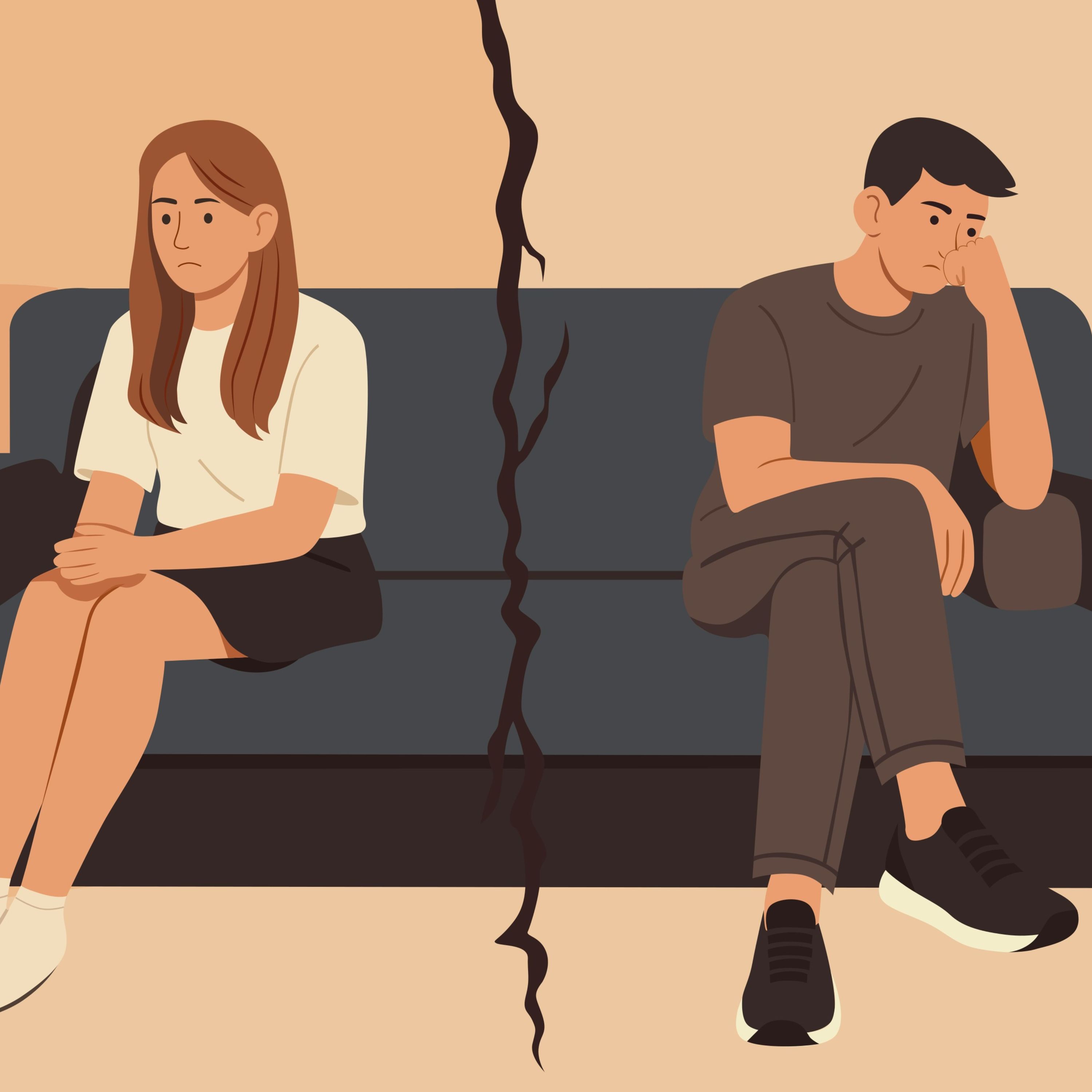
The meaning of an event is not fixed but is shaped by its narrative framing. As both the author and protagonist of our life stories, we can change an experience's impact by altering its "chapter breaks." Ending a story at a low point creates a negative narrative, while extending it to include later growth creates a redemptive one.