Get your free personalized podcast brief
We scan new podcasts and send you the top 5 insights daily.
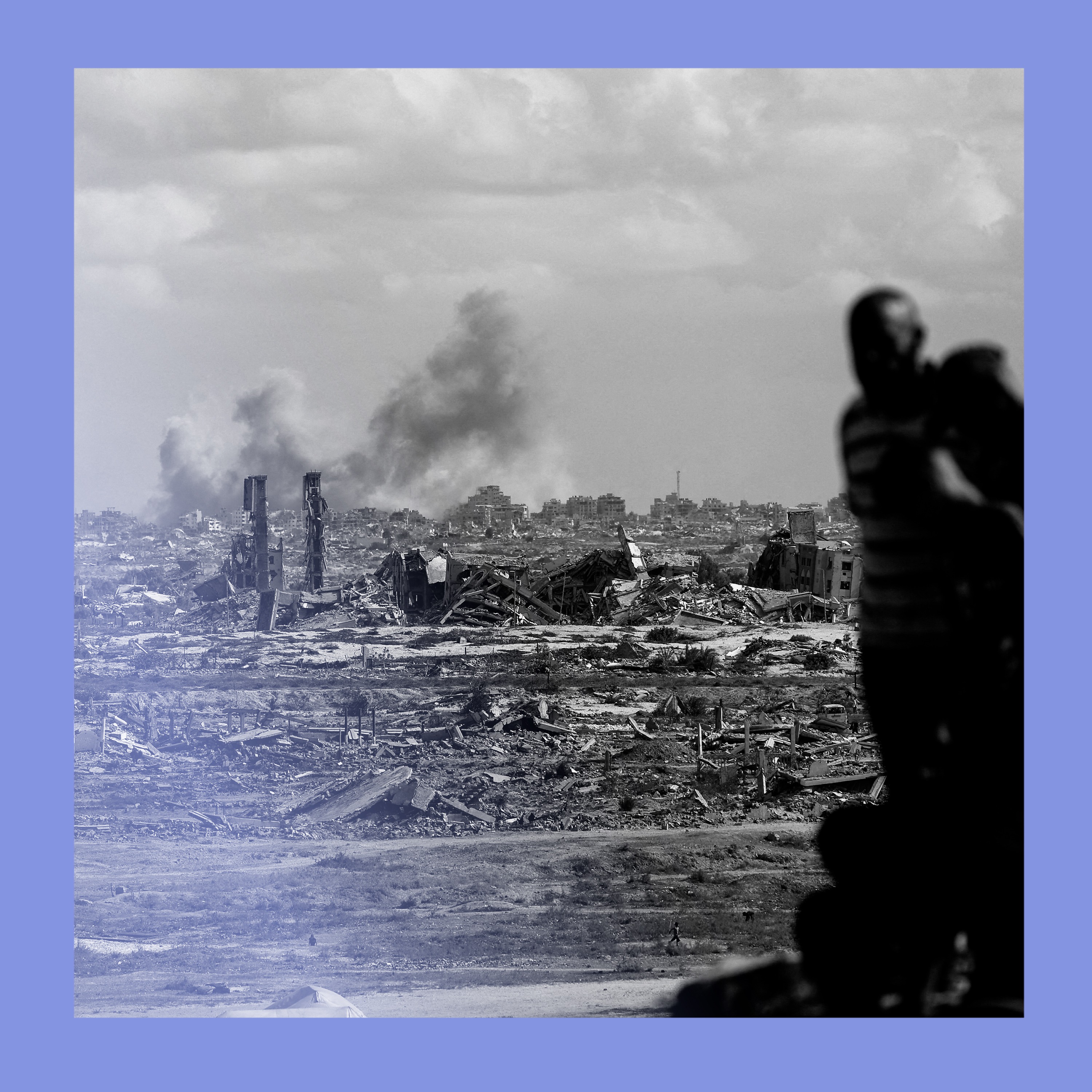
Former National Security Advisor Jake Sullivan argues that Israel's refusal to allow foreign journalists into Gaza is a significant problem. It prevents independent verification of claims from combatants on either side of the conflict, creating an information vacuum and setting back the cause of transparency.

Related Insights
The Israeli withdrawal from Gaza, without Hamas being disarmed or an international force in place, creates a space for violent clashes. Hamas, armed gangs, and powerful clans are already competing for control, illustrating a critical risk in phased peace plans where security is not transferred seamlessly.
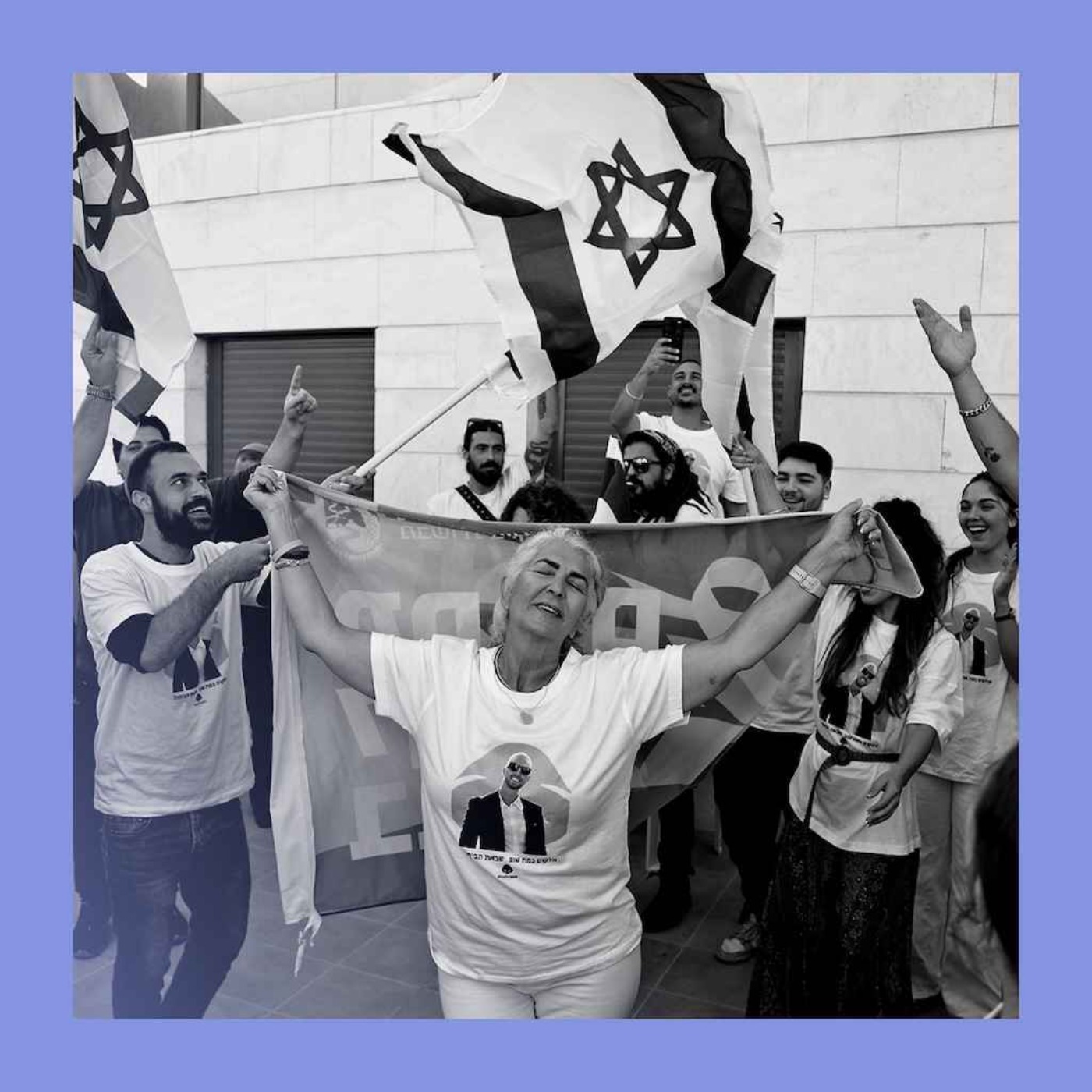
A core principle for maintaining journalistic integrity is to treat access as a liability ("poison") rather than an asset. By operating without a dependency on privileged information from powerful sources, a journalist can maintain an independent viewpoint. Paradoxically, this very independence often makes them more attractive to sources, thus increasing access over the long term.

For over 20 years, BBC correspondent Mark Tully became known as the "Voice of India" because he reported on events the Indian government suppressed. His broadcasts, translated into local languages, provided a crucial alternative source of information for millions, highlighting the role of foreign journalism in informing citizens under repressive regimes.
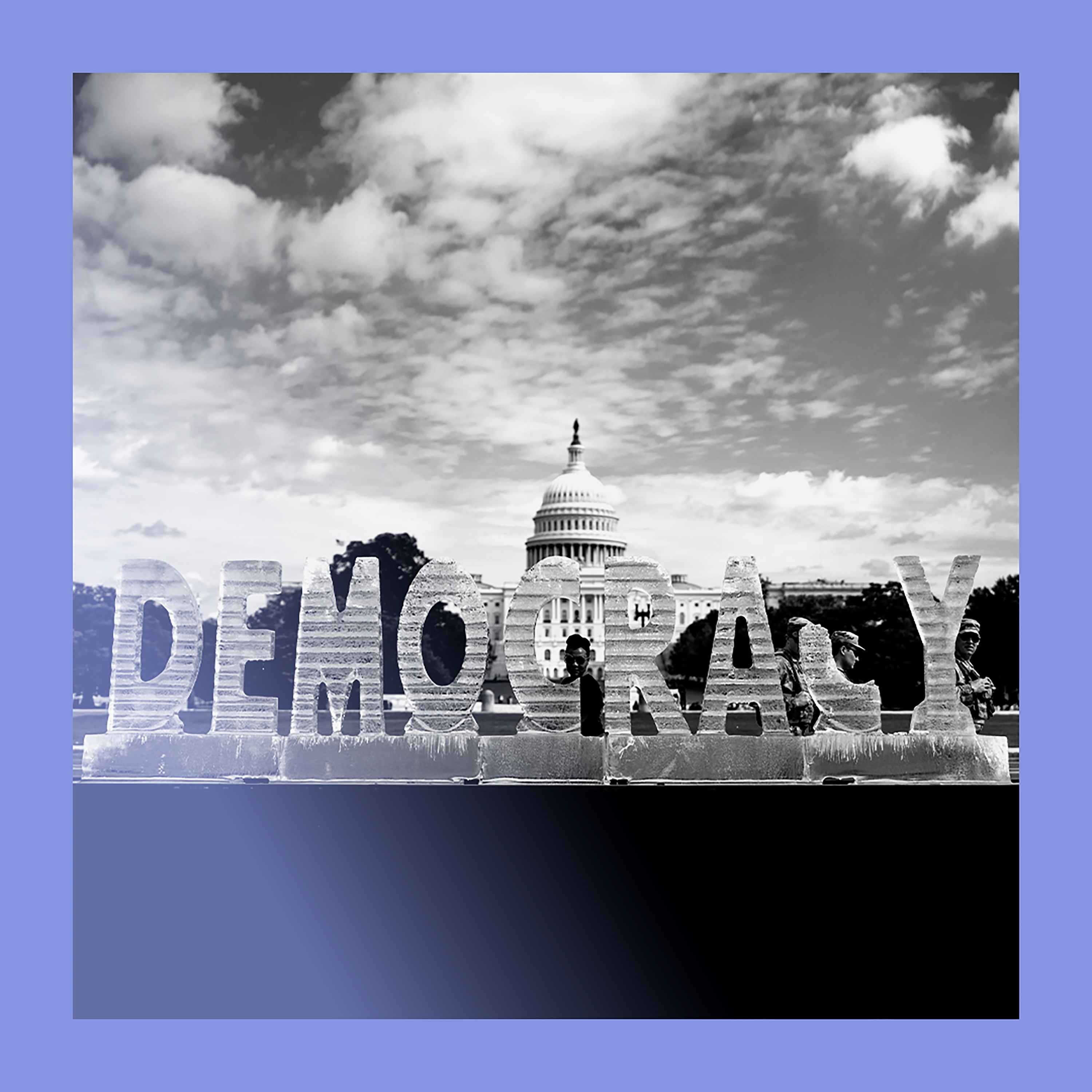
Former journalist Natalie Brunell reveals her investigative stories were sometimes killed to avoid upsetting influential people. This highlights a systemic bias that protects incumbents at the expense of public transparency, reinforcing the need for decentralized information sources.

Israel's traditional public relations approach, which defaults to demonstrating military strength and dismissing criticism, is becoming counterproductive. It fails to build alliances and win the global "PR battle," which is as crucial for long-term survival as military victory.
Even after a ceasefire, ordinary Gazans find the psychological toll of an unknown future more difficult than ongoing material hardships. The end of bombing does not bring immediate relief or hope, as fundamental questions about their lives, work, and homes remain unanswered, creating a burden greater than day-to-day scarcity.
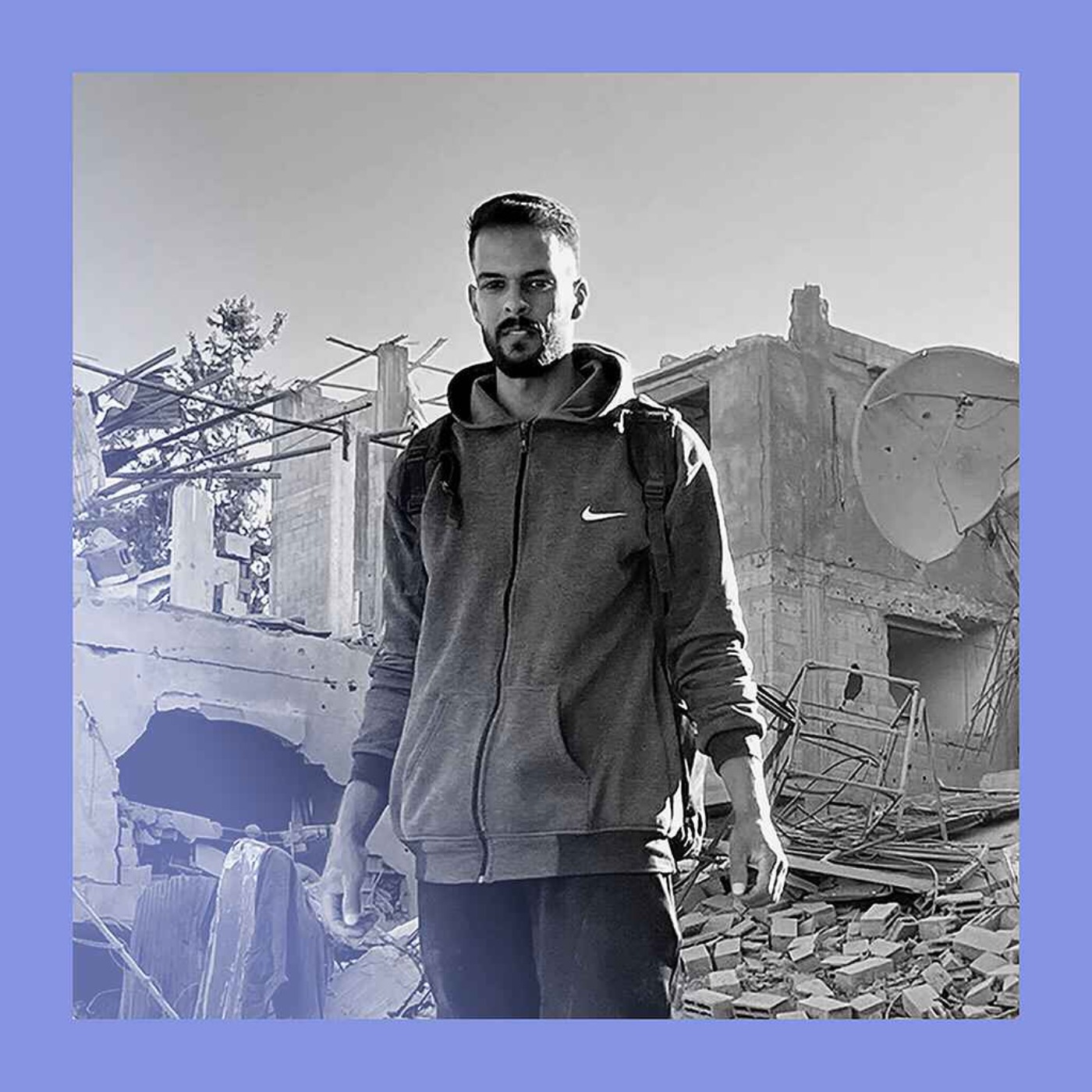
A botched Israeli airstrike in Qatar, a key US ally, was the true catalyst for renewed US peace efforts. The fear of the conflict spiraling out and drawing in other American allies—disrupting a broader Middle East agenda—prompted a decisive push for a resolution, more so than the ongoing tragedy in Gaza itself.
When a government cuts off internet and phone lines during massive protests, as seen in Iran, it's a clear indicator they are trying to conceal the severity of their response from the world. This tactic undermines their own claims of control and reveals a deep fear of international scrutiny.

Viewing the conflict as two rational sides in a misunderstanding is flawed. Both sides see the other as an existential threat and are willing to use extreme violence to achieve their goals. This reframes the narrative from a political dispute to a primal, violent tribal conflict where both sides see themselves as righteous.

Contrary to conventional wisdom, trading favorable coverage for access to powerful sources is no longer the best way to get a story. In the modern media landscape with diverse information channels, reporters find more impactful and truthful stories by maintaining independence and refusing to play the access game.
