While reducing evictions helps current tenants, it creates an unintended consequence: landlords become more cautious when selecting new ones. Knowing it's harder to remove a problematic tenant, landlords increase screening scrutiny, which can lead to discriminatory practices against applicants perceived as higher risk, making it harder for newcomers to find housing.
New York City's most effective tool for reducing evictions wasn't new rental laws, but guaranteeing lawyers for poor tenants. This rebalanced a major power asymmetry (from 1% of tenants having lawyers to near-parity), enabling them to use existing rights and simultaneously deterring landlords from filing weak or frivolous cases in the first place.
In a closed society like North Korea, low-tech information warfare can be highly effective. For defector Kim Soong-min, simple paper leaflets detailing South Korea's prosperity were more impactful than digital campaigns could ever be. They directly contradicted state propaganda and planted the critical seeds of doubt that led to his escape.
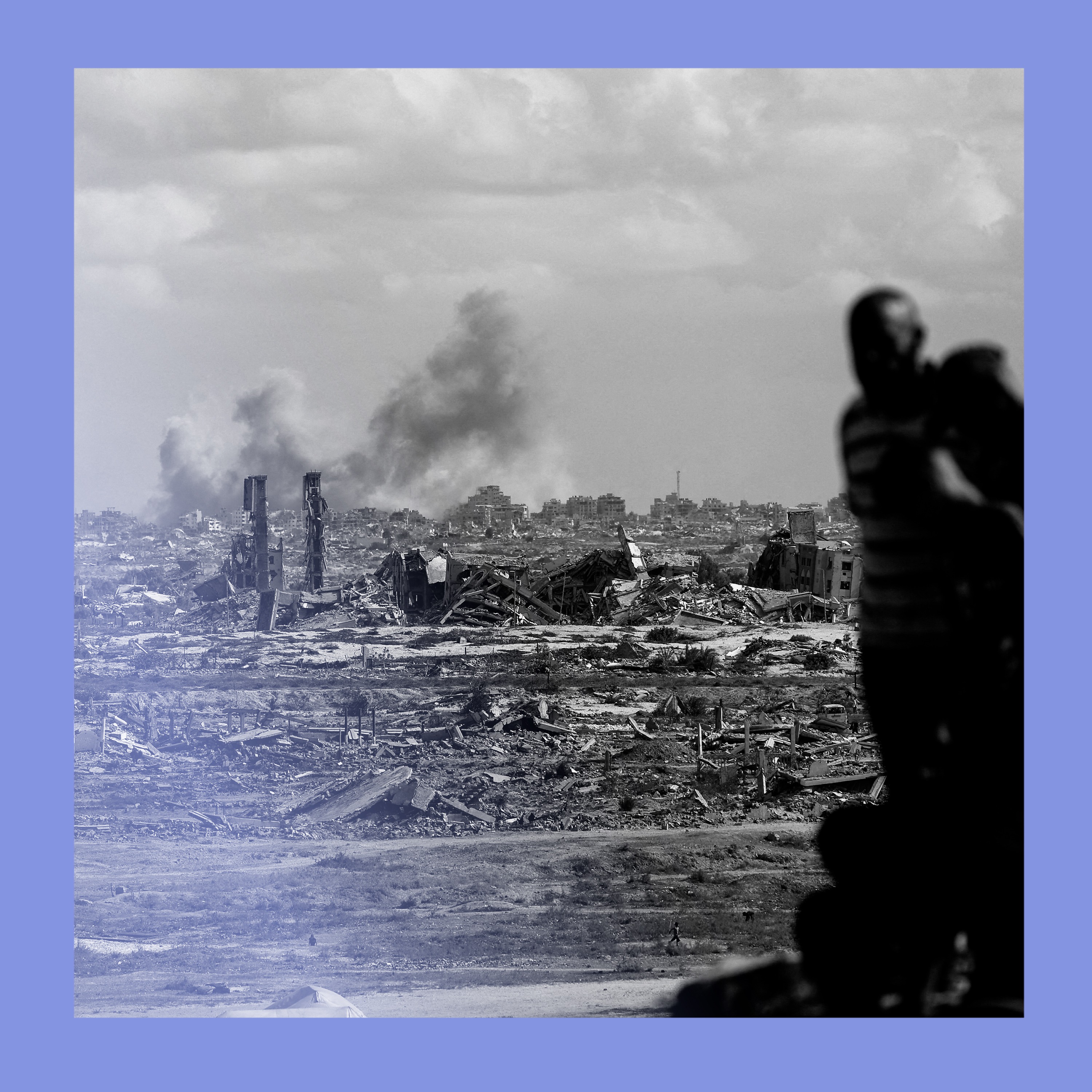
A botched Israeli airstrike in Qatar, a key US ally, was the true catalyst for renewed US peace efforts. The fear of the conflict spiraling out and drawing in other American allies—disrupting a broader Middle East agenda—prompted a decisive push for a resolution, more so than the ongoing tragedy in Gaza itself.
Instead of bridging conflicting narratives, Donald Trump broke a negotiation impasse by unilaterally declaring Hamas's ambiguous response a success. By imposing a new narrative that "everybody wants peace," he preempted objections and forced both sides to proceed, demonstrating how a powerful actor can create momentum by defining reality.