Get your free personalized podcast brief
We scan new podcasts and send you the top 5 insights daily.
When a government cuts off internet and phone lines during massive protests, as seen in Iran, it's a clear indicator they are trying to conceal the severity of their response from the world. This tactic undermines their own claims of control and reveals a deep fear of international scrutiny.

Related Insights
When officials deny events clearly captured on video, it breaks public trust more severely than standard political spin. This direct contradiction of visible reality unlocks an intense level of citizen anger that feels like a personal, deliberate gaslighting attempt.

A destabilized Iranian regime is more dangerous, not less. Israeli intelligence fears Tehran might launch a strike on a foreign enemy like Israel to distract its populace, create a "rally 'round the flag" effect, and restore military pride after recent setbacks.

A former CIA operative suggests that government secrecy is frequently a tool to hide administrative incompetence, premature announcements, or procedural errors, rather than to cover up nefarious, large-scale conspiracies. This perspective reframes public distrust from calculated malice to bureaucratic failure.
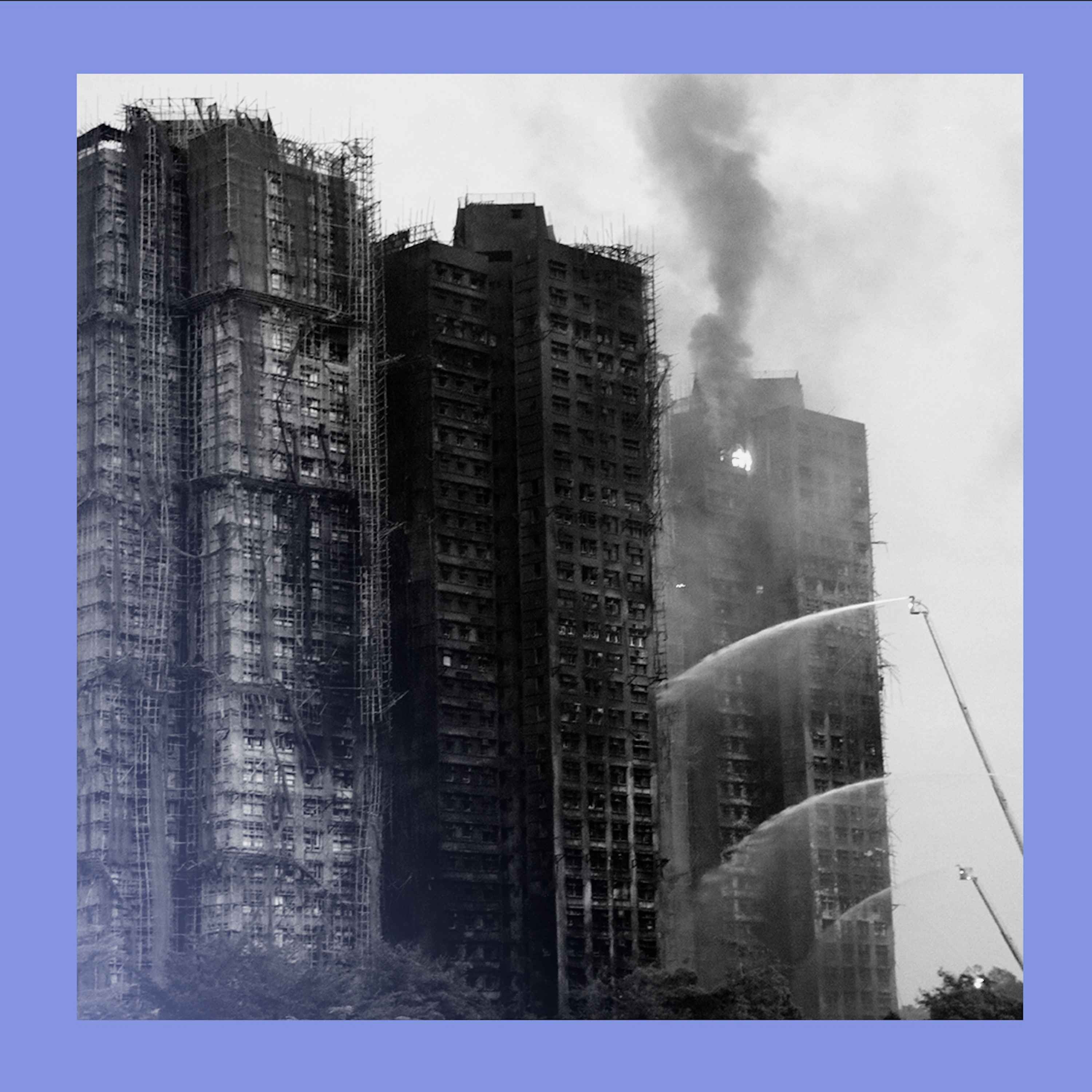
After initial violent crackdowns backfired by inflaming crowds, the Georgian government adopted a strategy of covert repression. It now uses the legal system—banning face coverings, imposing huge fines, and making targeted arrests—to methodically dismantle the year-long protest movement without the international backlash caused by overt street violence.
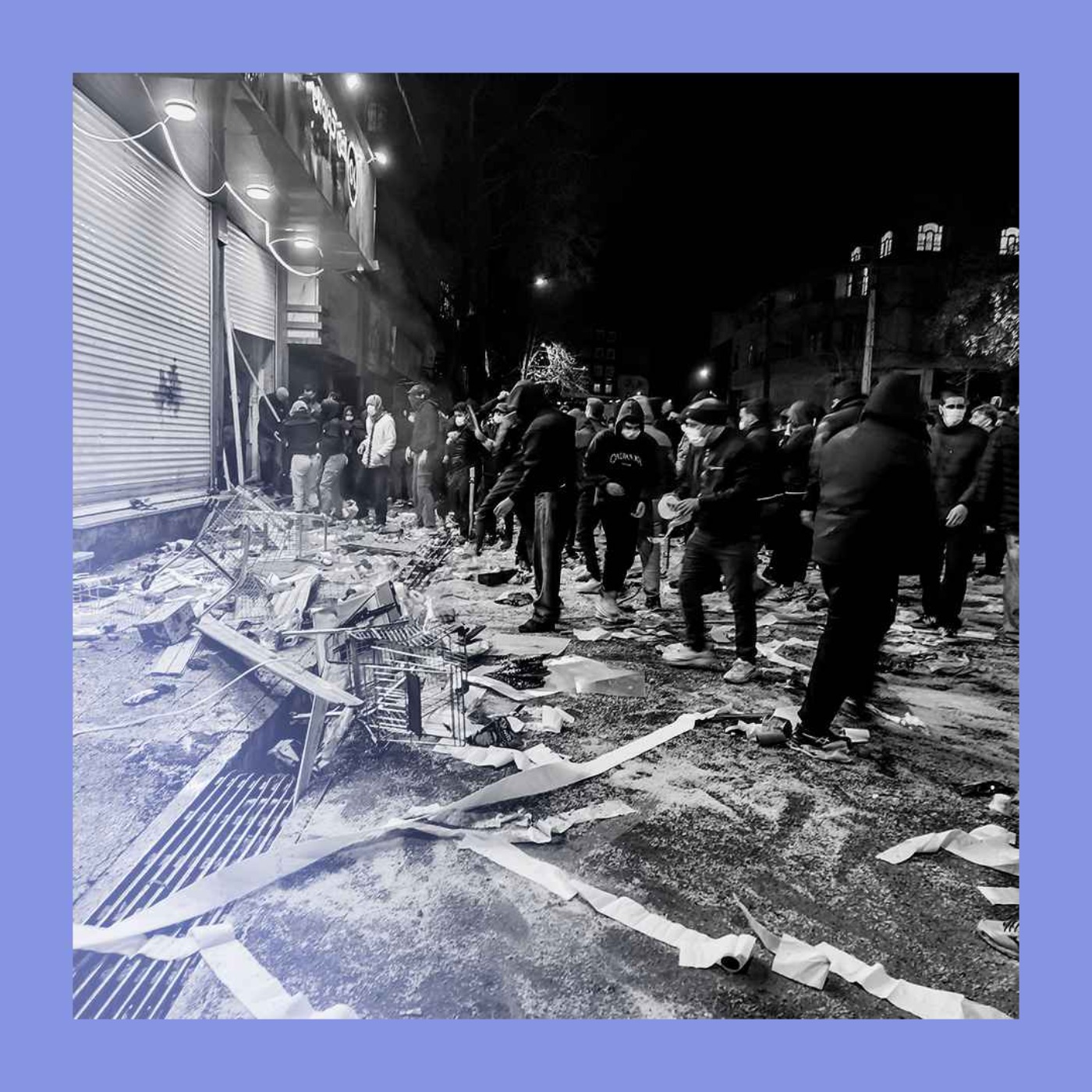
Rather than surgical strikes, which have a poor historical track record, the most effective foreign support for Iranian protesters is restoring their internet connectivity. The regime kills in the dark; offensive cyber operations that tear down its 'digital iron wall' directly empower citizens and expose atrocities.

The progression of protest slogans from demanding a vote recount in 2009 ('Where is my vote?') to calling for regime overthrow today ('Death to the supreme leader') indicates a fundamental change. Protestors no longer seek to work within the existing system but aim to dismantle it entirely.

The current Iranian protests are uniquely potent because the regime is at its weakest geopolitically. The loss of regional proxies like Hezbollah and Hamas, coupled with key ally Russia's preoccupation with Ukraine, has left the Iranian government more isolated and vulnerable than during any previous wave of unrest.
The rise of peer-to-peer communication and transparency is dissolving the credibility of centralized institutions (governments, media). These institutions can no longer maintain a facade of perfection as their flaws are constantly exposed, leading to a crisis of authority in society.

Unlike the 2022 protests led by middle-class women over social freedoms, the current unrest is driven by jobless young men—a traditionally pro-regime group—angry about economic collapse. This shift in demographics and motivation makes the government's usual appeasement tactics less effective.
Unlike nascent revolutionary states that rally against foreign attacks, late-stage dictatorships are weakened by military defeats. Iran's recent humiliations by Israel and the US have exposed incompetence and eroded the public's perception of strength, fueling protests and accelerating the regime's demise.