Get your free personalized podcast brief
We scan new podcasts and send you the top 5 insights daily.
For over 20 years, BBC correspondent Mark Tully became known as the "Voice of India" because he reported on events the Indian government suppressed. His broadcasts, translated into local languages, provided a crucial alternative source of information for millions, highlighting the role of foreign journalism in informing citizens under repressive regimes.
Related Insights
The Kyiv Independent serves a crucial, indirect role by acting as a reliable primary source for other international media reporting on Ukraine. This B2B-like function of being a "bullshit filter" against disinformation not only fulfills its mission but also builds institutional trust and brand authority on a global scale.

A core principle for maintaining journalistic integrity is to treat access as a liability ("poison") rather than an asset. By operating without a dependency on privileged information from powerful sources, a journalist can maintain an independent viewpoint. Paradoxically, this very independence often makes them more attractive to sources, thus increasing access over the long term.

Authoritarian regimes rely on 'big lies' to control the narrative. The modern counter is the camera phone, which allows citizens to create many small, verifiable records from multiple angles. This flood of 'little truths' can dissolve or push back against state-sponsored propaganda.

The primary challenge for journalism today isn't its own decline, but the audience's evolution. People now consume media from many sources, often knowingly biased ones, piecing together their own version of reality. They've shifted from being passive information recipients to active curators of their own truth.

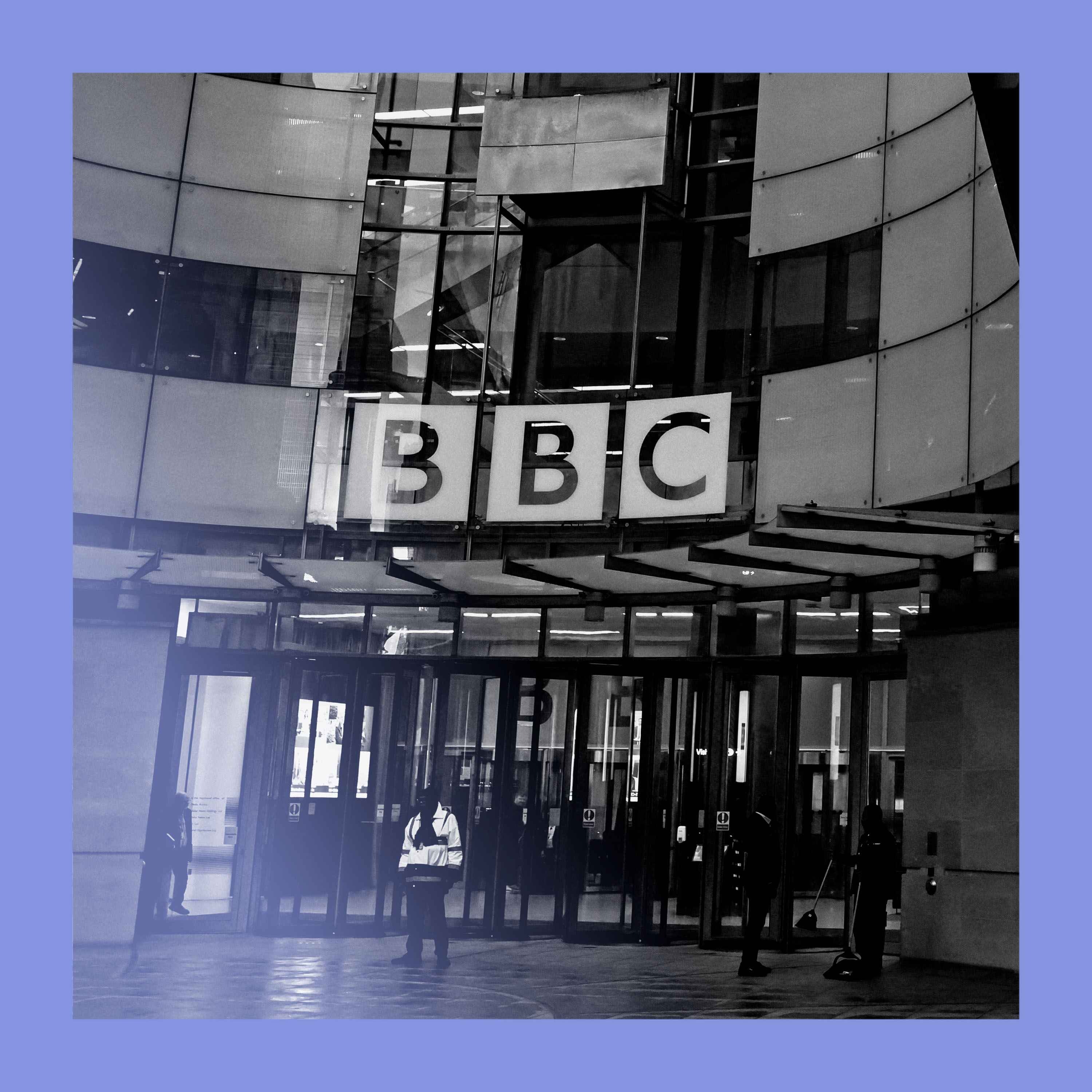
A controversy over biased editing, amplified by Donald Trump, damages the BBC's key advantage in the US market: its perceived neutrality. Being publicly attacked by a US president erodes its "above the fray" positioning, recasting it as just another player in America's domestic political battles.
Former journalist Natalie Brunell reveals her investigative stories were sometimes killed to avoid upsetting influential people. This highlights a systemic bias that protects incumbents at the expense of public transparency, reinforcing the need for decentralized information sources.

The proliferation of cell phone cameras has fundamentally changed activism. By capturing events from multiple angles, citizens create an irrefutable public record that counters official disinformation and makes the phrase "We see you" a powerful tool for accountability.

When a government cuts off internet and phone lines during massive protests, as seen in Iran, it's a clear indicator they are trying to conceal the severity of their response from the world. This tactic undermines their own claims of control and reveals a deep fear of international scrutiny.

When faced with sustained political attacks and threats, a media organization may strategically shift from cautious appeasement to aggressive, adversarial journalism. This pivot reflects a calculation that defending journalistic integrity is a better brand and survival strategy than attempting to placate a hostile political actor.
Contrary to conventional wisdom, trading favorable coverage for access to powerful sources is no longer the best way to get a story. In the modern media landscape with diverse information channels, reporters find more impactful and truthful stories by maintaining independence and refusing to play the access game.
