Get your free personalized podcast brief
We scan new podcasts and send you the top 5 insights daily.
Narrative strategist Lulu Cheng argues that after a decade of downplaying aesthetics, investing in beauty is a key strategy again. Just as attractive people are perceived more favorably, companies with beautiful products, websites, and experiences are seen as more competent and trustworthy.

Related Insights
To truly change a brand's narrative, marketing's 'talking the talk' is insufficient. The product experience itself must embody the desired story. This 'walking the walk' through the product is the most powerful way to shape core brand perception and make the narrative shareable.

Unilever uses its SASSY framework (Science, Aesthetics, Sensorials, Said-by-others, Young-spirited) to create desirability. This model systematically elevates brands from functional "needs" to emotional "I have to have that" wants, applicable even to everyday products.

In a crowded digital space, products and marketing with a unique, even polarizing, visual style are more likely to capture attention and be memorable than those following standard design trends. Daring to be different visually can be a powerful competitive advantage.

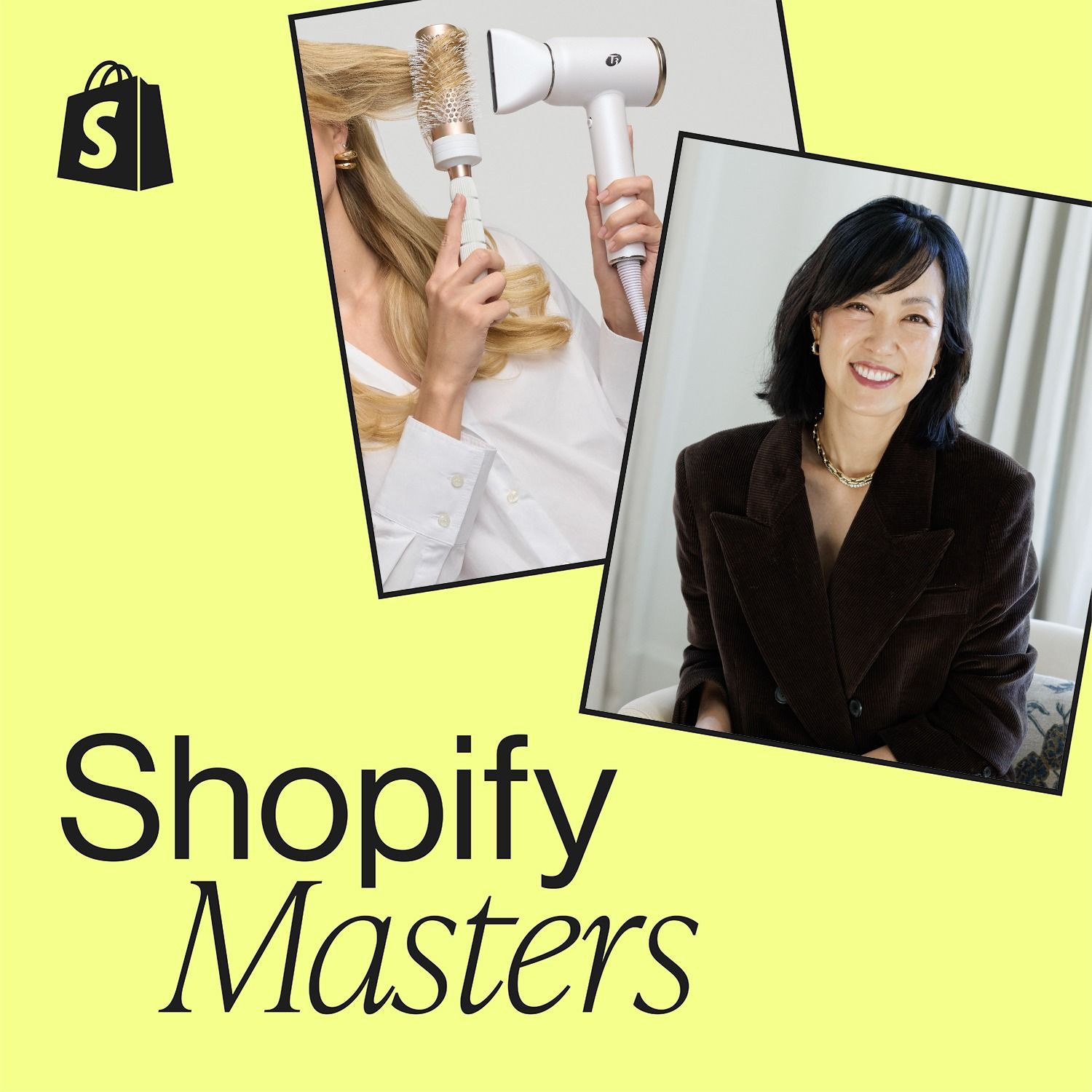
T3's founder knew a beautiful product would attract female consumers, comparing it to buying a laptop simply because it was pink. However, she stresses that aesthetic appeal is not enough for long-term success. If the beautifully designed product didn't deliver superior performance and results, the brand wouldn't have survived for 20 years.
The abstract, subjective term 'beauty' often incites disagreement. More useful and agreeable words are 'interesting' (the opposite of boring), 'charming' (playful and considerate), and 'meaningful' (contextually relevant). This provides a better framework for design and critique.

The company's design leadership is pushing back against justifying design solely through business metrics, arguing it signals a lack of confidence in craft. They foster a culture where the primary measure of success is the team's own high bar for taste, trusting this will ultimately drive long-term value.

In a crowded market, brand is defined by the product experience, not marketing campaigns. Every interaction must evoke the intended brand feeling (e.g., "lovable"). This transforms brand into a core product responsibility and creates a powerful, defensible moat that activates word-of-mouth and differentiates you from competitors.

Most companies complete the first 80% of brand work (logo, colors, tagline). Truly great brands are defined by the last 20%: obsessively aligning every detail, from employee headphones to event swag, with the core identity. This final polish is what customers actually notice and remember.

Narrative strategist Lulu Cheng predicts the focus for brands will shift from flashy, one-off stunts (like cinematic launch videos) to sustained, high-quality work. She compares it to building fitness: consistent gym sessions are more effective than a single, extreme fast.
David Aaker reframes social purpose not just as philanthropy but as a strategic tool to inject energy into low-interest product categories. He cites Dove's "Real Beauty" campaign, which attached the brand to an energizing social program and grew the business from $2.6B to $6.5B as a result.